
Attain Facial Balance
with Precision Jaw Surgery
Discover the benefits of a harmonious, well-proportioned face with jaw surgery—an innovative procedure designed to correct jaw misalignments and irregularities. Celebrated for its capability to significantly enhance dentofacial aesthetics, this sophisticated surgery addresses both functional and aesthetic issues, promoting improved health and appearance. Whether your goal is to correct a bite problem, relieve discomfort, or achieve enhanced facial symmetry, orthognathic surgery is a proven and effective solution to help you reach these objectives.
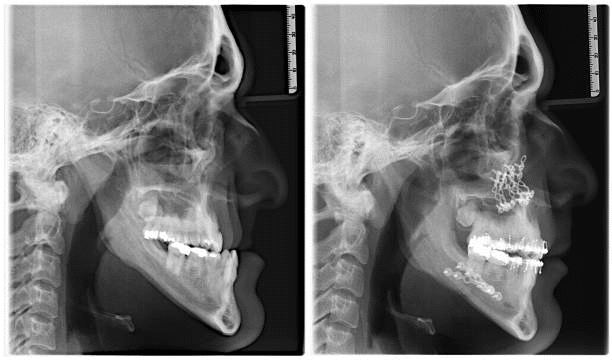
What Is Jaw Surgery?
Jaw surgery (orthognathic surgery) is a surgical procedure that corrects skeletal misalignments of the upper jaw, lower jaw or chin to improve bite function, breathing and facial proportions.
Jaw surgery addresses problems that braces or clear aligners alone cannot fix. When the bones of the jaw are misaligned and not just the teeth then, surgical repositioning is needed. The term “orthognathic” comes from the Greek words for “straight jaw.” This reflects the core goal of the procedure: to bring the jaws into proper alignment so the teeth, muscles and joints work together as they should.
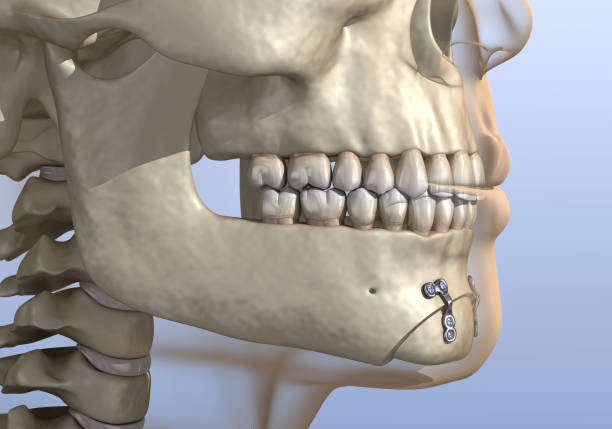
In Singapore, jaw surgery is typically carried out under general anaesthesia at a hospital. The procedure involves making incisions inside the mouth, repositioning the jawbone and securing it with titanium plates and screws. Because the incisions are made internally, there are no visible scars on the face. The titanium hardware does not need to be removed and will not trigger metal detectors.
Related Services: 👉 Clear Aligners | About Dr Alfred Cheng
📞 Want to understand if jaw surgery is right for you? Book a Consultation
When Is Orthognathic Surgery Necessary?
Consider consulting your orthodontist about orthognathic surgery if you experience any of the following issues:
- Protruded or Receded Chin: A chin that juts out too far or is set too far back.
- Open Bite or Crossbite: Misalignment of the teeth where they do not meet properly.
- Facial Asymmetry: Uneven facial features, particularly noticeable in the jaw area.
- Long or Short Lower Jaw: Discrepancies in the length of the lower jaw compared to the upper jaw.
- Overall Elongation of the Face: Excessive vertical growth of the face.
- Obstructive Sleep Apnoea: Breathing issues during sleep caused by jaw positioning.


Types of Jaw Surgery Explained
Understanding the different types of jaw surgery helps patients know what to expect. The type recommended depends on which jaw is affected and the nature of the misalignment.
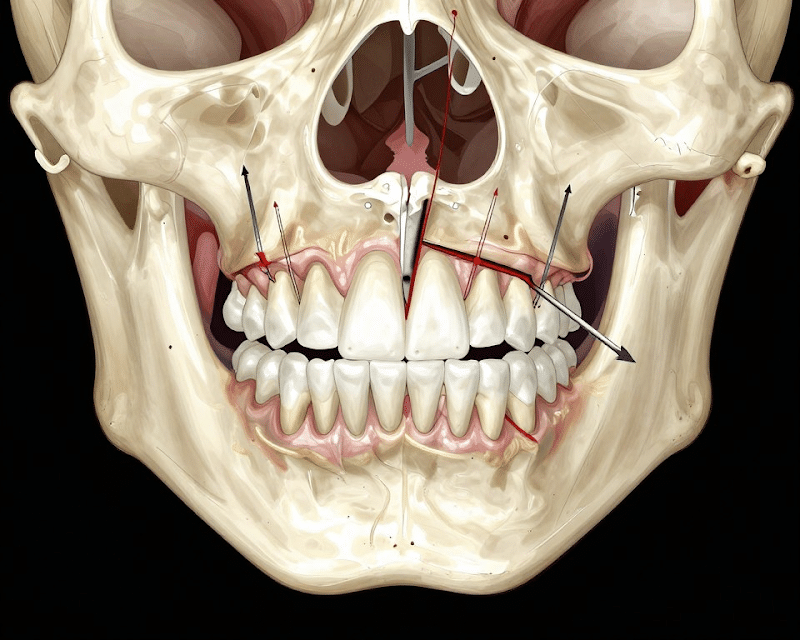
Upper Jaw Surgery (Maxillary Osteotomy)
Upper jaw surgery repositions the maxilla when it protrudes too far, sits too far back or has grown unevenly. The surgeon makes cuts above the teeth, moves the jaw into the planned position and secures it with titanium plates and screws. This type of jaw surgery treats open bites, crossbites and certain overbites.
Lower Jaw Surgery (Mandibular Osteotomy)
Lower jaw surgery corrects a mandible that extends too far forward or too far back. The surgeon makes incisions behind the molars, repositions the lower jaw and fixes it with surgical hardware. This is one of the most common types of jaw surgery in Singapore and is frequently performed for underbite surgery or correcting a lower jaw that protrudes beyond the upper jaw.
Underbite surgery is particularly common among younger adults and teens in Singapore. When the lower jaw grows disproportionately, it creates a noticeable underbite that affects both function and appearance. Correcting this through orthognathic surgery restores proper bite alignment and facial balance.
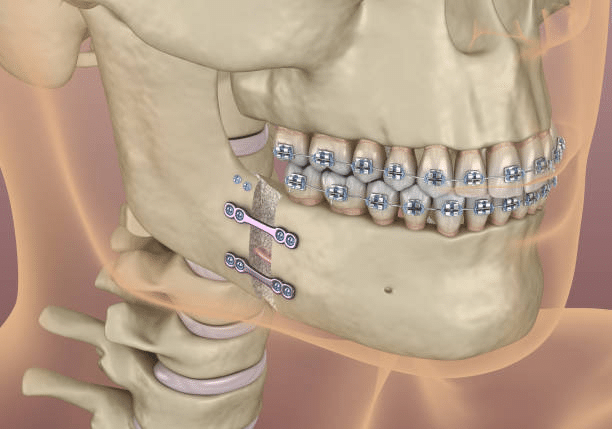
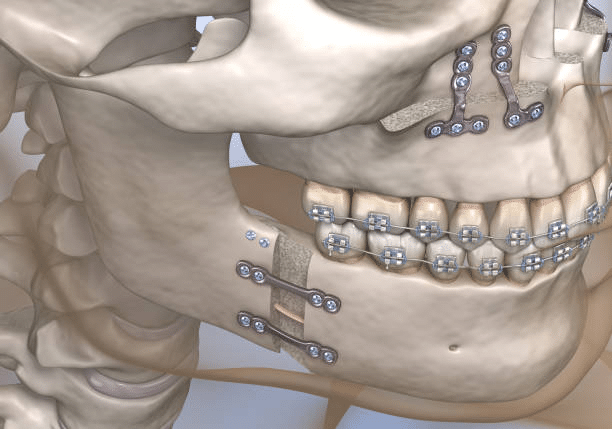
Double Jaw Surgery (Bimaxillary Osteotomy)
Double jaw surgery repositions both the upper and lower jaws during a single operation. It is the most complex type of orthognathic surgery and is recommended when both jaws contribute to the misalignment. Double jaw surgery is also used to treat obstructive sleep apnoea by advancing both jaws forward to open the airway.
According to the University of Utah Health, double jaw surgery addresses the most severe skeletal discrepancies and delivers significant improvements in both function and facial proportions. In Singapore, double jaw surgery typically requires a hospital stay of two to four days.
Genioplasty (Chin Surgery)
Genioplasty reshapes or repositions the chin bone to improve facial proportions. It is often performed alongside lower jaw surgery or double jaw surgery for a more balanced result. This procedure addresses a receding chin, a protruding chin or chin asymmetry.
Comparison of Jaw Surgery Types
Surgery Type | Area Treated | Common Conditions | Typical Duration |
Maxillary Osteotomy | Upper jaw | Open bite, crossbite, overbite | 1 to 2 hours |
Mandibular Osteotomy | Lower jaw | Underbite, receding jaw | 1 to 2 hours |
Bimaxillary Osteotomy | Both jaws | Complex misalignment, sleep apnoea | 2 to 4 hours |
Genioplasty | Chin | Chin asymmetry, receding chin | 1 to 1.5 hours |
Related Services: 👉 Damon Braces | Braces for Students and Teens
From Our Blog: 📖 Top 5 Benefits of Ceramic Braces in Singapore | Damon Braces Singapore: Complete Guide
📞 Find out which type of jaw surgery is suitable for your case. Get a Professional Assessment

Types of Jaw Surgery Explained
Jaw surgery provides life-changing benefits that extend far beyond appearance. Patients experience significant improvements in oral health, daily function, and overall quality of life. The combination of functional corrections and enhanced facial appearance contributes to better physical health and increased confidence.
Functional Health Benefits
The primary goal of orthognathic surgery is to correct functional problems that affect your daily life. These improvements often have profound impacts on overall health and wellbeing.
1. Improved Chewing and Eating
Proper jaw alignment allows teeth to meet correctly, making it easier to bite and chew food effectively. Patients can eat a wider variety of foods without pain or difficulty. The improved bite reduces excessive wear on teeth and decreases the risk of tooth damage from abnormal forces.
2. Enhanced Speech Clarity
Corrected jaw position improves tongue placement and mouth closure, resulting in clearer speech. Certain sounds that were previously difficult to pronounce become easier to articulate. Patients often notice improved confidence in social and professional communication.
3. Better Breathing and Sleep
Jaw surgery can significantly enlarge the airway, reducing or eliminating sleep apnoea symptoms. Improved breathing during sleep leads to better rest quality and increased daytime energy. Many patients can reduce or discontinue CPAP machine use after surgery.
4. Reduced Pain and Discomfort
Chronic jaw pain, headaches, and TMJ disorder symptoms often improve dramatically after corrective jaw surgery. Proper alignment reduces abnormal stress on jaw joints and muscles. Patients experience less facial fatigue and tension throughout the day.
5. Decreased Tooth Wear
Aligned jaws distribute biting forces evenly across all teeth, preventing premature wear and damage. This protection extends the lifespan of natural teeth and reduces the need for extensive dental work. Proper bite alignment also improves the effectiveness of oral hygiene practices.
6. Improved Oral Health
Correct jaw position makes teeth easier to clean, reducing the risk of cavities and gum disease. Proper alignment eliminates areas where food particles and bacteria accumulate. Better oral hygiene contributes to overall health and reduces inflammation throughout the body.
Aesthetic and Psychological Benefits
The improvements in facial appearance following jaw surgery contribute significantly to psychological wellbeing and self-confidence. These changes often transform how patients interact socially and professionally.
✅ Improved facial symmetry creates a more balanced and harmonious appearance
✅ Enhanced facial profile through proper jaw positioning and proportion
✅ More defined jawline and chin projection improving facial contours
✅ Reduction or elimination of gummy smile showing excessive gum tissue
✅ Better lip support allowing comfortable lip closure without strain
✅ Increased self-confidence in social interactions and public speaking
✅ Improved quality of life through enhanced appearance and function
✅ Greater satisfaction with photographs and self-image
✅ Reduced social anxiety related to facial appearance concerns
✅ Better professional opportunities due to increased confidence
Important Note: 📌 Orthognathic surgery is not a cosmetic procedure. It addresses functional issues that impact daily life. The improvements in appearance are a positive outcome of restoring proper jaw alignment. According to SingHealth, the lasting reward of orthognathic surgery is a healthier and more comfortable quality of life
Long-Term Health Outcomes
Research demonstrates that corrective jaw surgery provides lasting benefits that improve with time. The stability of surgical results means improvements in function and appearance continue throughout your life.
Studies Show Positive Long-Term Results
Research published in the Journal of Oral and Maxillofacial Surgery found that a significant majority of patients reported satisfaction with their jaw surgery results five years after treatment. Patient satisfaction remained high across all measured areas including chewing function, facial appearance and overall quality of life.
A separate clinical study tracking patients for ten years post-surgery found that functional improvements remained stable in most cases over the follow-up period. Bite alignment, speech clarity and breathing improvements showed minimal regression over time.
Long-term health benefits observed in research include reduced risk of tooth loss due to excessive wear, decreased incidence of TMJ disorders requiring further treatment, and improved sleep quality in patients who previously had airway obstruction.
Sources: Journal of Oral and Maxillofacial Surgery; International Journal of Oral and Maxillofacial Surgery


Why Choose Jaw Surgery at Our Clinic?
Jaw surgery is not just about improving your appearance; it’s a comprehensive solution for various dental and skeletal discrepancies that affect your quality of life. Here’s why opting for orthognathic surgery at Alfred Cheng Orthodontic Clinic is a wise choice:
- Enhanced Symmetry: Achieve better facial balance and harmony.
- Boosted Confidence: Enjoy a significant boost in self-esteem and overall confidence.
- Reliable Results: With decades of proven effectiveness, jaw surgery offers reliable outcomes for a wide range of dental and facial concerns.
- Comprehensive Care: Our clinic provides personalized care plans tailored to your unique needs, ensuring optimal results and a smooth recovery process
Who Is a Good Candidate for Jaw Surgery in Singapore?
Jaw surgery in Singapore is recommended for patients whose jaw misalignment is too severe for braces or aligners alone. Good candidates typically include:
✅ Patients whose jaws have finished growing (usually 16 to 18 years of age for females and 18 to 21 for males)
✅ Individuals with a confirmed skeletal discrepancy based on clinical and radiographic assessment
✅ Patients whose bite has not improved after orthodontic treatment
✅ Those experiencing functional problems such as difficulty chewing, breathing issues or chronic jaw pain
✅Patients with facial asymmetry, a protruding chin or a receding jaw that affects daily life
For younger patients, early orthodontic evaluation is important. An orthodontist can monitor jaw growth over time and determine the right moment to begin treatment planning.
Key considerations for parents and younger patients:
✅ Parents considering braces for their children should discuss the long-term treatment pathway with their orthodontist.
✅ Early interceptive orthodontics may reduce the complexity of future jaw surgery.
✅ In some growing patients, special orthodontic appliances can modify bone growth and potentially eliminate the need for surgery altogether.
✅ Once the jaw bones have stopped growing, a combined approach of braces and jaw surgery becomes the appropriate course of treatment.
✅ Patients with certain medical conditions, such as uncontrolled diabetes or blood-clotting disorders, may need additional medical clearance before proceeding with jaw surgery in S
Features of Jaw Surgery
Precision Alignment
effectively corrects misalignments and irregularities of the jaw
Comprehensive Correction
addresses a wide range of orthodontic issues
Improved Functionality
for better chewing, speaking, and breathing functions
Aesthetic Enhancement
enhances facial symmetry and overall appearance
Customizable Treatment Plans
personalized care and optimal outcomes
Minimally Invasive Techniques
reduces the risk of visible scarring and promotes faster recovery.
Your Jaw Surgery Treatment Path
Starting your jaw surgery journey with us guarantees a well-organized and supportive experience. Here’s what you can expect:
- Consultation: During your initial consultation, we will assess your dental and skeletal structure, discuss your goals, and develop a comprehensive treatment plan.
- Customization: Using precise diagnostics, we will create a personalized surgical plan that addresses your specific needs.
- Surgery: Performed by our expert surgeons, the procedure will correct the identified issues, enhancing both function and aesthetics.
- Recovery: Post-surgery, we provide detailed guidance and support to ensure a smooth and effective recovery.
- Completion: At the end of your journey, you will enjoy a balanced, functional, and aesthetically pleasing jaw.
Tailored Treatment Plans with Jaw Surgery
At our clinic, every treatment plan is uniquely designed to meet the specific needs of each patient. Recognizing that no two smiles are the same, we use cutting-edge diagnostic tools to tailor personalized treatment strategies. This individualized approach ensures optimal outcomes for patients undergoing jaw surgery, setting the foundation for excellent long-term dental health and enhanced dentofacial aesthetics.
Frequently Asked Questions
Orthognathic surgery, also known as corrective jaw surgery, is a procedure designed to correct skeletal and dental discrepancies, such as misalignments of the jaw bones. It is often recommended for individuals who have significant jaw irregularities that cannot be corrected with orthodontic treatment alone. These discrepancies can cause functional issues like difficulty chewing, speaking, or breathing, as well as aesthetic concerns such as facial asymmetry. By realigning the jaws, orthognathic surgery improves both the function and appearance of the jaw and teeth. It is typically performed by an oral and maxillofacial surgeon in conjunction with orthodontic treatment.
You may need jaw surgery if you experience problems such as a protruded or receded chin, open bite, crossbite, facial asymmetry, or a significantly long or short lower jaw. Other indicators include overall elongation of the face or obstructive sleep apnea due to jaw positioning. A comprehensive evaluation by an orthodontist and an oral and maxillofacial surgeon can help determine if orthognathic surgery is the right solution for your condition. Diagnostic tools such as X-rays, dental impressions, and facial analysis are used to assess your specific needs. Your orthodontist will also consider your overall health and specific jaw structure to recommend the best treatment plan.
The jaw surgery treatment process begins with a detailed consultation and assessment by an orthodontist and an oral and maxillofacial surgeon. Initially, orthodontic treatment with braces is used to align the teeth in preparation for surgery. The surgery itself involves repositioning the jawbones under general anesthesia, typically through incisions made inside the mouth to avoid visible scarring. Post-surgery, a hospital stay of a few days may be required, followed by a recovery period involving a liquid or soft diet and limited physical activity. After the initial recovery, further orthodontic treatment is needed to fine-tune the alignment of the teeth and ensure a stable bite.
Recovery time for orthognathic surgery varies depending on the complexity of the procedure and the individual patient’s healing process. Most patients can expect to stay in the hospital for a few days immediately following surgery. A significant portion of the initial recovery, including swelling and discomfort, typically subsides within two to three weeks. However, complete healing and the final adjustment of the jaw can take several months. During this period, patients must follow specific dietary guidelines, avoid strenuous activities, and attend regular follow-up appointments with their surgeon and orthodontist to monitor progress and ensure proper healing.
As with any surgical procedure, orthognathic surgery carries certain risks. Common risks include pain, swelling, bleeding, and infection. There is also a risk of nerve damage, which can result in temporary or, in rare cases, permanent numbness in the lips, chin, or tongue. Other potential complications include issues with bite alignment and jaw function that may require additional treatment. It’s important to discuss all potential risks and benefits with your surgeon prior to the procedure. Comprehensive pre-surgical planning and post-operative care are essential in minimizing these risks and ensuring a successful outcome.
Yes, braces are typically required both before and after orthognathic surgery. Prior to surgery, braces are used to align the teeth in preparation for the new jaw position. This phase can last several months to a year or more, depending on the complexity of the case. After surgery, braces are used to fine-tune the bite and ensure that the teeth are properly aligned in their new positions. The post-surgical orthodontic phase usually lasts an additional six months to a year. Regular follow-up visits with your orthodontist are necessary to adjust the braces and monitor the progress of your treatment.
Orthognathic surgery significantly improves dentofacial aesthetics by correcting jaw misalignments and irregularities that affect the overall balance and symmetry of the face. By repositioning the jaws, the surgery enhances the alignment of the teeth and jaw, leading to a more harmonious facial profile. This can result in a more attractive smile, improved jawline definition, and a balanced facial structure. Additionally, the functional improvements, such as better chewing, speaking, and breathing, contribute to overall facial aesthetics. The combined aesthetic and functional benefits of the surgery can greatly enhance a patient’s confidence and quality of life.
During the initial consultation for jaw surgery, you will meet with an orthodontist and an oral and maxillofacial surgeon who will assess your dental and skeletal structure. They will review your medical history, conduct a physical examination, and take diagnostic records such as X-rays, dental impressions, and photographs. These diagnostics help in creating a detailed treatment plan tailored to your specific needs. The specialists will discuss the potential benefits, risks, and expected outcomes of the surgery with you. This is also an opportunity to ask any questions you may have about the procedure, recovery, and long-term results.
Following jaw surgery, there will be some temporary changes to your daily activities and diet. Initially, you will need to adhere to a liquid or soft food diet to avoid putting strain on the healing jaw. Over time, you can gradually reintroduce more solid foods as advised by your surgeon. Physical activities should be limited, particularly those that risk trauma to the face, such as contact sports. Most patients can resume normal activities, including work or school, within a few weeks, although complete healing can take several months. Detailed post-operative care instructions will be provided to ensure a smooth and successful recovery.
Orthognathic surgery offers a comprehensive solution for addressing severe jaw discrepancies that cannot be corrected by orthodontic treatments alone. Unlike non-surgical options, jaw surgery provides permanent corrections to the jaw’s structure, leading to significant improvements in both function and appearance. It addresses multiple issues simultaneously, such as bite problems, speech difficulties, breathing issues, and facial asymmetry. This all-encompassing approach ensures long-lasting results and enhances both oral health and overall quality of life. If you have significant jaw misalignments that impact your daily activities and self-esteem, orthognathic surgery may be the most effective treatment option for you.
Enhance Your Facial Aesthetics – Schedule Your Jaw Surgery Consultation Today!
Transform your smile and achieve the facial harmony you’ve always desired with expert orthognathic surgery at Alfred Cheng Orthodontic Clinic. Our team of skilled surgeons is dedicated to providing personalized care, using state-of-the-art technology to ensure precise results. Take the first step towards a more balanced and beautiful face—schedule your consultation today and discover how we can help you enhance your dentofacial aesthetics and improve your quality of life.