
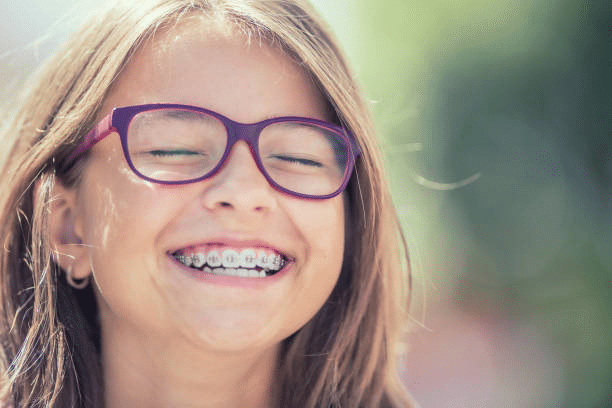
Every parent wants their child to have a healthy, confident smile, but did you know that early intervention with braces for kids can prevent long-term dental complications? Identifying when your child needs orthodontic care is crucial, especially with the variety of types of braces for kids teeth available today. From traditional metal braces to more aesthetic ceramic options, knowing the signs early allows you to make informed decisions. In Singapore, many parents explore options like braces kids can comfortably wear while ensuring proper alignment and oral health. This guide will help you understand the key indicators that your child might need braces sooner than you think.
1. Crooked or Misaligned Teeth
One of the most common signs that your child may need braces for kids is the appearance of crooked or misaligned teeth. It’s not just about aesthetics but misalignment can lead to several dental issues that affect your child’s daily life. Crooked teeth can cause difficulty with basic functions like chewing, speaking, and maintaining proper oral hygiene, which makes early intervention crucial. Common signs of misalignment include:
- Teeth that overlap or twist inwards: Misaligned teeth often crowd each other, causing them to twist or overlap. This makes it harder for your child to properly clean their teeth, increasing the risk of cavities and gum disease.
- Gaps between teeth that appear suddenly: As your child’s permanent teeth begin to emerge, gaps might develop. These gaps can cause the teeth to shift, leading to uneven spacing that might require braces for kids to correct.
- Bite issues such as overbite, underbite, or crossbite: A misaligned bite can cause your child to bite their teeth together incorrectly, which can affect how they chew, speak, and even cause discomfort over time.
- Early wear on teeth due to improper contact points: If your child’s teeth aren’t properly aligned, certain teeth may make too much contact with others, leading to premature wear and even damage.
💡Spotting these issues early allows parents to consult with an orthodontist who can recommend the best braces kids can use comfortably. By addressing misalignment early, you can help prevent long-term oral health issues, such as uneven wear, jaw pain, and tooth decay. Proper alignment not only improves your child’s smile but also ensures they maintain good oral health as they grow.
2. Difficulty in Chewing or Biting
If your child is having trouble chewing or biting, it could be a sign that they need braces for kids. Misalignment of teeth can directly affect how your child eats and even how they speak. Difficulty in biting or chewing is often linked to dental issues such as an overbite, underbite, or crossbite, all of which can lead to discomfort and long-term oral health problems. Keep an eye out for the following signs:
- Frequent biting of cheeks or tongue: When teeth are misaligned, children may accidentally bite their cheeks or tongue while eating or speaking, which can cause irritation and even lead to sores over time.
- Difficulty chewing hard foods: If your child struggles with tougher foods like apples or raw vegetables, it could be because their teeth aren’t meeting properly due to misalignment.
- Preference for soft foods due to discomfort: Children with improperly aligned teeth might choose softer foods, like mashed potatoes or soups, to avoid the discomfort that comes from chewing hard or crunchy foods.
- Jaw pain or clicking sounds: Misaligned teeth can lead to uneven pressure on the jaw, causing pain or clicking sounds when your child opens or closes their mouth.
💡With an early intervention with braces, kids can prevent these issues from becoming more severe. Consulting an orthodontist early on will allow you to explore the best types of braces for kids teeth, which can help correct the misalignment while ensuring the treatment process is as comfortable as possible. The right braces can not only improve your child’s bite but also their ability to chew properly, speak clearly, and enjoy a wider variety of foods.
3. Early Loss of Baby Teeth
One of the early signs that braces for kids might be necessary is the premature loss of baby teeth. While it’s perfectly normal for children to lose their baby teeth between the ages of 6 and 12, losing them too early can lead to alignment issues that may require orthodontic treatment down the line. Early loss of teeth can lead to several complications, including:
- Shifting of other teeth into the empty space: When a baby tooth is lost too soon, adjacent teeth may shift into the gap, causing the remaining teeth to crowd or become misaligned.
- Misalignment of permanent teeth coming in: The premature loss of baby teeth can cause permanent teeth to emerge at improper angles, leading to a misaligned bite and possibly requiring braces for kids to correct it.
- Gaps or overcrowding that may require braces later: Missing baby teeth can result in unnecessary gaps or overcrowding, which may require corrective treatment like braces kids can wear once the adult teeth are fully grown in.
💡Early intervention with braces kids can help guide the eruption of permanent teeth into the proper positions, preventing these alignment issues from becoming more complex later on. Consulting an orthodontist at this stage can help ensure that your child’s transition from baby teeth to adult teeth is as smooth as possible, avoiding the need for more invasive treatment in the future.
4. Jaw Discomfort or Teeth Grinding
If your child experiences jaw discomfort or teeth grinding, it could be an indication that braces for kids are needed sooner rather than later. Misaligned teeth or a bad bite often lead to pressure on the jaw, causing discomfort. Teeth grinding (also known as bruxism) is a common problem among children, and it’s often a sign that their teeth aren’t properly aligned. Look out for these symptoms:
- Complaints of sore jaw or face, especially after eating: Children may complain of soreness in the jaw, face, or even headaches, particularly after meals, as they struggle to chew or bite correctly due to misalignment.
- Teeth grinding or clenching, particularly at night: Many kids grind or clench their teeth unconsciously while sleeping. This can wear down enamel and cause long-term damage if not addressed.
- Clicking or popping sounds when opening or closing their mouth: If your child experiences unusual sounds from their jaw when opening or closing their mouth, it could indicate a misalignment in the jaw or teeth.
💡Teeth grinding and jaw discomfort are not only uncomfortable but can also cause damage to your child’s teeth over time. Fortunately, early intervention with braces for kids can address these issues. In some cases, orthodontists may recommend types of braces for kids’ teeth, such as night guards, to protect the teeth while they sleep. These solutions help alleviate pressure on the jaw, prevent further damage, and realign the teeth for a healthier bite.
5. Speech Difficulties or Lisping
Misaligned teeth can sometimes interfere with how your child speaks, especially when their bite affects the way they pronounce certain sounds. If you’ve noticed that your child has trouble articulating specific words or has developed a persistent lisp, it could be due to misalignment of their teeth or jaw. Speech difficulties caused by dental issues may include:
- Difficulty pronouncing words clearly, especially sounds like ‘s’, ‘z’, ‘sh’, and ‘ch’: Misalignment can cause a lisp, making it difficult for your child to pronounce these common sounds, which can affect their overall speech clarity.
- A lisp that develops as they age: As your child grows, a lisp may appear or worsen if the alignment of their teeth continues to cause interference with speech development.
- Speech delays that persist beyond age 6: If your child is still struggling with certain speech sounds after age 6, it could be a sign that braces for kids might be needed to help correct their bite and improve clarity.
💡Braces for kids can play a significant role in improving speech clarity by correcting the misalignment of teeth and the jaw. Proper alignment ensures that your child’s teeth and jaw are in the right position, allowing for smoother, more accurate speech. Early orthodontic evaluation is key, as it helps determine if braces kids need are necessary to address speech issues before they become ingrained and more difficult to treat later in life.
Types of braces for kids teeth
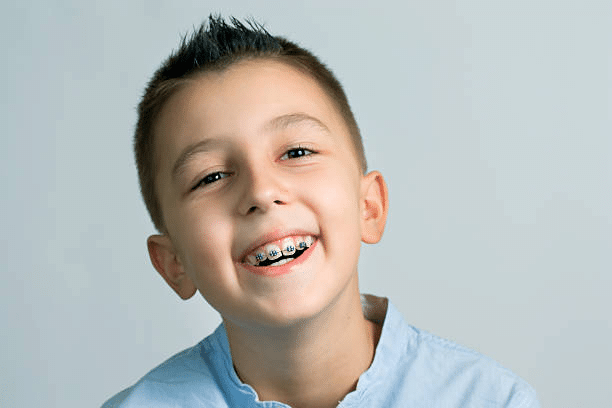
Once you’ve identified the signs that your child may need braces, it’s important to know the various treatment options available. The types of braces for kids teeth have evolved significantly, offering both functional and aesthetic benefits. Here are some common treatments:
1. Traditional Metal Braces for kids
Traditional metal braces remain one of the most effective and durable options for braces kids can use. They consist of brackets, wires, and elastic bands that work together to gradually shift teeth into their correct positions. These braces are suitable for more complex cases and provide consistent results.
2. Ceramic Braces
Ceramic braces are a less noticeable alternative to metal braces. The brackets are made of clear or tooth-coloured materials, making them ideal for children and teens who may feel self-conscious about wearing braces. They work similarly to traditional metal braces but with the added benefit of being more aesthetically pleasing.
3. Clear Aligners for Kids
Clear aligners, is a modern alternative to traditional braces. These aligners are custom-made for your child’s teeth and are virtually invisible, which makes them a popular choice for children who may not want noticeable braces. However, they are more suitable for minor to moderate orthodontic issues.
4. Space Maintainers
If your child has lost a baby tooth prematurely, a space maintainer might be used to hold the space for the permanent tooth. These are particularly useful in preventing misalignment when teeth have shifted due to early tooth loss.
💡By consulting with your orthodontist, you can determine which option is best suited for your child’s needs. Braces for kids are an investment in their oral health, and choosing the right type is crucial for achieving lasting, comfortable results.
How to Choose the Right Orthodontist for Your Kids braces
Choosing the right orthodontist is essential for your child’s treatment. Here are some tips to guide you in finding the right professional to meet your needs:
1. Experience and Specialisation
Look for an orthodontist who specialises in treating children and has experience in handling a variety of braces kids cases. Orthodontists with a proven track record in paediatric care will have the expertise to make your child’s experience as comfortable as possible.
2. Reputation and Reviews
Check online reviews and ask for recommendations from other parents. An orthodontist with positive feedback from past patients will give you confidence in their abilities and care. You may also want to visit the clinic and ask about treatment success stories.
3. Consultation Process
A good orthodontist should be willing to take the time to explain treatment options, answer your questions, and discuss any concerns. This consultation is a chance for you and your child to get comfortable with the orthodontist and the treatment plan.
Ready to Ensure Your Child’s Perfect Smile? Book a Consultation Today!
If you’ve noticed any of the signs that your child might need braces, don’t wait! Schedule a consultation with Alfred Cheng Orthodontic Clinic today. Dr. Alfred Cheng will guide you through the best braces for kids options, ensuring that your child receives the highest level of care in a comfortable environment. Let us help you choose the right treatment and give your child the confident, healthy smile they deserve.
📍 Alfred Cheng Orthodontic Clinic
Mount Elizabeth Medical Centre
3 Mount Elizabeth #03-03
Singapore 228510
🌐 Visit: https://orthodontics.com.sg/