
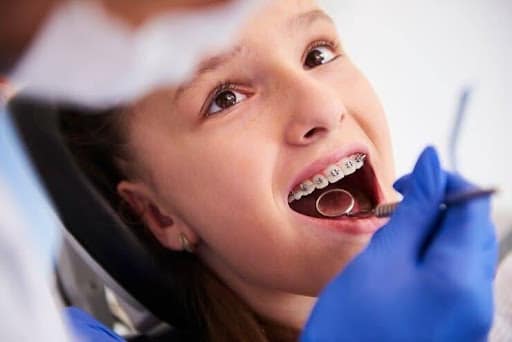
Ceramic braces cost more than metal braces in Singapore because the tooth-coloured material is pricier to produce and less forgiving to work with chairside. The exact fee depends on the complexity of the misalignment, treatment length, and which clinic and orthodontist you choose, so a proper quote only comes after a consultation with an orthodontist Singapore families can trust. If you’re a parent reviewing your child’s dental X-ray results, or a teen dreading a “mouth full of metal” at school, you’re likely weighing two things: if ceramic is worth the extra cost, and what that cost actually looks like. This guide answers both plainly, no sales pitch.
Key Takeaways
- Ceramic braces cost more than metal braces mainly because of bracket material and handling, not because they work better clinically.
- Both options correct the same range of problems, including crowding, overbites and spacing, when fitted by a qualified orthodontist.
- A consultation with an orthodontist typically runs 15 to 30 minutes and costs $80 before GST; it is not free, and it is where you get a real number for your child’s case.
- Early orthodontic evaluation for children can catch developing bite problems before they need more extensive (and costlier) treatment later.
- Ceramic brackets need slightly more careful cleaning to avoid staining, which matters for teens who eat a lot of curry, coffee-based drinks, or turmeric-heavy food.
How Much Do Ceramic Braces Cost in Singapore?
Ceramic braces generally sit in a higher price bracket than metal braces across Singapore clinics, largely because of the ceramic braces aesthetic appearance cost Singapore trade-off: you’re paying for a bracket material that’s harder to see against natural teeth. Metal braces remain the more budget-friendly starting point for most families, while ceramic sits a tier above, and lingual (behind-the-teeth) braces sit higher still.
Braces type | Typical cost range | Visibility | Best suited for |
Metal braces | Lower end of the market | Clearly visible metal brackets and wires | Budget-conscious families, younger children less bothered by appearance |
Ceramic braces | Mid to upper range, above metal | Tooth-coloured, blends with enamel | Teens and image-conscious patients wanting effective treatment without the metal look |
Self-ligating ceramic | Upper range, above standard ceramic | Tooth-coloured with a slide mechanism | Patients wanting fewer wire-related adjustments alongside a discreet look |
Clear aligners | Varies widely by case complexity | Nearly invisible, removable | Milder misalignment, teens/adults who want to remove trays to eat and clean |
Lingual braces | Highest of the fixed options | Hidden behind the teeth | Patients wanting zero visible hardware from the front |
These figures are indicative only. Case complexity, number of teeth involved and treatment duration all move the final number, which is why every reputable clinic insists on an in-person assessment before quoting a firm fee.
Key insight: The price gap between ceramic and metal braces mostly reflects the bracket material and the extra chairside care needed to fit and maintain it, not a difference in how effectively either option straightens teeth.
Why Prices Vary So Much Between Clinics
Two clinics quoting different fees for what looks like the same treatment usually differ on one of three things: the orthodontist’s seniority and specialist training, whether the fee includes X-rays and retainers, or how complex your particular case is once assessed. A crowded set of teeth needing extractions will always cost more to treat than mild spacing, regardless of bracket type
Ceramic Braces vs Metal Braces: Which Is Better?

Neither ceramic nor metal braces is universally “better.” Ceramic braces are the stronger choice for aesthetic appearance, since tooth-coloured brackets blend into your smile and are far less noticeable in photos or during conversation, while metal braces are the stronger choice for cost and durability, since metal brackets resist chipping and staining better and usually cost less overall. Both correct the same range of bite and alignment issues; the decision mostly comes down to how much visibility bothers your child and how much budget flexibility you have.
Side-by-Side Comparison
Factor | Ceramic braces | Metal braces |
Visibility | Tooth-coloured, blends in | Clearly visible metal and wire |
Typical cost | Higher | Lower, more budget-friendly |
Durability | Slightly more prone to chipping | More robust, harder to damage |
Staining risk | Higher if oral hygiene slips | Minimal staining risk |
Bracket size | Slightly bulkier | More compact |
Suitability for complex cases | Effective for most cases | Effective for most cases, including severe ones |
Cleaning effort | Needs more careful brushing | Standard brace-cleaning routine |
For families weighing this decision alongside other options, it can help to first read through a comparison of braces and clear aligners to understand where ceramic and metal fit against removable alternatives.
Where Ceramic Wins
If your teenager is self-conscious about school photos, CCA performances, or just everyday smiling, the discretion of ceramic braces genuinely changes the day-to-day experience of wearing braces. Many teens report feeling far more comfortable in ceramic than metal specifically because classmates don’t immediately notice the brackets.
Where Metal Wins
For younger children, or families where budget is the deciding factor, metal braces deliver the same corrective results at a lower price point. Metal is also the more forgiving option if a child is rough on their braces, since the brackets are less likely to chip.
Beyond Invisalign and Zenyum
Beyond these two, Singapore’s market includes several other systems. Pricing tiers among these premium and mid-range aligner brands can differ meaningfully depending on the technology used and the level of clinical oversight built into the treatment plan. Reader roundups of popular clinics and aligner options in Singapore also show that many families weigh convenience, clinic reputation, and reviews just as heavily as brand name when making a final decision.
Are Ceramic Braces Worth the Extra Cost?
This is usually the real question parents are asking, not just “how much do ceramic braces cost.” Whether ceramic is worth paying more for depends on three things: how much appearance matters to your child day-to-day, how disciplined they are about oral hygiene, and whether the case is straightforward enough that either bracket type will work equally well.
When the Extra Cost Tends to Pay Off
- Your teen has expressed real anxiety about visible metal, particularly around exams, performances, or social media.
- Your child already brushes and flosses reliably, reducing the staining risk that ceramic brackets carry.
- Treatment duration is expected to be on the shorter side, limiting the window where staining could accumulate.
When Metal Might Make More Sense
- Budget is the primary constraint and the child isn’t especially bothered by visible brackets.
- The case involves heavy correction where durability and resistance to chipping matter more than appearance.
- Your child plays contact sports or has habits (like nail-biting or pen-chewing) that put extra stress on brackets.
Key insight: Ceramic brackets can discolour if a child eats a lot of turmeric-based food, coffee or dark sauces without brushing soon after, so the “extra cost” of ceramic only pays off alongside consistent cleaning habits.
What Affects Ceramic Braces Cost and Appearance
Several factors shift both the price you’ll pay and how the braces will actually look in your child’s mouth.
Case Complexity
Crowded teeth, significant overbites or underbites, and cases needing extractions all extend treatment time and raise the overall fee. A mild spacing issue treated early through interceptive orthodontics-style guidance may need far less correction than a case left untreated into the teenage years.
Number of Teeth Treated
Full-arch treatment across upper and lower teeth costs more than a partial or single-arch correction. Your orthodontist will confirm this scope only after examining X-rays and a digital scan.
Treatment Duration
Longer treatment means more adjustment visits, and each visit adds to the overall cost of care. Ceramic brackets that stay in place for an extended period also carry a longer window of staining risk, which is why hygiene habits matter more with ceramic than with metal.
Orthodontist Experience and Clinic Setup
A specialist orthodontist with postgraduate training in this field will typically factor that expertise into their fee. This isn’t a case where the cheapest provider is automatically the safer choice; treatment planning quality affects how well the final bite and smile turn out.
How to Choose Between Ceramic and Metal for Your Child
Use this as a practical checklist before your consultation, so you walk in with clear priorities rather than deciding on the spot.
- Rate how much appearance matters. If your child is vocal about not wanting visible metal, ceramic is worth discussing seriously.
- Be honest about hygiene habits. A child who forgets to brush after meals is a poorer candidate for ceramic, since staining will show.
- Check the treatment timeline. Ask how long correction is expected to take; longer treatment increases both cost and staining exposure for ceramic.
- Compare against clear aligners too. For milder cases, clear aligners may offer similar discretion with the added benefit of being removable for meals and brushing.
- Confirm what’s included in the quoted fee. Ask whether X-rays, retainers and review visits are bundled in or billed separately.
- Get a second data point if unsure. A short consultation at another clinic can help your sanity-check a quote, especially for complex cases.
Decision Snapshot
If your priority is… | Consider… |
Lowest visible braces during treatment, budget flexible | Ceramic braces |
Lowest overall cost | Metal braces |
Removability for sports, meals, cleaning | Clear aligners (if case suits) |
Zero visible hardware, higher budget | Lingual braces |
What Happens at the Consultation
Many parents delay booking because they assume a consultation is free, then feel caught out. It isn’t: a consultation is priced at $80 before GST, and it typically runs 15 to 30 minutes. During that time, the orthodontist examines your child’s teeth and jaw, may take X-rays or a digital scan, and talks through realistic treatment options and an approximate cost range specific to your child’s case.
This is also the point where questions about ceramic versus metal, expected treatment duration, and payment options should all be raised directly. Bringing a list of questions in beforehand makes the most of that window.
Research following adult orthodontic patients in Singapore has found growing demand for discreet options like ceramic braces, driven partly by increased self-awareness from video calls and photos, alongside genuine functional needs such as correcting bite problems that affect chewing and speech, a trend documented in reporting on rising adult orthodontic uptake in Singapore. While that data centres on adults, it reflects the same appearance-versus-function calculation that parents make on behalf of their children.
Frequently Asked Questions
Ceramic brackets can pick up staining from strongly coloured foods and drinks if brushing slips. Encourage your child to rinse or brush shortly after meals, particularly after curry, dark sauces or fruit juice. With reasonably consistent care, most teens keep ceramic brackets looking clean throughout treatment.
For a child still self-conscious about school life, the appearance benefit of ceramic can be genuinely worth the extra spend. For a younger child less bothered by visible braces, metal often delivers the same clinical result for less.
This is worth raising directly at the consultation, since switching bracket types mid-treatment isn’t typically straightforward once brackets are bonded. Better to decide upfront based on how your child genuinely feels, not just what seems more affordable on paper.
Ceramic braces cost more than metal braces because tooth-coloured brackets are pricier to produce and need more careful handling. The exact figure depends on case complexity, treatment length and the clinic, so a firm number only comes after an in-person assessment.
They’re worth it if your child cares strongly about visible braces and keeps up consistent brushing habits, since staining is the main downside. If budget matters more than appearance, metal delivers the same clinical outcome for less.
Not inherently. Treatment duration depends far more on case complexity, jaw growth, and how consistently your child wears any recommended elastics or attachments than on bracket material itself.
Book a consultation to get a proper assessment of your child’s teeth and a realistic quote for ceramic braces cost in Singapore before deciding between ceramic, metal, or aligners.
📍 Alfred Cheng Orthodontic Clinic
Mount Elizabeth Medical Centre
3 Mount Elizabeth #03-03
Singapore 228510
🌐 Visit: https://orthodontics.com.sg/
Contact Us: orthodontics.com.sg/contact/