
Choosing the best orthodontist in Singapore for braces is a significant decision that affects your smile, oral health, and confidence for years to come. Whether you’re a parent seeking treatment for your child or an adult considering braces for yourself, the right orthodontist makes all the difference. This guide walks you through the key qualifications to look for, the treatment options available, and how to evaluate whether an orthodontist is the right fit for your needs. By understanding what sets the best orthodontists apart, you can make an informed choice that prioritises both results and comfort.
Key Takeaways
- Look for orthodontists with recognised specialist qualifications and ongoing professional development
- Personalised treatment planning, digital imaging, and 3D scanning indicate modern, patient-centred care
- The best orthodontist offers multiple treatment options tailored to your age and lifestyle
- Early intervention and preventive care are valuable, especially for children and teenagers
- Trust, clear communication, and efficient appointments are signs of a clinic that prioritises patient experience
What Qualifications Should an Orthodontist Have?
1. Educational Foundation and Professional Credentials
An orthodontist in Singapore should hold a Bachelor of Dental Surgery (BDS) or equivalent qualification, followed by specialised orthodontic training. This postgraduate specialisation typically requires an additional three years of focused study beyond general dentistry. Look for practitioners with qualifications from recognised universities or specialist orthodontic boards. Many leading orthodontists pursue postgraduate diplomas or memberships with the Singapore Dental Council, demonstrating commitment to expertise and professional excellence.
The best orthodontist will display their qualifications clearly at their clinic and online. This transparency helps you verify their credentials and understand their educational background before your first appointment.
2. Ongoing Professional Development
The best orthodontist stays current with advancing techniques and technology. Modern orthodontics evolves rapidly, with new systems, materials, and digital tools becoming available regularly. Check whether your chosen orthodontist attends regular training, conferences, or workshops on contemporary orthodontic methods, including digital imaging, 3D planning, and new aligner systems. This commitment to learning reflects dedication to delivering the most effective and comfortable treatments available.
Orthodontists who invest in professional development often achieve better outcomes for their patients. They understand the latest evidence-based practices and can offer solutions tailored to individual needs.
3. Specialist Registration and Recognition
Verify that your orthodontist is registered as a specialist with the Singapore Dental Council. Specialist status requires additional rigorous training beyond general dentistry and demonstrates that their practice focuses specifically on teeth alignment and bite correction. This recognition matters because it ensures your orthodontist has met strict educational and professional standards.
Credentials to verify:
- Singapore Dental Council specialist registration
- Postgraduate orthodontic qualifications (Diploma or Master’s degree)
- Membership with professional orthodontic associations
- Ongoing continuing education credits
How to Choose the Right Orthodontist: A Practical Guide
Step 1: Assess Your Treatment Goals
Before your first consultation, clarify what you want to achieve. Are you seeking straighter teeth, bite correction, improved facial balance, or discreet treatment options? Orthodontists may specialise in varying approaches. Understanding your priorities helps you select a practitioner whose experience aligns with your goals.
Common treatment goals include:
- Correcting crowded or spaced teeth
- Fixing overbite, underbite, or crossbite issues
- Improving speech or chewing function
- Enhancing smile aesthetics and confidence
- Supporting early jaw development in children
Step 2: Evaluate the Consultation Experience
A quality orthodontist takes time to listen, explain your options clearly, and answer your questions without pressure. During your consultation, assess whether the orthodontist demonstrates these qualities:
Quality Indicator | What to Look For |
Thorough examination | Digital imaging or 3D scanning technology |
Multiple options | Discussion of different treatment pathways |
Clear explanation | Realistic timelines, costs, and aftercare guidance |
Concern for comfort | Addresses your worries about pain, appearance, lifestyle |
Patient-focused | Listens actively and respects your preferences |
During your orthodontist search, the consultation experience reveals whether they prioritise your individual needs or follow a standard approach for all patients.
Step 3: Consider Treatment Options Available
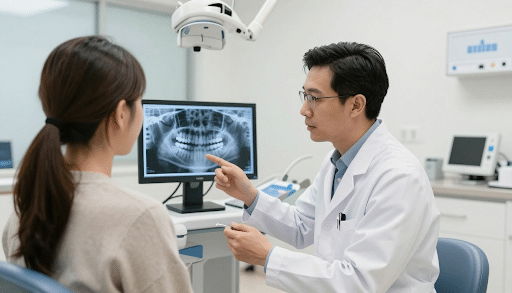
Multiple treatment options indicate a patient-centred practice. Look for orthodontists offering metal braces, ceramic braces, clear aligners, and potentially lingual braces for discreet correction. The best orthodontist provides variety, meaning they can tailor treatment to your age, budget, and aesthetic preferences rather than recommending a one-size-fits-all solution.
Treatment variety to expect:
- Metal braces (traditional, durable, affordable)
- Ceramic braces (tooth-coloured, less visible)
- Damon braces (self-ligating, efficient)
- Clear aligners (removable, discreet)
- Lingual braces (behind teeth, invisible)
Step 4: Review Patient Feedback and Referrals
Read independent reviews on Google, patient testimonials, or ask for referrals from your general dentist. Pay attention to comments about staff friendliness, appointment efficiency, clear explanations, and actual results. Consistent positive feedback about personalised care and minimal waiting times indicates you’ve found the best orthodontist in Singapore for your needs.
Look for reviews mentioning:
- Professional expertise and knowledge
- Friendly, welcoming staff
- Transparent communication about treatment
- Efficient appointment scheduling
- Real transformations and smile improvements
Modern Orthodontic Treatment Options in Singapore
1. Metal Braces and Advanced Variants
Traditional metal braces remain the most effective and affordable option for comprehensive teeth correction. Newer systems like Damon braces use self-ligating technology, reducing friction and potentially shortening treatment duration. These are ideal for complex corrections and remain popular among teenagers and adults seeking reliable, proven results.
Metal braces work through consistent, gentle pressure applied via archwires and brackets. Modern versions are smaller and more comfortable than older designs. Treatment typically lasts 18 to 36 months depending on case complexity.
2. Ceramic and Discreet Braces
Ceramic braces blend with your natural tooth colour, making them significantly less visible than metal alternatives. Damon clear braces combine aesthetic appeal with efficient tooth movement, appealing to image-conscious teenagers and professionals. These options cost slightly more than metal braces but offer comfort, discretion, and reliable results.
Many adults choose ceramic braces for professional or social reasons. They function identically to metal braces but provide the visual benefit of being less noticeable during treatment.
3. Clear Aligners for Mild to Moderate Cases
Clear aligner systems provide removable, nearly invisible treatment suited to adults and older teenagers with mild to moderate alignment issues. They allow flexible eating and easier cleaning but require discipline and consistent wear—typically 20 to 22 hours daily. Treatment duration usually ranges from 12 to 24 months.
Clear aligners work through a series of custom-made trays, each applying slight pressure to gradually shift teeth into correct positions. They’re ideal for busy professionals who want discreet treatment.
Early Intervention for Children
Early orthodontic assessment around age seven can identify developmental issues before they worsen. Interceptive orthodontics guides jaw and tooth growth, potentially reducing the need for surgery or extensive treatment later. This preventive approach is especially valuable for children showing crowding, crossbites, or jaw imbalances.
Early treatment benefits include:
- Guiding natural jaw development
- Creating space for permanent teeth
- Reducing treatment severity later
- Building confidence during childhood
- Preventing complex cases developing
Red Flags: What to Avoid When Selecting an Orthodontist
In your selection process, recognise these warning signs of poor practice:
- Limited consultation time or pressure to commit. A rushed first appointment often means less time to address your specific concerns and questions. The best orthodontist takes 15 to 30 minutes for a thorough initial assessment.
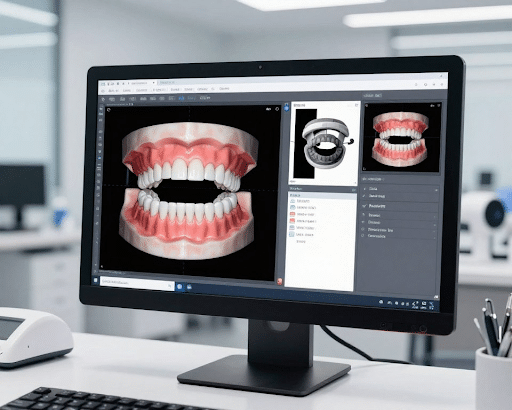
- No digital imaging or treatment planning. Modern practices use digital scans and 3D visualisation to show expected results before treatment begins. Absence of this technology indicates outdated methods.
- Vague timelines or cost estimates. Transparent pricing and realistic treatment duration are essential for informed decision-making. Vagueness suggests disorganisation or evasiveness.
- Poor communication or dismissive attitude. Trust depends on feeling heard and respected throughout your treatment journey. If an orthodontist dismisses your concerns, continue your search elsewhere.
- No emergency support or aftercare guidance. Braces occasionally need adjustments between appointments. A responsive clinic provides clear support channels for urgent issues.
- Single treatment option offered. If an orthodontist recommends only one pathway without exploring alternatives, it indicates limited flexibility or outdated thinking.
Getting Started With Your Orthodontist
1. Schedule Your Initial Consultation
Contact your chosen orthodontist to book an initial consultation. Most clinics offer these at minimal cost. Come prepared with questions about your specific concerns, desired outcomes, and lifestyle needs. The best orthodontist welcomes questions and takes time explaining their approach.
2. Prepare for Your First Appointment
Bring any previous dental records or X-rays if available. Be ready to discuss your oral health history, any jaw discomfort, and your aesthetic goals. Share information about habits like teeth grinding or any speech concerns. This background helps your orthodontist create a truly personalised treatment plan.
3. Understand Your Personalised Treatment Plan
After assessment, your orthodontist should present a detailed plan including:
- Diagnosis – Specific alignment or bite issues identified
- Recommended treatment – Why this option suits your case
- Expected duration – Realistic timeline for results
- Appointment schedule – Frequency of visits and maintenance requirements
- Total cost – Transparent pricing and payment options
- Aftercare – Retainer use and long-term care instructions
4. Commit to Aftercare and Maintenance
Successful orthodontic treatment requires patient commitment. Follow your orthodontist’s guidance on oral hygiene, dietary restrictions if wearing braces, and consistent aligner wear if using clear aligners. Regular appointments and compliance significantly influence results and overall treatment timeline.
Proper care includes:
- Brushing thoroughly around brackets or after aligner removal
- Avoiding hard, sticky, or sugary foods with braces
- Wearing aligners consistently (20+ hours daily)
- Attending all scheduled appointments
- Using retainers as directed after treatment completion
Frequently Asked Questions About Teeth X-Rays and Orthodontic Assessment
Treatment duration ranges from 18 to 36 months depending on the severity of misalignment, patient age, and treatment method chosen. Children and teenagers often see faster results due to continued jaw growth. Your orthodontist will provide a personalised estimate during consultation based on your specific case complexity.
Mild discomfort or pressure is normal after adjustments, particularly in the first few days, but severe pain is not typical. Modern systems like Damon braces reduce friction and associated discomfort significantly. Over-the-counter pain relief and soft foods help manage any soreness. Most patients adapt quickly and experience minimal ongoing discomfort during treatment.
Costs vary depending on the treatment type and complexity, ranging from several thousand to over ten thousand dollars. Most orthodontists offer flexible payment plans to make treatment accessible. Check with your insurance provider, as some plans cover a percentage of orthodontic treatment, particularly for children. Your orthodontist’s clinic can advise on payment options and insurance claims during consultation.
Ready to Transform Your Smile?
Finding the best orthodontist in Singapore for braces starts with knowing what qualifications to look for and how to choose the right orthodontist for your specific needs. The right practitioner combines specialist expertise, modern technology, multiple treatment options, and genuine patient care.
📍 Alfred Cheng Orthodontic Clinic
Mount Elizabeth Medical Centre
3 Mount Elizabeth #03-03
Singapore 228510
🌐 Visit: https://orthodontics.com.sg/
Contact Us: orthodontics.com.sg/contact/