
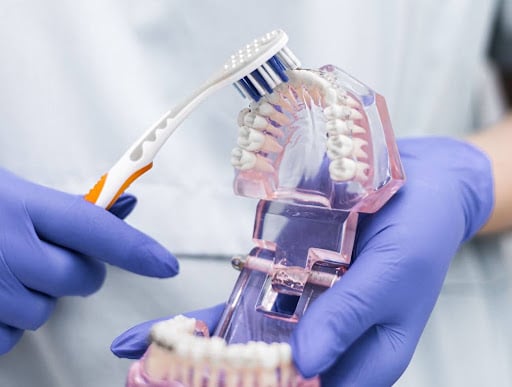
Caring for a child’s braces properly comes down to three habits: cleaning teeth thoroughly after meals, using the right tools around brackets and wires, and sticking to the diet and appointment schedule the orthodontist sets. Miss these, and you risk decay, gum inflammation, and a longer treatment time. Get them right, and braces do exactly what they should: guide teeth into a healthy, well-functioning bite without extra dental problems along the way.
If you’re a parent reading this, you’ve probably just left an orthodontic consultation, or you’re weighing one up, and you’re wondering whether your child actually needs braces now or can wait. That question, and the daily reality of keeping metal braces clean, is what this guide covers.
Key Takeaways
- Brush after every meal and snack, not just twice a day, because braces trap food against the enamel.
- An interdental brush (also called a proxy brush or interproximal brush) is the single most useful tool for cleaning around brackets and wires.
- Certain foods, sticky, hard, or crunchy, should be cut up or avoided entirely to stop wires bending or brackets popping off.
- Early orthodontic evaluation around age 7 helps catch jaw and bite problems while your child’s mouth is still growing and easier to guide.
- Skipping dental visits or ignoring loose brackets is the most common reason treatment drags on longer than planned.
Does My Child Need Early Orthodontic Treatment?
Your child likely needs an orthodontic evaluation by around age 7 if they have crowded teeth, a noticeable overbite or underbite, difficulty chewing, mouth breathing, or a habit like thumb-sucking that hasn’t stopped. Early evaluation doesn’t always mean braces go on immediately. It means an orthodontist can spot jaw growth problems while there’s still room to guide development, rather than waiting until all the adult teeth have come in and options are more limited.
This is the core anxiety behind most parent searches on this topic: is it too early, or already too late? Neither answer is usually true. Interceptive orthodontics, treatment started while a child is still growing, works because young jaws respond to gentle guidance in a way adult bone doesn’t. Waiting doesn’t always cause harm, but for issues like severe crowding or a crossbite, an early consultation gives you options that disappear once growth slows.
A short consultation, typically 15 to 30 minutes, is usually enough for an orthodontist to tell you whether your child needs treatment now, needs monitoring, or can simply see a dentist for regular check-ups until more teeth erupt.
Key insight: The goal of early evaluation isn’t to start treatment as young as possible, it’s to catch problems while there’s still growth left to work with, so future treatment is shorter and simpler.
9 Daily Brace Care Tips That Actually Work

Once braces are fitted, the daily routine matters more than almost anything else in determining how smoothly treatment goes. Braces themselves don’t cause damage. Plaque and food left sitting against enamel for weeks does. Here are the nine habits that make up solid, everyday brace care.
- Brush after every meal, not just morning and night. Braces create dozens of extra surfaces and ledges where food collects, so a twice-daily routine that works fine without braces isn’t enough once brackets go on.
- Angle the brush correctly. Use a soft-bristled brush and short strokes, angling the brush at 45 degrees against the gum line and directly onto each bracket. Spend a few extra seconds on brackets with hooks, since these trap the most plaque.
- Use a fluoride toothpaste above 1000 ppm. Fluoride strengthens enamel and slows plaque bacteria. If your child already has sensitive gums from the braces rubbing, a toothpaste with desensitising ingredients can help with comfort too.
- Floss or use an interdental brush once daily. Flossing is harder with wires in the way, but skipping it is where most decay starts. A floss threader, superfloss, or an interdental brush that braces users rely on daily can get between teeth and under the archwire where a toothbrush can’t reach.
- Reach for the interdental brush first if flossing is a struggle. The interdental brush, a small bristled brush shaped like a tiny bottle cleaner, is often easier for children to manage than threading floss, and it’s particularly good at clearing debris caught around brackets.
- Clean at night, not just whenever convenient. Aim for once-daily flossing or interdental brushing, ideally at night, so food doesn’t sit against the teeth for hours while your child sleeps.
- Rinse with plain water when brushing isn’t possible. At school or after a snack away from home, a thorough rinse with plain water is a reasonable stopgap.
- Add a fluoride mouth rinse at night. This adds another layer of cavity protection, though it isn’t a substitute for brushing.
- Keep a small cleaning kit wherever your child spends the day. A spare toothbrush, interdental brush, and pack of orthodontic wax in a school bag makes it far easier for the other eight habits to actually happen.
For a fuller walkthrough of the day-to-day routine, this detailed brace care guide breaks down cleaning steps stage by stage.
The Right Tools for Braces Care
Not every toothbrush or floss product works equally well once brackets and wires are involved. Here’s how the main tools compare.
Tool | Best For | How Often to Use | Notes |
Soft-bristled manual toothbrush | Everyday cleaning of tooth surfaces and brackets | After every meal | Round, soft bristles reduce gum irritation around braces |
Electric toothbrush (oscillating head) | Children who struggle to brush thoroughly | After every meal | Useful if it encourages more consistent brushing |
Interdental brush | Clearing plaque between teeth and around brackets | Once daily | Often easier for kids than threading floss |
Floss threader or superfloss | Reaching under the archwire | Once daily | Waxed floss is less likely to snag on brackets |
Fluoride mouth rinse | Extra cavity protection, soothing irritation | Once daily, at night | Not a replacement for brushing or flossing |
Orthodontic wax | Covering a bracket or wire that’s rubbing | As needed | Keep a spare pack in a school bag |
Key insight: An interdental brush is often the single easiest upgrade for a child’s routine, it takes seconds to use, needs no threading, and reaches the exact spots where braces trap the most food.
Foods to Avoid With Metal Braces
Diet is where most bracket breakages happen, and every loose bracket usually means an unplanned clinic visit and a slight delay to treatment.
1. Foods That Damage Braces
Sticky, hard, or very chewy foods are the main culprits. Caramel, chewy sweets, popcorn, nuts, and hard bread crusts can bend wires or pop brackets off the tooth. Ice should never be chewed with braces on. Fizzy and sugary drinks aren’t dangerous to the hardware, but they raise the risk of decay around the brackets, so they’re worth limiting.
2. Foods That Are Fine With Small Adjustments
Apples, carrots, and other crunchy fruit and veg don’t need to disappear from the diet, they just need cutting into smaller, bite-sized pieces so your child bites with their back teeth rather than biting straight in with the front ones. Corn is easiest eaten off the cob. Sandwiches, pizza, and similar foods are fine when cut into smaller portions too.
None of this needs to feel restrictive long-term. Most children adjust their eating habits within the first couple of weeks without much fuss.
Handling Discomfort and Common Brace Problems
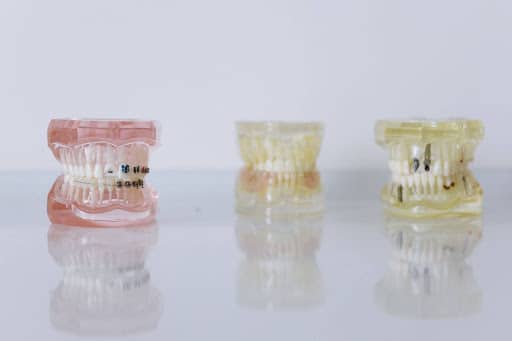
Discomfort in the first few days, and again after each adjustment, is normal. Teeth are moving, and some soreness or minor ulcers on the cheeks and lips are common as your child’s mouth gets used to the brackets.
Orthodontic wax placed over a bracket or wire that’s rubbing gives quick relief. A warm salt water rinse (about a teaspoon of salt in a glass of warm water) can soothe irritated gums. Over-the-counter pain relief suited to your child’s age can help through the first two or three days after an adjustment. For a fuller breakdown of what to expect and how long discomfort typically lasts, see this guide on managing pain and discomfort with new braces.
If a bracket comes loose or a wire pokes out, don’t wait for the next scheduled visit, contact the clinic. A broken bracket can’t apply the correct pressure to move teeth, and leaving it too long can add unplanned weeks to treatment.
How to Choose Between Ceramic and Metal for Your Child
Not every child needs the same combination of tools or reminders. Use this as a rough decision guide.
Your Child’s Situation | Recommended Routine | Why |
Very young, new to brushing discipline | Electric toothbrush, parent-supervised brushing, simple floss threader | Easier motor control, more consistent pressure |
Active in sport or wind instruments | Standard toothbrush plus mouthguard advice from the orthodontist, orthodontic wax on hand | Protects brackets during contact sport, wax manages rubbing from mouthpieces |
Frequently eats lunch at school | Travel brush and interdental brush kept in school bag | Prevents food sitting on braces for a full school day |
History of cavities or sensitive gums | Higher-fluoride toothpaste, nightly fluoride rinse, more frequent dentist checks | Reduces decay risk that braces can worsen if hygiene slips |
Struggles with flossing technique | Interdental brush as the primary tool instead of threaded floss | Easier to manage independently, still clears debris effectively |
Whatever the starting point, the ultimate guide to braces care is a useful next read if you want the full maintenance routine laid out step by step.
Frequently Asked Questions
Your child may need early orthodontic treatment if there’s visible crowding, a significant overbite or underbite, jaw asymmetry, or habits like prolonged thumb-sucking that affect how teeth and jaws are developing. An evaluation around age 7 lets an orthodontist check while growth is still happening, though not every child seen at that age needs braces straight away; many are simply monitored until more permanent teeth erupt.
After every meal and snack, not just morning and evening. Braces trap food far more easily than bare teeth, so the standard twice-daily routine isn’t sufficient once brackets are fitted. A quick water rinse is a reasonable backup when brushing isn’t possible, such as at school.
An interdental brush is usually easier than floss for children, since it doesn’t need threading under the wire. It’s small, bristled, and designed to slide between brackets and teeth to clear trapped food and plaque. Floss threaders and superfloss work well too, particularly for reaching tight spaces a brush can’t access.
This only tends to happen when oral hygiene lapses. Well-cared-for braces don’t damage teeth. Plaque left sitting on enamel for weeks does. This is exactly why a consistent, realistic cleaning routine, not a perfect one, matters more than the type of braces your child wears. For a broader look at how proper orthodontic care protects teeth well beyond the treatment period, this piece on how orthodontic care impacts long-term dental health is worth a read.
Getting Your Child's Brace Care Routine Right From Day One
Good habits formed in the first month of braces tend to stick for the rest of treatment, so it’s worth spending that first week actively supervising brushing and flossing rather than assuming your child will manage alone. Keep a small kit, spare toothbrush, interdental brush, and orthodontic wax, wherever your child spends most of the day.
📍 Alfred Cheng Orthodontic Clinic
Mount Elizabeth Medical Centre
3 Mount Elizabeth #03-03
Singapore 228510
🌐 Visit: https://orthodontics.com.sg/
Contact Us: orthodontics.com.sg/contact/