
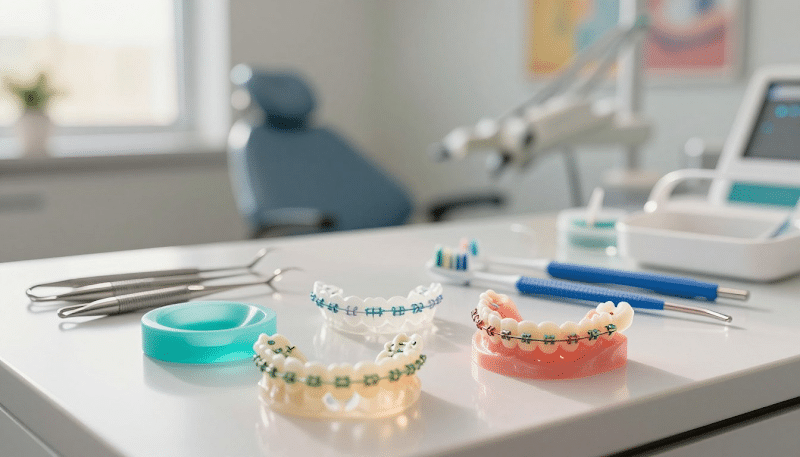
Here’s something many patients don’t realise until it’s too late: the condition of your teeth when braces come off depends almost entirely on how well you care for them during treatment. Without consistent braces care, patients risk developing cavities, gum disease, and permanent white spots on their enamel, issues that can overshadow even the straightest smile.
The good news? These problems are entirely preventable with the right approach to dental care with braces. This guide covers everything you need to know about braces oral care, from daily brushing techniques to foods you should avoid. At Alfred Cheng Orthodontic Clinic, we’ve helped thousands of patients maintain excellent oral health throughout their orthodontic journey, and the same results are within your reach.
Get Your Personalised Care Instructions →
Why Braces Care Requires Extra Attention
Braces create additional surfaces where food particles and bacteria accumulate. Brackets, wires, and elastic bands form small spaces that trap debris, making thorough cleaning more challenging than regular brushing and flossing.
What Happens When Braces Care Falls Short
1. Decalcification (white spots)
When plaque builds up around brackets, acids erode enamel and leave permanent white marks. These spots only become visible after braces removal and often disappointing patients who expected a flawless smile.
2. Increased cavity risk
Food trapped around brackets feeds bacteria that produce tooth-damaging acids. Patients with braces face significantly higher cavity risk without proper braces oral care.
3. Gum problems
Plaque accumulation along the gumline causes inflammation, redness, and bleeding. Left untreated, gingivitis can progress to more serious conditions that affect treatment outcomes.
4. Persistent bad breath
Decomposing food particles and bacterial buildup cause ongoing halitosis that regular mouthwash cannot fully address.
5. Treatment delays
Severe oral health problems may require pausing orthodontic treatment, extending your time in braces.
Related Reading: The Dangers of Untreated Misaligned Teeth →
How to Brush Effectively with Braces
Effective brushing forms the foundation of dental braces care. Standard techniques need adaptation when you have brackets and wires to clean around.
1. Step-by-Step Brushing Technique
Step 1: Rinse first
Swish water around your mouth to loosen food particles before brushing. This makes subsequent cleaning more effective.
Step 2: Position your brush correctly
Hold your soft-bristled toothbrush at a 45-degree angle to your gumline. Use small circular motions to clean above and below each bracket.
Step 3: Clean bracket surfaces thoroughly
Angle your brush to clean the top of each bracket, then the bottom. Food accumulates in these areas most frequently.
Step 4: Cover all tooth surfaces
Clean the outer surfaces, inner surfaces, and chewing surfaces of every tooth. Spend at least 30 seconds per quadrant of your mouth.
Step 5: Brush for two full minutes
Set a timer to ensure adequate brushing time. Most people underestimate how long proper brushing actually takes.
2. When and How Often to Brush
Brush at least twice daily—morning and before bed. For optimal dental care with braces, brush after every meal and snack when possible. If brushing after meals isn’t practical, rinse thoroughly with water until you can brush properly.
3. Choosing the Right Tools for Braces Care
1. Soft-bristled toothbrush
Gentle on brackets while effective at removing plaque. Replace every three months or when bristles show wear.
2. Electric toothbrush
Oscillating or sonic brushes clean effectively around brackets. Many orthodontists recommend these for patients who find manual cleaning challenging.
3. Interdental brushes
These small brushes fit between brackets and wires, reaching areas regular toothbrushes miss. Essential for thorough braces oral care.
4. Orthodontic toothbrush
V-shaped bristle designs clean around brackets more efficiently than standard brushes.
Explore More: The Best Toothbrushes and Tools for Brushing with Braces →
View Our Complete Brace Care Guide →
How to Floss with Braces
Flossing with braces requires patience and the right tools. Standard floss cannot pass through wires without assistance, making proper technique important for dental care with braces.
Effective Flossing Methods
1. Floss threader method
Thread regular floss through a reusable threader, guide it under your archwire, floss between teeth normally, then remove and rethread for the next gap. Time-consuming but thorough.
2. Orthodontic flossers
Pre-threaded flossers designed specifically for braces eliminate the threading process. These tools make daily flossing more convenient and consistent.
3. Water flosser
Water flossers use pressurised water to remove debris between teeth and around brackets. They complement traditional flossing and make braces care faster and easier for many patients.
4. Interdental brushes
Small spiral brushes that clean between teeth where floss cannot easily reach. Use these daily as part of comprehensive dental braces care.
Flossing Frequency
Floss at least once daily, preferably before bedtime. Nighttime flossing removes accumulated debris before bacteria have hours to cause damage while you sleep.

Foods to Avoid and Enjoy with Braces
Diet modification protects your braces from damage and supports your braces oral care efforts. Certain foods risk breaking brackets, bending wires, or getting stuck in hard-to-clean areas.
1. Foods That Can Damage Braces
🦷 Hard foods: Nuts, hard sweets, ice, popcorn kernels, hard crusts, raw carrots, and whole apples (unless cut into small pieces).
🦷 Sticky foods: Caramel, toffee, chewing gum (unless sugarless and orthodontist-approved), gummy sweets, and dried fruit.
🦷 Chewy foods: Bagels, hard rolls, tough meats, and liquorice.
2. Braces-Friendly Foods
- Soft fruits such as bananas, berries, and grapes
- Cooked vegetables
- Pasta, rice, and noodles
- Soft bread
- Dairy products
- Eggs
- Tender meats cut into small pieces
- Soft desserts
3. Smart Eating Habits
Cut food into small pieces before eating. Chew with back teeth rather than biting with front teeth. Rinse or brush after eating sticky or sugary foods to maintain effective braces care.
Helpful Guide: Braces-Friendly Foods: What to Eat During Your First Week →
Managing Braces Discomfort
Some discomfort is normal during orthodontic treatment, particularly after adjustments. Understanding what to expect and how to manage it makes braces oral care more comfortable.
1. Common Causes of Discomfort
🦷 Initial placement: Your mouth needs time to adjust to braces. Expect tenderness for three to five days after fitting.
🦷 Adjustment appointments: Tightening wires increases pressure on teeth, causing temporary soreness lasting one to three days.
🦷 Bracket irritation: Metal components may rub against cheeks, lips, or tongue, creating sore spots.
2. Relief Strategies
🦷 Pain relief: Paracetamol helps manage post-adjustment soreness. Some research suggests avoiding ibuprofen as it may slow tooth movement.
🦷 Orthodontic wax: Apply wax over brackets or wires causing irritation. This creates a smooth barrier protecting soft tissues.
🦷 Salt water rinse: Dissolve half a teaspoon of salt in warm water and swish for 30 seconds. This soothes irritated gums and promotes healing.
🦷 Cold foods: Ice cream, cold water, or chilled fruit can temporarily numb discomfort and reduce inflammation.
🦷 Soft food diet: Stick to soft foods for a few days after adjustments when chewing feels uncomfortable.
Related Reading: Managing Pain and Discomfort: Tips for New Brace Wearers →
Access Emergency Care Information →
Caring for Different Types of Braces
Dental braces care requirements vary slightly depending on which type you have. Understanding these differences ensures proper care throughout treatment.
1. Metal Braces
Traditional metal braces require careful cleaning around brackets and wires. Focus on removing plaque from bracket edges where buildup occurs most frequently. Coloured elastics are changed at each adjustment to maintain cleanliness.
2. Ceramic Braces
Ceramic brackets stain more easily than metal. Avoid curry, tomato-based sauces, red wine, coffee, and other staining foods and drinks. Ceramic braces are also slightly more fragile, so take extra care to avoid hard and sticky foods.
Learn More: Top 5 Benefits of Getting Ceramic Braces in Singapore →
Damon Braces
Self-ligating Damon braces have fewer components than traditional braces, potentially making braces oral care easier. Without elastic ties, there are fewer places for plaque to accumulate. However, thorough brushing around brackets remains essential.
Explore: Damon Braces Explained: What Makes Them Different →
Clear Aligners
Clear aligners require different care than fixed braces:
- Remove aligners before eating and drinking anything except water
- Brush teeth before reinserting aligners
- Clean aligners daily with a soft toothbrush and clear soap
- Store aligners in their case when not wearing them
- Avoid hot water, which can warp aligner plastic
Compare Options: Clear Aligners vs Traditional Braces: Which Is Right for You? →
Handling Braces Emergencies
Despite careful dental braces care, emergencies occasionally happen. Knowing how to respond prevents treatment delays and unnecessary discomfort.
Common Issues and Solutions
1. Loose or broken bracket
If the bracket remains attached to the wire, leave it in place and cover with wax if causing irritation. Contact your orthodontist to schedule a repair.
2. Poking wire
Use a pencil eraser to gently push the wire flat against the tooth. Cover with wax for comfort. If the wire cannot be repositioned, clip it carefully with clean nail clippers as a temporary measure and contact your clinic.
3. Lost elastic tie
This is not urgent, but mention it at your next appointment. The tooth may shift slightly without the tie in place.
4. Mouth sores
Rinse with salt water and apply orthodontic wax to prevent further irritation. Most sores heal within a week.
Helpful Guide: Urgent Braces Care: How to Handle Dental Emergencies →
Contact Us for Emergency Support →
Regular Appointments During Treatment
Consistent professional care supports your daily braces care routine and keeps treatment on track.
What to Expect
🦷 Adjustment appointments: Every four to eight weeks, depending on your treatment plan and braces type. Damon braces often require less frequent visits.
🦷 Dental cleanings: Continue visiting your general dentist every six months for professional cleanings. Dental hygienists can clean areas you might miss during daily dental care with braces.
🦷 Emergency visits: Schedule promptly if brackets break, wires poke, or you experience unusual pain.
Frequently Asked Questions About Braces Care
1. Can I Use Mouthwash with Braces?
Yes—alcohol-free, fluoride mouthwash helps reduce bacteria and strengthen enamel. Swish for 30 seconds after brushing as part of your braces oral care routine.
2. Should I Use Whitening Toothpaste with Braces?
Avoid whitening toothpaste during treatment. It whitens exposed enamel but cannot reach areas covered by brackets, potentially leaving uneven colouring when braces are removed.
3. How Do I Know If My Braces Care Is Working?
Signs of effective dental braces care include no bleeding when brushing or flossing, fresh breath throughout the day, pink and healthy-looking gums, and no white spots forming around brackets.
Protect Your Investment with Consistent Care
Your commitment to braces care directly affects your treatment results. Daily brushing, regular flossing, smart food choices, and prompt attention to emergencies protect both your oral health and your investment in orthodontic treatment.
At Alfred Cheng Orthodontic Clinic, we guide patients through every stage of their orthodontic journey including comprehensive dental braces care education. Our team ensures you have the knowledge and tools needed to maintain excellent oral health throughout treatment.
Questions about caring for your braces?
Book a Consultation at Alfred Cheng Orthodontic Clinic →
Explore Our Services
Related Articles
- Ultimate Guide to Braces Care for a Beautiful, Healthy Smile →
- Why Retainers Are Essential After Braces →
- Understanding Orthodontic Treatment Timelines →
- What Should You Expect When Getting Braces? →
📍 Alfred Cheng Orthodontic Clinic
Mount Elizabeth Medical Centre
3 Mount Elizabeth #03-03
Singapore 228510
🌐 Visit: https://orthodontics.com.sg/