
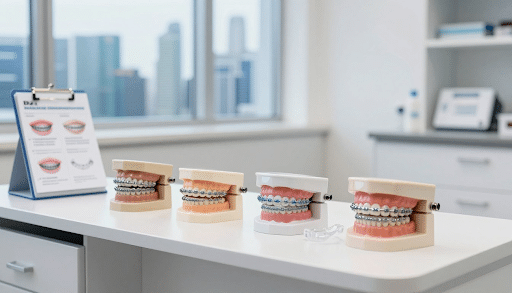
Selecting the right braces treatment option in Singapore can feel overwhelming when faced with so many choices. Whether you’re considering traditional metal braces, ceramic braces, self-ligating braces, or clear aligners, understanding each braces treatment option helps you make an informed decision. This comprehensive guide breaks down every option available, comparing effectiveness, cost, durability, aesthetics, and maintenance requirements. By the end, you’ll know exactly which braces treatment option aligns with your lifestyle, budget, and smile goals. Let’s explore each choice to find your perfect fit.
Key Takeaways
- Metal braces remain the most effective and affordable option for comprehensive teeth correction
- Ceramic braces offer better aesthetics than metal braces but cost slightly more
- Self-ligating braces reduce friction and may shorten treatment time compared to traditional braces
- Clear aligners provide the most discreet option but work best for mild to moderate cases
- The right choice depends on your budget, lifestyle, aesthetic priorities, and treatment complexity
Understanding Your Braces Treatment Options
Why a Braces Treatment Guide Matters
Multiple braces options exist today, each designed for different needs and preferences. Understanding your choices prevents costly mistakes and ensures you select a treatment aligned with your goals. A proper braces treatment guide compares not just appearance and cost, but also effectiveness, maintenance demands, and overall comfort throughout your journey.
Your lifestyle, personal priorities, and specific dental needs determine your best option. What suits your friend may not suit you. This guide helps you navigate each option objectively.
Key Braces Treatment Factors to Consider
Before choosing, evaluate five critical factors: treatment effectiveness for your specific alignment issues, total cost and payment options available, treatment duration, aesthetic impact on your appearance, and daily maintenance requirements. Each braces type scores differently across these criteria.
Your lifestyle, budget, and priorities determine which option ranks best for you personally. Someone prioritising speed values self-ligating systems. Another person prioritising discretion chooses clear aligners. Someone with budget constraints selects metal braces.
Braces Treatment Timeline: What to Expect
Most braces treatment takes 18 to 36 months depending on case complexity and braces type. Simpler cases move faster; complex crowding or bite issues take longer. Self-ligating systems sometimes reduce duration by 10 to 15 percent compared to traditional braces. Clear aligners typically take 12 to 24 months for mild to moderate cases.
Understanding realistic timelines helps you commit confidently. Impatience during treatment causes frustration, but clear expectations prevent disappointment.
Metal Braces vs Ceramic Braces: Which Is Better?
Metal Braces: The Proven Standard
Metal braces have corrected millions of smiles and remain the most reliable option for comprehensive effectiveness. Small metal brackets attach to teeth, connected by archwires that apply consistent pressure. Metal braces work reliably on complex cases, cost the least, and require no special maintenance beyond regular brushing. They’re durable, rarely break, and work quickly on severe crowding or bite problems.
Metal braces apply steady, predictable force to teeth. This consistency produces reliable results across all case types. Treatment moves teeth efficiently regardless of complexity.
Metal braces advantages:
- Most affordable option (typically SGD 3,000–5,000)
- Fastest results on severe cases
- Highest durability and reliability
- Require no patient compliance beyond hygiene
- Work on all case complexities
Metal braces considerations:
- Highly visible during treatment
- Occasional wire irritation on mouth tissues
- Food restrictions (hard, sticky items)
- More noticeable appearance during eating
Ceramic Braces: Aesthetic Appeal
Ceramic braces work identically to metal braces but use tooth-coloured brackets blending with your smile. The archwire remains visible but far less noticeable than full metal braces. Ceramic braces suit image-conscious teenagers and professionals. Treatment speed matches metal braces, making them equally effective whilst appearing more discrete.
For adults in professional environments, ceramic braces offer invisibility without sacrificing speed. Clients and colleagues notice braces far less than with metal alternatives.
Ceramic braces advantages:
- Much less visible than metal braces
- Same effectiveness as metal braces
- Comparable treatment speed
- Ideal for professional environments
- Confidence boost during treatment
Ceramic braces considerations:
- Cost 20 to 30 percent more than metal (SGD 4,000–6,500)
- Brackets are more fragile and occasionally chip
- Food and beverage restrictions similar to metal braces
- Staining possible with neglected oral hygiene
Metal Braces vs Ceramic Braces: Which Is Better?
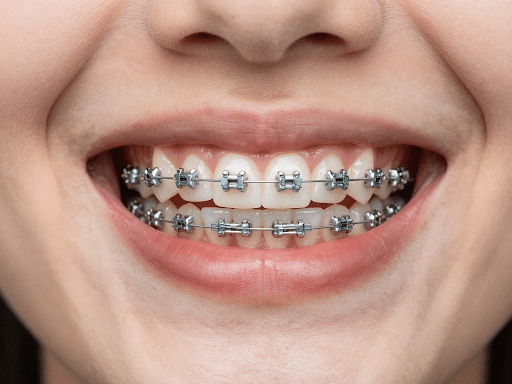
Neither option is universally “better”—it depends on your priorities. Choose metal braces if cost and reliability matter most. Select ceramic braces if aesthetics and professional image outweigh budget concerns. Both deliver excellent results within similar timelines. Effectiveness is comparable; your lifestyle and values guide the choice.
Comparison Factor | Metal Braces | Ceramic Braces |
Visibility | Highly visible | Tooth-coloured, less noticeable |
Cost | SGD 3,000–5,000 | SGD 4,000–6,500 |
Treatment speed | 18–36 months | 18–36 months |
Durability | Very durable | More fragile |
Maintenance | Standard brushing | Careful cleaning required |
Ideal for | Budget-conscious patients | Professional environments |
Self-Ligating Braces vs Traditional Braces: Key Differences
How Traditional Braces Treatment Works
Traditional braces use small rubber bands (ligatures) to hold archwires against brackets. These bands require regular replacement at every adjustment appointment. Friction between wire and bracket creates resistance, moving teeth more slowly. Traditional braces have worked successfully for decades, remaining reliable and affordable.
The rubber bands secure the archwire tightly, creating friction that limits tooth movement speed. Every appointment involves removing old bands and installing new ones.
How Self-Ligating Braces Treatment Functions
Self-ligating braces (like Damon braces) use built-in clips instead of rubber bands to hold archwires. These clips adjust automatically, reducing friction significantly. Lower friction means teeth move faster and require less pressure. Self-ligating braces often work 10 to 15 percent faster than traditional braces on comparable cases.
The clip mechanism applies gentler, more consistent force. Teeth move gradually without excessive pressure. Patients report greater comfort throughout treatment with self-ligating systems.
Self-Ligating Braces vs Traditional Braces: Main Differences
Aspect | Traditional Braces | Self-Ligating Braces |
Speed | 18–36 months | 16–30 months (typically faster) |
Comfort | Friction may cause soreness | Generally more comfortable |
Maintenance | Rubber bands replaced regularly | Fewer replacement needs |
Cost | SGD 3,000–5,000 | SGD 4,000–6,500 |
Appointment frequency | Every 4–6 weeks | Every 6–8 weeks |
Cleaning difficulty | Harder (rubber bands obstruct) | Slightly easier access |
Which is better? Self-ligating braces offer modest speed improvements and comfort benefits but cost more. Traditional braces deliver proven results at lower cost. Both work excellently; choose based on budget and comfort priorities. For many patients, the speed difference (2–6 months) doesn’t justify the additional expense.
Clear Aligners vs Metal Braces in Singapore: Cost and Comparison
How Clear Aligners Work
Clear aligners are removable trays made from smooth plastic that gradually shift teeth into position. You wear each tray for one to two weeks, then move to the next tray in the series. Treatment involves no visible brackets or wires, making aligners nearly invisible. You remove them for eating and drinking, offering flexibility traditional braces don’t provide.
Treatment begins with digital scanning of your teeth. Computer software maps tooth movement stages. Custom trays are created for each stage. You progress through the series, each tray shifting teeth millimetres closer to the final position.
Clear Aligners vs Metal Braces: Cost Comparison
Clear aligners typically cost SGD 4,000–8,000 in Singapore. Metal braces cost SGD 3,000–5,000. Clear aligners cost 20 to 40 percent more than metal braces. However, clear aligners work only on mild to moderate cases, whilst metal braces handle complex problems. For severe crowding or bite issues, clear aligners cannot work alone and sometimes require braces afterward.
Invisalign vs Metal Braces Singapore: Which Is Cheaper?
Metal braces cost less overall but work on all cases. Clear aligners cost more but offer discretion for lifestyle-conscious adults. “Which is cheaper” isn’t the only question—effectiveness matters equally. A cheap solution that doesn’t work is wasteful. Choose based on your case complexity, not price alone.
Your orthodontist determines which option actually solves your problem. Sometimes “cheaper” alignment is impossible with clear aligners. Sometimes expensive aligners cost more than metal braces would have.
Clear aligners advantages:
- Nearly invisible during treatment
- Removable for eating and cleaning
- No food restrictions
- Comfortable and smooth surfaces
- Shorter treatment duration on mild cases (12–24 months)
Clear aligners considerations:
- Higher cost than metal braces
- Require strict daily wear (20+ hours)
- Work only on mild to moderate cases
- Require discipline and commitment
- Lost or forgotten trays delay treatment
Choosing Your Ideal Braces Treatment Option
Assess Your Case Complexity
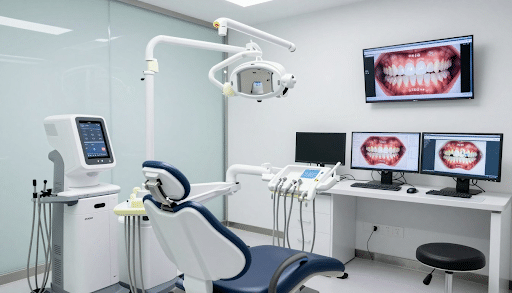
Simple alignment issues suit clear aligners. Severe crowding, deep bites, or complex jaw issues require traditional or self-ligating metal braces. Your orthodontist evaluates case severity and recommends suitable options. Attempting the wrong braces treatment option wastes money and extends timelines unnecessarily.
During consultation, ask your orthodontist which options actually work for your specific situation. Some cases have limited options despite patient preferences.
Prioritise Your Values
List your top three priorities: cost, aesthetics, speed, comfort, or convenience. Different braces types excel in different areas. Metal braces win on cost and effectiveness. Ceramic braces balance aesthetics and cost. Self-ligating braces offer comfort and modest speed gains. Clear aligners deliver discretion and convenience for suitable cases.
What matters most to you? Knowing this prevents choosing the wrong braces treatment option for your personality and lifestyle.
Consider Your Lifestyle
Professional environments favour ceramic or clear aligners. Active lifestyles suit clear aligners (no brackets to break). Limited time or compliance challenges work better with metal braces (no special wear requirements). Busy schedules appreciate self-ligating braces (longer time between appointments).
Honesty about your lifestyle prevents choosing a braces treatment option you’ll struggle maintaining. Commitment matters more than the perfect theoretical choice.
Budget Realistically
Set a realistic budget including treatment costs, monthly payments, emergency adjustments, and retainers afterward. Don’t sacrifice effectiveness for upfront savings—inadequate treatment extends timelines and costs more long-term. Most clinics offer flexible payment plans; ask about options during consultation.
Payment flexibility makes premium braces options accessible. Monthly instalments spread costs across treatment duration.
Braces Treatment Care and Daily Maintenance
Braces Treatment Timeline: What to Expect
Initial appointments involve examination, imaging, and treatment planning. Bracket placement takes about 30 minutes. Adjustment appointments every four to eight weeks take about 10 minutes. Regular visits ensure consistent tooth movement and address emerging issues. Treatment progresses in phases, each moving teeth closer to the final position.
Your first few appointments establish the foundation for successful treatment. Subsequent appointments monitor progress and make fine adjustments.
Braces Treatment Care and Daily Maintenance
Metal and ceramic braces require careful cleaning around brackets and wires. Use interdental brushes and water flossers to reach tight spaces. Avoid hard, sticky, or chewy foods that damage brackets or wires. Clear aligners require removal before eating or drinking anything except water. Aligners need daily cleaning to prevent discolouration and odour.
Neglecting maintenance during braces treatment leads to tooth decay, gum disease, and damaged braces. Daily care is non-negotiable regardless of braces type.
Managing Braces Treatment Discomfort
Minor soreness after adjustments is normal and manageable. Over-the-counter pain relief, soft foods, and warm salt water rinses ease discomfort. Severe pain isn’t normal; contact your orthodontist immediately. Most patients adapt within a few days and experience minimal ongoing discomfort.
Discomfort decreases significantly after the first week of treatment. Modern braces cause less discomfort than older systems.
Long-Term Braces Treatment Retention
After active treatment ends, retainers prevent teeth shifting backward. Permanent retainers (bonded behind teeth) work passively. Removable retainers worn nightly maintain results. Neglecting retainers risks losing progress and requiring future retreatment.
Retention matters as much as active treatment. Your orthodontist recommends a retention plan to protect your investment.
Frequently Asked Questions
Self-ligating braces work 10 to 15 percent faster than traditional metal braces on comparable cases, typically finishing in 16 to 30 months. Clear aligners work fastest on mild cases (12 to 24 months) but cannot handle severe complexity. Traditional metal braces work reliably on all cases within 18 to 36 months. Speed depends on case complexity more than braces type. Your orthodontist recommends the fastest suitable braces treatment option for your specific situation.
No—clear aligners typically cost 20 to 40 percent more than metal braces (SGD 4,000–8,000 vs SGD 3,000–5,000). However, clear aligners work only on mild to moderate cases. Metal braces cost less and handle all complexities. Choosing clear aligners for a severe case often results in switching to metal braces mid-treatment, increasing total cost. The cheapest Invisalign vs metal braces Singapore comparison depends entirely on your case. Your orthodontist determines which solves your problem most cost-effectively.
Self-ligating braces typically cause less discomfort than traditional braces because they use lower, gentler force. Reduced friction means less initial soreness after adjustments. Some patients report improved comfort throughout treatment. Pain tolerance varies individually, but clinical evidence suggests self-ligating systems are equally or more comfortable than traditional options.
Ready to Start Your Braces Journey?
Choosing the right braces treatment option sets you on the path to the smile you’ve always wanted. Whether you select metal braces for reliability and affordability, ceramic braces for discreet correction, self-ligating braces for comfort and modest speed gains, or clear aligners for invisibility, the best choice is one you’ll commit to fully.
📍 Alfred Cheng Orthodontic Clinic
Mount Elizabeth Medical Centre
3 Mount Elizabeth #03-03
Singapore 228510
🌐 Visit: https://orthodontics.com.sg/
Contact Us: orthodontics.com.sg/contact/