
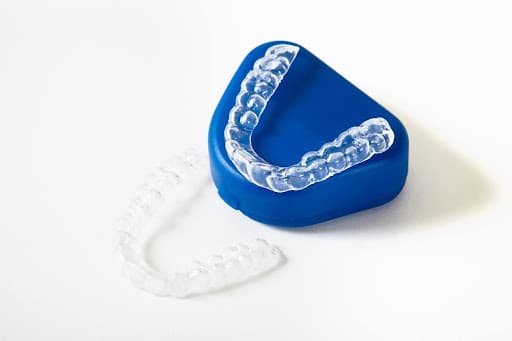
Clear aligners invisible braces Singapore cost varies significantly based on case complexity, aligner brand, treatment duration, and practitioner type, if you see a general dentist or a specialist orthodontist. No single fixed price exists across clinics, so understanding what influences your personalised quote and if the investment suits your teen’s treatment needs is essential.
Online forums often share conflicting figures that rarely match actual clinic quotes. Some clinics provide ranges upfront, others require a consultation first. This pricing inconsistency is normal in orthodontics and shouldn’t concern you, though it does make financial planning trickier. Comparing a few clinics helps most.
Key Takeaways
- Clear aligners invisible braces Singapore cost depends on case complexity, brand, provider type, and what’s bundled into the fee, so no single flat rate applies across clinics.
- If you’re wondering how much clear aligners cost in Singapore, mild cases sit at the lower end, while comprehensive bite correction and extra refinement rounds push the price up.
- Whether clear aligners are worth the price comes down to fit: the case must suit aligner treatment, your teen needs to wear them consistently, and discretion should matter enough to justify the compliance burden.
- Compliance, not cost, is often the deciding factor for teens, since aligners only work if worn 20 to 22 hours a day.
- A paid consultation (commonly around $80 before GST) gives a more accurate, case-specific quote than relying on forum estimates.
How Much Do Clear Aligners Cost in Singapore?
There isn’t a flat rate you can quote off a website and trust completely. Pricing in Singapore is generally tiered by treatment complexity and brand. Clinics typically place cases into categories like mild, moderate, and comprehensive. Mild crowding or spacing cases sit at the lower end. Cases needing significant bite correction or longer aligner series cost more.
A few concrete factors move the number up or down:
- Case complexity. Minor crowding or a small gap needs far fewer aligner trays than a full bite correction.
- Brand and technology. Premium systems with more advanced material science and monitoring tend to be priced differently from newer, budget-positioned brands.
- Provider type. A specialist orthodontist’s fee structure differs from a general dentist offering aligners as one of several services. This is largely down to differences in training, diagnostic depth, and how treatment is planned and adjusted.
- What’s bundled into the fee. Some quotes include digital scans, X-rays, refinement aligners, and a set of retainers. Others charge these separately. Always ask what’s included before comparing two quotes side by side.
- Number of refinement rounds needed. Teeth don’t always move exactly as planned, and additional aligner sets for fine-tuning can affect the total.
This is why two people with seemingly similar teeth can be quoted very differently. A clinic that explains tiered pricing clearly during consultation, rather than hiding it behind a single average figure, is generally easier to plan around and budget for.
Key insight: The number you see quoted online is rarely the number you’ll pay. Case complexity and what’s bundled into the fee matter more than the brand name on the box.
Clear Aligners vs Traditional Braces: What's Actually Different
Teens researching this often land on one question. Are invisible aligners actually better, or just more discreet? The honest answer is that both work well for the right case. They just solve slightly different problems.
|
Factor |
Clear Aligners |
Traditional Metal Braces |
|
Visibility |
Nearly invisible, removable |
Visible, fixed to teeth |
|
Best for |
Mild to moderate misalignment |
Mild to severe, including complex bite issues |
|
Diet restrictions |
None, aligners come out to eat |
Some foods to avoid |
|
Oral hygiene |
Easier, brush and floss normally |
Requires more care around brackets |
|
Compliance needed |
High, must wear 20-22 hours a day |
Low, always working |
|
Sports/instruments |
Generally comfortable |
Occasional adjustment period |
For teenagers specifically, compliance is the deciding factor most parents underestimate. Aligners only work if they’re worn consistently. A teen who loses trays, forgets to put them back in after lunch, or skips them for a big event won’t get the results they’re paying for. Metal or ceramic braces remove that variable entirely because they can’t be taken out. If you’re weighing your teen’s honesty and discipline around wearing something removable, that conversation matters more than the brand comparison.
For families who decide fixed treatment is the safer route, traditional metal braces remain a well-proven, cost-effective option that doesn’t rely on daily compliance.
Invisalign, Zenyum and Other Brands: A Fair Comparison
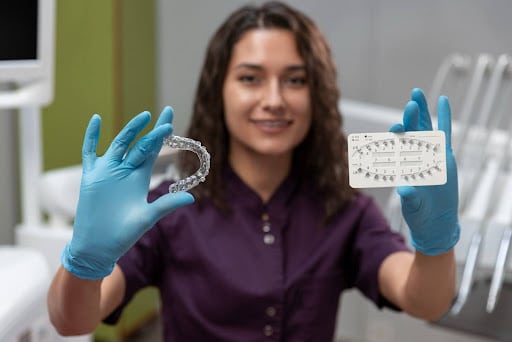
Neither option is universally “better.” Each comes with genuine trade-offs, and a fair comparison should put them side by side honestly.
Invisalign versus Zenyum: The Main Contenders
Most people researching clear aligners invisible braces Singapore cost eventually land on the Invisalign versus Zenyum debate. These are the two most talked-about names locally. The core difference generally comes down to positioning. Invisalign is the longer-established, globally used system with an extensive track record across complex cases. Zenyum has built its reputation around a more affordable, teleorthodontics-style model with remote monitoring for simpler cases.
Why Monitoring and Materials Matter
That distinction in monitoring approach and material technology is worth understanding before you compare quotes. How the two brands differ in treatment oversight and aligner material shapes what kind of case each is realistically suited for. Simpler cosmetic corrections may suit a lighter-touch monitoring model. Cases involving bite correction generally benefit from more frequent in-person specialist review.
Beyond Invisalign and Zenyum
Beyond these two, Singapore’s market includes several other systems. Pricing tiers among these premium and mid-range aligner brands can differ meaningfully depending on the technology used and the level of clinical oversight built into the treatment plan. Reader roundups of popular clinics and aligner options in Singapore also show that many families weigh convenience, clinic reputation, and reviews just as heavily as brand name when making a final decision.
Specialist-Led Clinics: Alfred Cheng as an Example
Alfred Cheng Orthodontic Clinic is one option among these for families comparing providers. It’s positioned around specialist-led, personalised treatment planning across clear aligners and other correction methods, with digital scanning used to map out the case before treatment starts. Like any specialist-led clinic, it may sit at a different price point than teleorthodontics-style providers. That trade-off between specialist oversight and lower-touch monitoring is worth weighing honestly, rather than assuming one approach is universally “better.”
Key insight: The Invisalign-versus-Zenyum decision isn’t really about which brand is superior. It’s about whether your teen’s case needs frequent specialist review or can be managed with lighter, remote monitoring.
Are Clear Aligners Worth the Price for Teens?
This is the question parents actually lose sleep over. It deserves an honest answer rather than a sales pitch.
Clear aligners are worth the price when three things line up: the case is genuinely suited to aligner treatment, the teen is realistically going to wear them as instructed, and the family values the discretion enough to accept the higher compliance burden compared to fixed braces. If any one of those isn’t true, a teen may get better value and better results from traditional braces instead.
The emotional side matters too. Teenage years come with enough self-consciousness already. Many teens describe visible metal braces as one more thing they feel judged for at school. For some, that alone justifies choosing aligners even at a higher cost. For others, ceramic braces offer a middle ground. They’re fixed and reliable like metal braces, but far less noticeable, without depending on daily discipline to remove and reinsert trays.
There’s no universally correct answer here. A clinic that’s honest about which option suits your teen’s specific bite, lifestyle, and personality is more valuable than one that pushes the priciest system by default. If your teen is highly organised and motivated, aligners can deliver excellent, nearly invisible results. If compliance is a genuine worry, name that worry out loud during the consultation. Don’t wait to discover it six months into treatment.
What Happens During a Clear Aligner Consultation
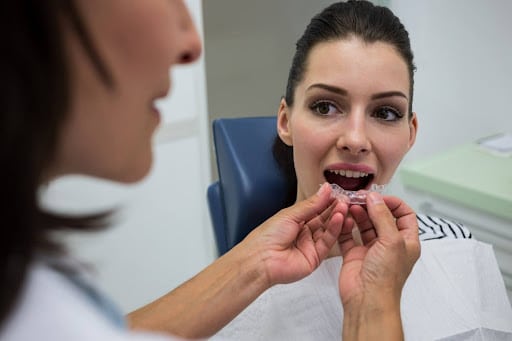
Before committing to any treatment, most reputable clinics start with a consultation to assess whether aligners are actually the right fit. This typically runs about 15 to 30 minutes. It involves a visual examination, sometimes digital scans or X-rays, and a discussion of what treatment would realistically involve for that specific case.
It’s worth knowing upfront that this consultation is generally not complimentary. At many specialist clinics, including through an orthodontic consultation, the initial visit carries a fee (commonly around $80 before GST at some clinics). This reflects the professional assessment and diagnostic time involved rather than a sales appointment. Paying for a proper diagnostic visit, rather than a rushed free assessment, often means a more thorough evaluation and a treatment plan you can actually trust.
Questions worth bringing to that consultation:
- Is my teen’s case suited to aligners, or would fixed braces give a more predictable result?
- What’s included in the quoted fee, and what would cost extra?
- How many aligner trays does this treatment plan involve, and what happens if refinements are needed?
- What’s the expected treatment duration for this specific case?
- What happens if my teen isn’t wearing the aligners enough hours per day?
A clinic willing to answer all five clearly, without pressure, is usually one worth trusting with a multi-month or multi-year commitment. You can learn more about the clinic’s approach to orthodontic care before booking. It’s also reasonable to ask several clinics the same five questions. Compare not just the numbers but how clearly each one explains their reasoning.
Frequently Asked Questions
There’s no single published figure because Invisalign pricing depends on case complexity, the specific aligner package used, and the provider. Simpler cases involving minor spacing or crowding are typically priced lower than comprehensive cases involving bite correction. The only reliable way to get an accurate figure for a specific case is through an in-person or scan-based assessment.
Whether a figure feels reasonable depends entirely on what the case involves and what’s included in that fee. A comprehensive case with extensive tooth movement, multiple refinement rounds, and retainers bundled in will naturally cost more than a simple cosmetic correction. Rather than comparing a single number against forum posts, it’s more useful to ask what specifically that quote covers and how it compares to another clinic’s quote for the same scope of work.
Similarly, this depends heavily on complexity and inclusions. Higher figures often reflect comprehensive treatment involving more aligner trays, longer monitoring, and full retainer sets, rather than the clinic simply charging more for the same scope. It’s reasonable to ask a clinic to break down why a quote sits where it does, rather than assuming a higher number means poor value or a lower number means a shortcut.
No. Aligner treatment is driven by tooth and gum health, not age. Adults in their 30s, 40s, and beyond routinely use clear aligners successfully, provided their teeth and gums are healthy enough to support movement. For teenagers, the more relevant consideration isn’t age but whether enough adult teeth have erupted for treatment to proceed effectively. A specialist can confirm this during assessment.
They can be, but it depends on fit and follow-through. Aligners suit teens who are organised enough to wear trays for the recommended hours daily and who value discretion highly enough to accept that responsibility. For teens who struggle with consistency, fixed options like metal braces or ceramic braces often deliver more predictable results because they don’t rely on the wearer remembering to put them back in.
Making the Decision With Your Teen
Choosing between clear aligners and traditional braces isn’t really about cost alone, even though cost is what starts most of these searches. It’s about matching the treatment to your teen’s actual habits, their bite complexity, and how much discretion matters to them socially. A good consultation should walk through all three honestly, not just hand over a price list.
If you’re ready to get a proper assessment rather than guessing from forum posts and price comparisons, book a consultation to find out what clear aligners invisible braces Singapore cost would realistically look like for your teen’s specific case.
📍 Alfred Cheng Orthodontic Clinic
Mount Elizabeth Medical Centre
3 Mount Elizabeth #03-03
Singapore 228510
🌐 Visit: https://orthodontics.com.sg/
Contact Us: orthodontics.com.sg/contact/