
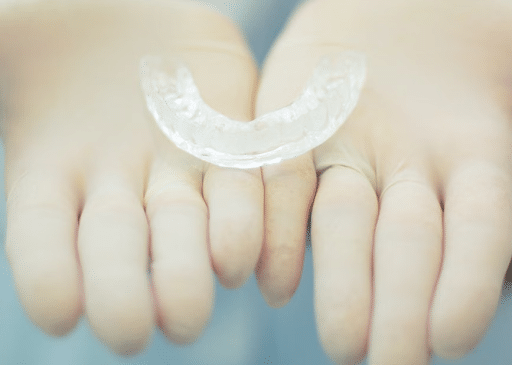
Are clear aligners painful? For most patients, no, not in the way people expect. Clear aligners typically cause pressure, tightness or mild soreness rather than sharp pain, and this tends to ease within a few days of each new tray. The discomfort follows a predictable pattern tied to your tray-change schedule, peaking in the first day or two and settling by day three or four.
It’s generally milder than the discomfort caused by traditional braces, since there are no wires or brackets to irritate the soft tissue inside your mouth. Understanding what causes this discomfort, and how to manage it, makes the whole process far less daunting.
Key Takeaways
- Clear aligners typically cause pressure and tenderness, not sharp or lasting pain, particularly during the first few days of a new tray.
- Discomfort usually peaks between day one and day three after switching trays, then fades as your teeth adjust.
- Compared with fixed braces, aligner discomfort is generally milder because there are no wires or brackets to irritate soft tissue.
- Soft foods, cold water and standard over-the-counter pain relief handle most soreness without needing a clinic visit.
- Sharp pain, swelling, or discomfort that does not settle after several days is a signal to contact your orthodontist promptly.
What Discomfort Actually Feels Like
Most people who ask “are clear aligners painful” or “do aligners hurt” are picturing something closer to a toothache. That’s not usually what happens. The sensation is better described as pressure rather than pain.
Your teeth are anchored in the jawbone by a ligament that responds to gentle, sustained force by remodelling bone on either side of the root. This is exactly how aligners (and braces) achieve tooth movement. The ligament reacts to that new pressure with tenderness, which is a sign the tray is doing its job rather than something going wrong.
Common Sensations During Aligner Treatment
Patients tend to describe one or more of the following:
Sensation | What causes it | How long it typically lasts |
Tightness or pressure | New tray pushing teeth toward the next position | First 1-3 days after each change |
Mild soreness when biting | Ligament adjusting to new force | 2-4 days |
Tongue or cheek rubbing | Tray edge not yet smoothed by tissue adaptation | First 1-2 weeks of overall treatment |
A “different bite” feeling | Teeth shifting slightly out of their old contact points | Usually resolves as you adjust to each tray |
None of these should stop you eating, speaking or sleeping normally for more than a couple of days. If a sensation is sharp, localised to one spot, or lasts well beyond that window, it’s worth flagging rather than waiting it out.
Key insight: Tenderness after a new tray is a sign your teeth are moving, not a sign something has gone wrong. It’s the same mechanism that makes braces work, just delivered more gently.
When Discomfort Tends to Happen
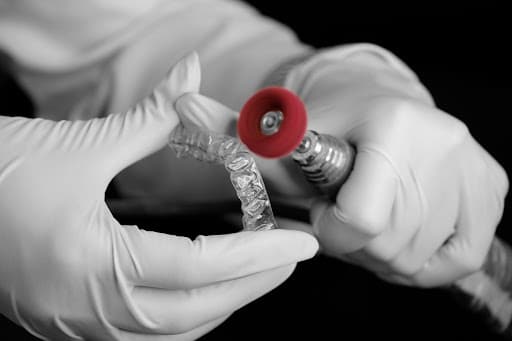
Aligner soreness isn’t random. It follows a fairly predictable pattern tied to your tray-change schedule, which is why so many patients ask whether clear aligners are painful only during the first few days of each new tray rather than throughout treatment.
The First 1-3 Days of a New Tray
Each new tray in your series is slightly different from the last, nudging your teeth a small increment closer to their final position. That shift is why the first few days after switching trays tend to feel the most noticeable. Many patients find the discomfort strongest on day one, easing steadily by day three, and largely gone by the time the next tray is due.
Switching to a new tray before bed is a practical habit many find helpful. It gives your mouth several hours of adjustment time while you sleep, so the peak of the pressure often passes before you’re back to talking, eating and going about your day.
Early in Overall Treatment
Aside from tray changes, the first one to two weeks of wearing aligners at all tends to bring a different kind of discomfort: the tray edges rubbing against your cheeks, lips or tongue. This settles once your mouth tissue adapts, and it rarely recurs later in treatment. If you’re still deciding between options, our guide on clear aligners in Singapore covers what the day-to-day experience looks like from start to finish.
Clear Aligners vs Braces: Comparing the Discomfort
This is the comparison most prospective patients actually want answered. Both treatments move teeth using sustained pressure, so some soreness is expected either way. The experience differs mainly in where the discomfort comes from and how consistent it feels.
Factor | Clear Aligners | Traditional Braces |
Source of discomfort | Even pressure from the tray plastic against all teeth in contact | Pressure from wire tension, concentrated at brackets |
Soft tissue irritation | Occasional tray-edge rubbing, usually resolves with tissue adaptation | Wire ends and brackets can catch cheeks and lips throughout treatment |
Pattern of soreness | Peaks for 1-3 days after each new tray, then settles | Peaks for several days after each adjustment appointment, roughly every 4-6 weeks |
Ability to pause discomfort | Aligners are removable, so you get a short break during meals or events | Fixed to the teeth; no removal until treatment or adjustment stage is complete |
Emergency-type issues | Rare; mainly a rough edge needing a trim | Wire pokes or a loose bracket can need prompt attention |
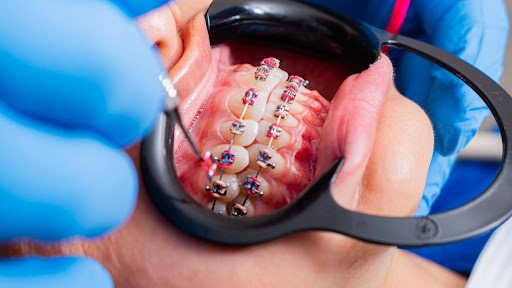
If you’re weighing this decision more broadly, our braces page sets out how fixed appliances work, and our earlier post on managing pain and discomfort for new brace wearers is worth reading if braces are still on your shortlist.
Key insight: Aligner discomfort tends to be more predictable and shorter-lived than brace discomfort, largely because there are no wires or brackets involved, but neither option is entirely free of adjustment soreness.
Managing Aligner Soreness Day to Day
Most clear aligner pain relief doesn’t require anything beyond basic, sensible steps. These are the same measures dentists commonly recommend for orthodontic discomfort generally, and they apply just as well here.
Diet and Temperature Adjustments
- Stick to softer foods for the first day or two after a new tray, particularly if biting feels tender.
- Cold water, held in the mouth for a few seconds at a time, has a mild numbing effect that many find soothing.
- Avoid very hot drinks or food immediately after inserting a new tray, since heat can heighten sensitivity.
Simple Physical Relief
- A cold compress held against the outside of the jaw for short periods can ease general soreness.
- Gently opening and closing the jaw a few times can help loosen tight muscles, particularly if discomfort feels more muscular than dental.
- Orthodontic wax placed over a tray edge that’s rubbing against your cheek or lip is a standard, safe fix while your tissue adapts.
Over-the-Counter Pain Relief
Standard over-the-counter pain relief, such as paracetamol, is commonly used for the first day or two of a new tray if discomfort is bothersome enough to interfere with eating or sleep. As with any medication, check the packaging for correct dosing and speak to a pharmacist if you have existing health conditions or are taking other medication. This should be a short-term measure, not something you rely on for weeks at a time.
A note on hygiene: keep aligners clean using your toothbrush and lukewarm water rather than hot water, which can warp the plastic and affect fit. Warped trays fit less precisely and can cause more irritation, not less.
Key insight: Most soreness responds well to simple measures like cold water, soft foods and short-term over-the-counter relief, and typically eases on its own within three to four days.
When to Contact Your Orthodontist
Some discomfort is expected. Certain signs are not, and those are worth a call rather than waiting it out.
Get in touch with your orthodontist if you notice:
- Sharp or throbbing pain that doesn’t ease after four to five days
- Pain localised to a single tooth that seems to be getting worse rather than better
- A tray that never feels fully seated, or visibly doesn’t sit flush against your teeth
- Persistent ulcers, cuts or swelling inside the cheek or lip that wax doesn’t resolve
- Any sign of infection, such as swelling, warmth or pus around the gums
These situations are uncommon, but they’re the ones where trying to push through isn’t the right call. Fit issues, in particular, are usually a quick fix once seen, whereas leaving them unaddressed can slow your treatment progress or cause avoidable irritation.
If you’re not yet a patient and want a clinical opinion before starting treatment, a consultation typically runs between 15 and 30 minutes and costs $80 before GST. You can find more detail on our clear aligners page, or get in touch through our contact page to arrange a visit.
Research summarised by the NHS on orthodontic treatment generally notes that mild discomfort after adjustments or new appliances is expected and usually manageable with simple pain relief, which aligns with what most clear aligner patients experience.
Frequently Asked Questions
It varies, but most patients describe pressure and tenderness rather than genuine pain. How noticeable it feels depends on factors like how much movement a particular tray is asking of your teeth and your individual sensitivity, but severe or lasting pain is not typical.
Yes, mild soreness or pressure with each new tray is common and expected. It’s usually most noticeable for the first one to three days, then fades until the next tray. If you find it’s getting worse with each tray rather than settling into a predictable pattern, mention it at your next check-up.
There’s no way to switch off the underlying process, since the tenderness comes from your teeth genuinely moving. However, timing your tray changes for the evening, sticking to soft foods for a day or two, and using cold water or a cold compress can make the adjustment period more comfortable while your teeth settle.
No. Removing your aligners for longer than recommended can actually prolong discomfort, because your teeth partially relax back before the tray is reinserted, meaning you experience the adjustment pressure all over again. If pain is significant enough that you’re tempted to leave them out, that’s a sign to contact your orthodontist rather than pausing wear on your own.
Ready to find out what clear aligner treatment would involve for you?
Book a consultation with our team — 15 to 30 minutes, $80 before GST — and get a clear, personalised view of your treatment plan, timeline and what to expect for comfort along the way.