
Are you dealing with chronic jaw pain, difficulty chewing or a bite that does not line up? These could be signs you need jaw surgery. Jaw surgery, or orthognathic surgery, corrects skeletal misalignments in the upper jaw, lower jaw or both that braces alone cannot fix.
At Alfred Cheng Orthodontic Clinic in Singapore, we help patients identify early jaw surgery symptoms and determine the right treatment path. This guide breaks down the key jaw misalignment signs, the indications for orthognathic surgery and when to consider jaw surgery.
Key Takeaways
✅ Persistent jaw pain and clicking are common signs you need jaw surgery.
✅ A bite that does not close properly points to jaw misalignment signs.
✅ Breathing difficulties during sleep may indicate the need for surgical correction.
✅ Early jaw surgery symptoms should be assessed by an orthodontist promptly.
✅ Jaw surgery has a success rate of nearly 94% (Cleveland Clinic).
What Are the Most Common Signs You Need Jaw Surgery?
Definition:📌 Signs you need jaw surgery are persistent functional or structural symptoms caused by a skeletal jaw misalignment that orthodontic treatment alone cannot correct.
Not every bite issue requires surgery. However, certain signs you need jaw surgery should not be ignored. These symptoms typically involve the bones of the jaw rather than the teeth alone, which is why braces or clear aligners may not be enough to resolve them.
According to Mayo Clinic, jaw surgery may be necessary when the jaws do not align properly and non-surgical treatments have not produced results. Recognising these signs early gives you more treatment options and can prevent the problem from worsening over time.
Here are the key early jaw surgery symptoms to watch for.
Related Services: 👉 Jaw Surgery at Alfred Cheng Orthodontic Clinic | Clear Aligners
From Our Blog: 📖 What Is Jaw Surgery? A Complete Guide to Types, Procedure and Recovery | How Clear Aligners Work
📞 Concerned about your jaw alignment? Book a Consultation
Difficulty Chewing or Biting Food Properly

One of the most noticeable signs you need jaw surgery is trouble chewing or biting into food. If your upper and lower teeth do not meet when you close your mouth, everyday meals become a challenge. You may find yourself chewing on one side only, avoiding certain foods or experiencing discomfort during meals.
This is a classic jaw misalignment sign. When the skeletal structure of the jaw is off, the teeth cannot come together as they should. Braces can correct tooth positioning, but if the underlying bone is misaligned, surgical correction may be the only long-term solution.
If difficulty chewing has been a persistent issue for you or your child, it is worth seeking a professional assessment. An orthodontist can determine if the problem is dental or skeletal in nature.
Related Services: 👉 Metal Braces | Ceramic Braces
From Our Blog: 📖 Top 5 Benefits of Ceramic Braces in Singapore
📞 Struggling with chewing or biting? Get an Expert Assessment
Chronic Jaw Pain, Clicking or Locking

Persistent jaw pain is among the most reported early jaw surgery symptoms. If your jaw clicks, pops or locks when you open or close your mouth, this may indicate a TMJ (temporomandibular joint) disorder linked to a structural jaw problem.
Definition:📌 TMJ disorders are conditions affecting the joint that connects the lower jaw to the skull, often causing pain, stiffness and limited movement.
Jaw surgery can treat TMJ disorders when conservative treatments such as splints or medication have not worked. Chronic jaw pain that radiates to your ear, temples or neck is a strong indication that the jaw structure itself may need correction.
Not all TMJ pain requires surgery. But when the pain is persistent, interferes with daily life and does not respond to non-surgical treatments, it becomes one of the clear indications for orthognathic surgery.
Related Services: 👉 Modification Treatment | Damon Braces
From Our Blog: 📖 Damon Braces Singapore: Complete Guide on Costs, Benefits and Results | Solutions for Crooked Teeth
📞 Dealing with jaw pain or clicking? Schedule Your Assessment
Open Bite, Underbite or Severe Overbite
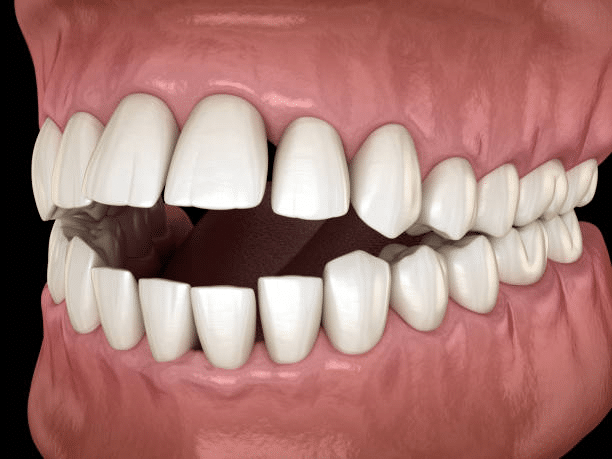
A bite that does not close properly is one of the most visible jaw misalignment signs. An open bite means the front teeth do not touch when the mouth is closed. An underbite occurs when the lower jaw extends beyond the upper jaw. A severe overbite means the upper teeth overlap the lower teeth excessively.
These conditions often stem from skeletal discrepancies rather than tooth positioning alone. According to a study published in Seminars in Plastic Surgery, orthognathic surgery is indicated when the jaw discrepancy is too large for orthodontic treatment alone to correct.
If you or your child has been wearing braces but the bite still does not align, this may be one of the signs you need jaw surgery. An orthodontist can assess the skeletal relationship between the jaws using 3D imaging and clinical examination.
Related Services: 👉 Braces for Kids | Braces for Students and Teens
From Our Blog: 📖 5 Signs Your Child Might Need Braces | Are Dental Braces Right for You?
📞 Concerned about an open bite, underbite or overbite? Book a Consultation
Breathing Difficulties or Sleep Apnoea
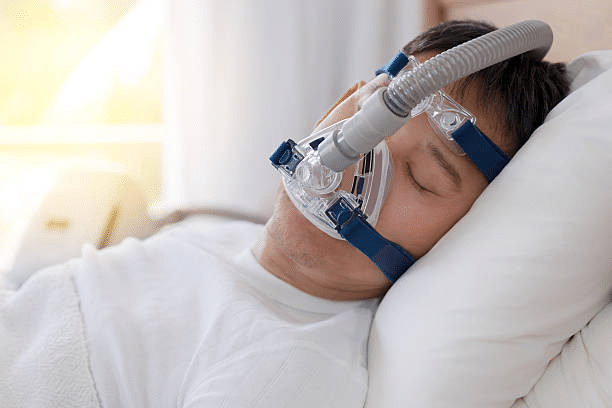
Breathing problems during sleep are a less obvious but serious indication for orthognathic surgery. When the lower jaw sits too far back, it can restrict the airway, leading to snoring or obstructive sleep apnoea (OSA). If you wake up feeling unrested, experience daytime fatigue or have been told you stop breathing during sleep, jaw positioning may be a contributing factor.
According to SingHealth, orthognathic surgery may be recommended for patients whose sleep apnoea does not respond to other treatments such as CPAP machines or oral appliances. By advancing the jaws forward, surgery opens the airway and improves breathing permanently. This is one of the key indications for orthognathic surgery that many patients are not aware of.
Sleep-related breathing issues are often overlooked as early jaw surgery symptoms. Parents should pay particular attention if their child breathes through the mouth habitually, snores heavily or has restless sleep. These may be jaw misalignment signs that warrant an orthodontic evaluation sooner rather than later.
Related Services: 👉 Jaw Surgery | About Dr Alfred Cheng
From Our Blog: 📖 Innovative Orthodontic Treatment for All Ages
📞 Experiencing breathing difficulties or sleep apnoea? Get a Professional Assessment
Facial Asymmetry or Protruding Jaw
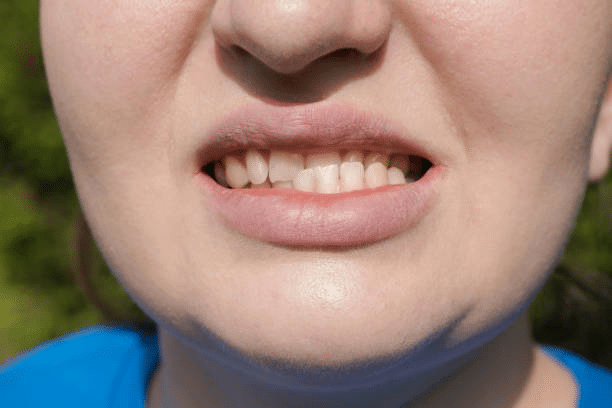
Noticeable facial imbalance is another of the jaw misalignment signs that may point to a skeletal issue. If one side of the face appears different from the other, or the chin juts forward or recedes significantly, the jaw bones may not be growing evenly.
Facial asymmetry can develop gradually, making it easy to overlook. However, when the imbalance affects function such as chewing, speaking or breathing, it becomes one of the indications for orthognathic surgery. A protruding or receding chin that causes difficulty closing the lips comfortably is also a common sign. Many patients only notice these jaw misalignment signs when viewing photos or when others point them out.
In younger patients, an orthodontist can monitor jaw growth over time and recommend when to consider jaw surgery if the asymmetry does not self-correct. Early assessment is especially important for teens, as jaw growth typically completes between 16 and 18 years of age. Identifying these signs you need jaw surgery early on allows for better treatment planning and smoother outcomes.
Related Services: 👉 Common Questions | Brace Care
From Our Blog: 📖 Buck Teeth No More: Straightening Solutions for All Ages | Everything You Need to Know About Retainer Care
📞 Noticing facial asymmetry or a protruding jaw? Speak to Our Team
Speech Difficulties Linked to Jaw Positioning
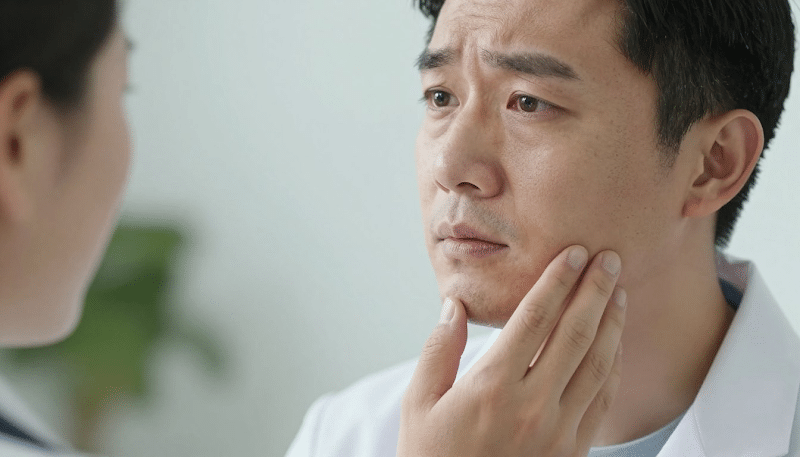
Speech problems are among the less recognised signs you need jaw surgery. A misaligned jaw can affect how the tongue, lips and teeth work together to produce sounds. Patients may experience a lisp, slurred speech or difficulty pronouncing certain words clearly.
If speech therapy has not resolved the issue, the root cause may be structural rather than muscular. In such cases, correcting the jaw alignment through surgery can improve speech clarity significantly. This is an important consideration for parents evaluating when to consider jaw surgery for their child.
Speech-related early jaw surgery symptoms are often attributed to other causes, which is why a thorough orthodontic assessment is valuable. An orthodontist can evaluate the relationship between jaw positioning and speech patterns to determine if surgical correction would help.
Related Services: 👉 All Orthodontic Services | Contact Us
From Our Blog: 📖 Understanding How Braces Work: The Science of Moving Teeth
📞 Speech difficulties linked to jaw alignment? Book a Consultation
Quick Checklist: Do You Recognise These Jaw Misalignment Signs?
| Sign | Possible Indication | Action |
| Difficulty chewing or biting | Skeletal jaw misalignment | Consult an orthodontist |
| Chronic jaw pain or clicking | TMJ disorder | Seek professional assessment |
| Open bite, underbite or overbite | Bone-level discrepancy | Evaluate with 3D imaging |
| Snoring or sleep apnoea | Restricted airway from jaw position | Discuss surgical options |
| Facial asymmetry | Uneven jaw growth | Monitor and assess early |
| Speech difficulties | Structural jaw issue | Rule out skeletal cause |
| Inability to close lips comfortably | Jaw protrusion or recession | Book a consultation |
Frequently Asked Questions About Signs You Need Jaw Surgery
1. How do I know if I need jaw surgery or just braces?
Braces correct tooth positioning, while jaw surgery corrects the bone structure. If your bite does not improve after orthodontic treatment or the misalignment is skeletal, these are signs you need jaw surgery. An orthodontist can assess this using clinical examination and imaging.
2. At what age can someone have jaw surgery?
Most patients need to wait until their jaws have finished growing, which is typically around 16 to 18 years of age. However, early orthodontic assessment in childhood can help identify jaw misalignment signs and plan for future treatment.
3. Can jaw misalignment get worse over time?
Yes. Without treatment, jaw misalignment can worsen and lead to increased pain, further bite deterioration and additional dental problems. Recognising early jaw surgery symptoms and seeking assessment promptly can prevent complications.
4. What happens during a jaw surgery consultation?
During a consultation, the orthodontist will examine your bite, take 3D scans and X-rays, and discuss your symptoms. This assessment determines if the issue is dental or skeletal and outlines the recommended treatment plan, including if surgery is needed.
Related Services: 👉 About Dr Alfred Cheng | Jaw Surgery
From Our Blog: 📖 Affordable Clear Aligners in Singapore | Metal Braces Cost in Singapore
📞 Get Your Questions Answered in Person. Book a Consultation
Take the First Step: Get Your Jaw Assessed Today
If you recognise any of the signs you need jaw surgery described in this guide, the most important step is a professional assessment. Early evaluation gives you more treatment options and a clearer understanding of what to expect. Jaw misalignment signs that are addressed early tend to result in smoother treatment journeys and more predictable outcomes.
At Alfred Cheng Orthodontic Clinic, our team provides comprehensive orthodontic assessments and works closely with oral surgeons to guide patients through every stage of jaw correction treatment in Singapore. From identifying early jaw surgery symptoms to post-surgical orthodontic care, we are here to support you at every step.
Do not wait for symptoms to worsen. Book a consultation today to discuss your concerns and explore your options.
📞 Schedule Your Consultation Now | 📱 WhatsApp Us
Explore Our Services
📍 Alfred Cheng Orthodontic Clinic
Mount Elizabeth Medical Centre
3 Mount Elizabeth #03-03
Singapore 228510🌐 Visit: https://orthodontics.com.sg/