
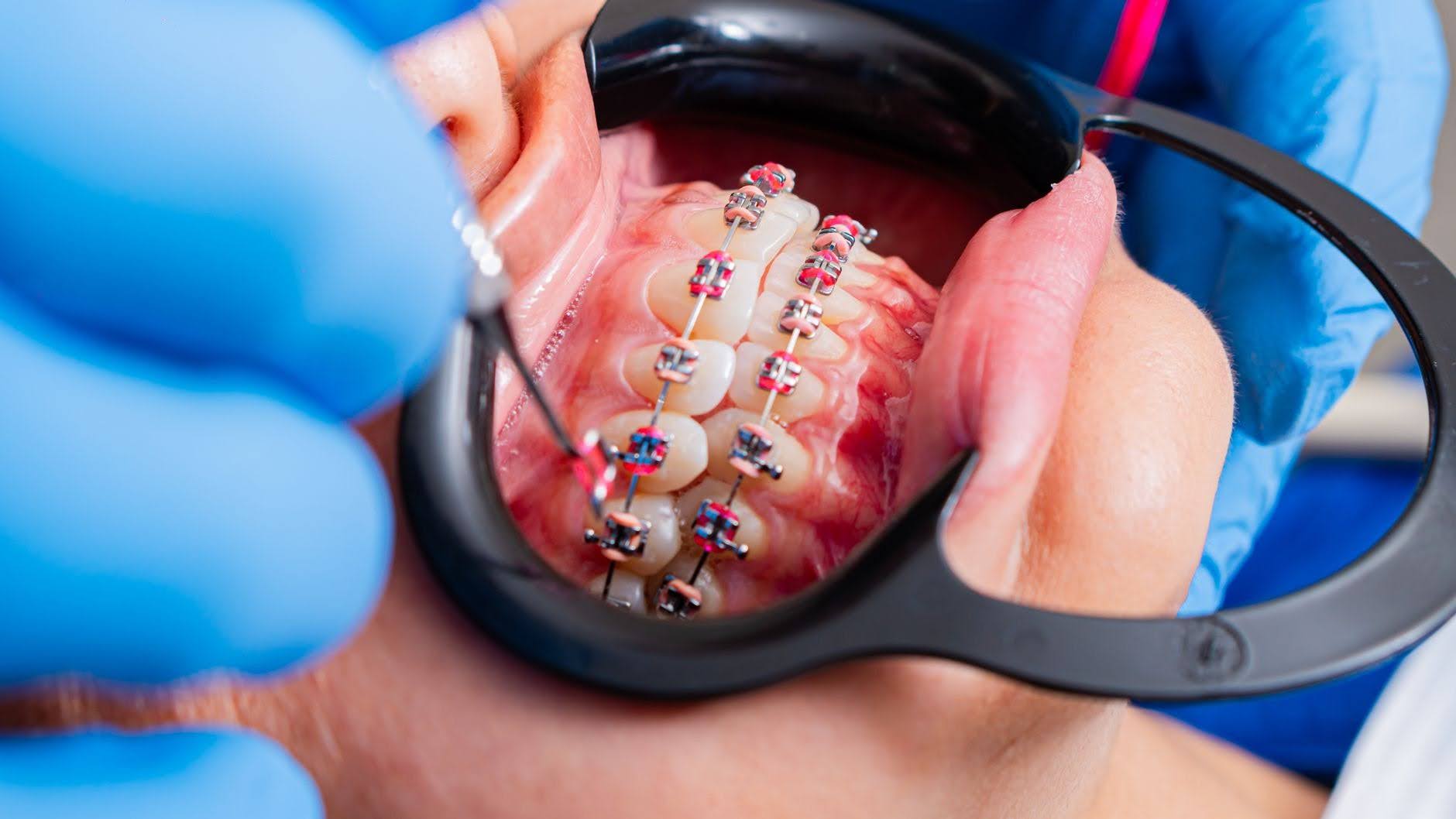
Metal braces are stronger, more durable, and generally more affordable. Ceramic braces blend in with teeth but are more brittle and slightly pricier. For most children, metal braces are the practical first choice, since they withstand active play and mixed dentition better, while ceramic remains a reasonable option for older, more careful teens who want a subtler look.
If you’re a parent weighing metal braces vs ceramic braces for your child, you’re likely balancing looks, cost, and how well the braces will hold up to a kid being a kid. This guide walks through how each bracket type works, where they genuinely differ, and how the decision changes for a growing child versus an adult.
Key Takeaways
- When comparing metal braces vs ceramic braces, both use the same archwire mechanism, so effectiveness is equal; only the bracket material differs.
- Wondering which is better, metal braces vs ceramic braces? It depends on your child’s age, activity level, and how much appearance matters to them.
- Looking at ceramic braces vs metal braces pros and cons, metal wins on durability and cost, while ceramic wins on a subtler look.
- If you’re asking which braces type is most durable, metal braces resist chipping and cracking far better under sports or accidental impact.
- Cost differences between the two are usually smaller than expected, since case complexity and treatment length matter more than bracket material alone.
Metal Braces vs Ceramic Braces: The Quick Answer
The main difference between metal and ceramic braces is the bracket material, which affects visibility, strength, cost, and comfort. Both systems use the same archwire mechanism to move teeth, so treatment effectiveness doesn’t change; only how the braces look and hold up does.
Factor | Metal Braces | Ceramic Braces |
Visibility | Silver, clearly visible | Tooth-coloured, blends in |
Strength | Very strong, resists breakage | More brittle, can chip under heavy impact |
Best suited for | Younger children, active kids, contact sports | Older teens and adults who are more careful |
Cost | Generally more affordable | Generally higher due to material and technique |
Staining risk | Minimal (metal doesn’t stain) | Clear ties can discolour without good hygiene |
Bracket size | Smaller, smoother modern designs | Slightly bulkier due to ceramic material |
Treatment time | Comparable in most cases | Comparable in most cases |
How Metal and Ceramic Braces Actually Work
Both metal and ceramic braces rely on the same basic engineering. A small bracket is bonded to the front surface of each tooth, and a thin archwire threads through all the brackets, held in place with small elastic ties or, in self-ligating designs, a built-in clip. The archwire is shaped to the desired final position of the teeth, so it constantly nudges them a little at a time. As the teeth respond, the orthodontist adjusts or replaces the wire at review visits to keep gentle pressure moving in the right direction.
The mechanical principle doesn’t change based on bracket material. What changes is the surface friction between the wire and the bracket, the strength of the bracket itself, and how it looks against the tooth. Metal brackets are made from stainless steel or a similar alloy, which is why they’re so resistant to cracking or snapping. Ceramic brackets are made from a crystalline or polycrystalline material engineered to match the natural shade of teeth. This is what gives them their near-invisible look but also makes them somewhat less forgiving of hard knocks. Both bracket materials work by applying continuous, gentle pressure through the archwire to gradually reposition teeth over months or years.
Key insight: Ceramic brackets aren’t weaker at moving teeth; they’re just more brittle as a material. The force that straightens teeth comes from the archwire, not the bracket, so a ceramic bracket can be just as effective clinically. The trade-off shows up in resistance to impact, not treatment outcome.
Metal Braces vs Ceramic Braces: Pros and Cons
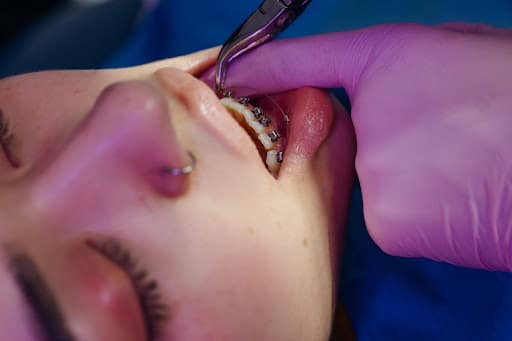
Neither option is universally “better.” Each comes with genuine trade-offs, and a fair comparison should put them side by side honestly.
Metal braces:
- More affordable than ceramic in most cases
- Highly durable and resistant to chipping or cracking
- Smaller, smoother modern bracket designs are more comfortable than older versions
- No risk of staining, since metal doesn’t absorb pigment
- Well suited to children who play sports, chew on pens, or aren’t yet great at careful oral hygiene
Ceramic braces:
- Far less visible, which some children and teens strongly prefer
- Just as effective as metal for most alignment and bite issues
- Available with clear or tooth-shade ties for a more discreet look
- Slightly higher cost due to material and the extra care needed in bonding and removal
- More prone to chipping under hard impact, and clear elastic ties can discolour from foods like curry, coffee, or red sauces if oral hygiene slips
- Brackets are typically a little bulkier than the newest metal designs
The honest summary: metal wins on durability and cost, ceramic wins on appearance. If your child genuinely doesn’t mind visible brackets, there’s no clinical reason to pay more for ceramic. If the appearance matters a great deal to them, particularly in the teenage years, ceramic is a reasonable investment as long as they can manage the hygiene routine.
Which Braces Are More Durable?
This is one of the most practical questions parents ask, and it deserves a direct answer: metal braces are the more durable option. Stainless steel brackets can absorb knocks from sports, falls, or accidental impact from cutlery or hard foods without cracking. Ceramic brackets are engineered to be strong under normal biting and chewing forces. But they’re more likely to chip or fracture if hit directly, for example during a fall on the playground or contact during sport.
This matters more for children than adults, simply because childhood is full of unpredictable physical activity. A ceramic bracket that chips doesn’t just look untidy, it can also mean an unscheduled visit to replace it, which adds time and cost to treatment. That’s not a reason to rule ceramic out entirely, but it is a reason to think honestly about how careful your child is likely to be, and whether they play contact sports where a mouthguard and braces need to coexist. A properly fitted mouthguard is recommended for any child in contact sports, regardless of bracket type, precisely because impact risk applies to natural teeth as well as braces.
Self-ligating braces, which use a built-in clip instead of elastic ties to hold the archwire, are worth mentioning here too. They’re available in both metal and ceramic versions. They’re sometimes marketed on comfort and fewer adjustment visits rather than durability specifically. If you’re curious how a metal self-ligating system compares to standard brackets, Damon braces are one such option worth discussing at a consultation
Appearance and Confidence: Does It Matter for Kids and Teens?
For younger children, especially those in primary school, visibility of braces is rarely a major concern. Most are more focused on the novelty of “getting braces” than what they look like, and many even enjoy choosing coloured elastic ties as a fun part of treatment. Metal braces work well here, both practically and emotionally.
The picture shifts in the tween and teen years. Self-consciousness increases, and some adolescents are genuinely anxious about how visible braces will make them feel at school or in photos. This is where ceramic becomes a meaningful option worth discussing, not because metal is somehow inferior, but because confidence and treatment compliance often go hand in hand. A teenager who feels self-conscious about their braces may be less diligent about wear time for retainers or elastics afterward, so their comfort with the look genuinely matters to the outcome.
One practical note: the clear elastic ties used with ceramic brackets can pick up stains from certain foods and drinks between adjustment visits. This isn’t a flaw exclusive to ceramic, it’s simply more noticeable because the goal is a subtle look in the first place. Good brushing habits and avoiding heavily pigmented foods close to review appointments keep this under control. Good oral hygiene is essential with any type of brace, since food trapped around brackets and wires increases the risk of decay and staining regardless of material.
Cost Comparison: What Affects the Price?
Cost is one of the first questions most families ask, and it’s a fair one. As a general rule, metal braces are the more budget-friendly option. Ceramic braces tend to cost more due to the material itself and the additional care required during bonding and removal to avoid damaging the tooth surface. Beyond bracket type, the price of orthodontic treatment for a child is shaped by several factors:
- Complexity of the case – crowding, spacing, bite issues, and jaw discrepancies all affect treatment length and planning.
- Length of treatment – longer treatment plans generally mean more adjustment visits.
- Age and stage of dental development – early intervention cases sometimes involve phased treatment, which can affect overall cost structure.
- Bracket type and system – standard metal, ceramic, or self-ligating designs like Damon braces are priced differently.
- Clinic and location – fees vary between providers and regions.
Rather than guessing at your child’s likely cost from a table on the internet, the most reliable way to understand what applies to your situation is a proper clinical consultation. At Alfred Cheng Orthodontic Clinic, consultations typically run 15 to 30 minutes and are priced at $80 before GST. It isn’t a complimentary visit, but it gives you a clear treatment plan and cost breakdown specific to your child rather than a generic estimate.
Key insight: Cost differences between metal and ceramic braces are usually smaller than parents expect, since the bigger cost drivers are case complexity and treatment length, not bracket material alone.
Comfort and Treatment Experience
Parents often ask which type hurts more, and the honest answer is: neither hurts significantly more than the other on a day-to-day basis. Both metal and ceramic braces use the same archwire mechanism to move teeth. The soreness that follows an adjustment is a response to that pressure, not the bracket material. Most children feel mild discomfort or tenderness for two to four days after braces are first fitted or after a wire adjustment. This typically settles with soft foods and, if needed, a mild pain reliever recommended by the orthodontist.
Where comfort can differ slightly is bracket size and smoothness. Older ceramic designs were sometimes bulkier, which occasionally caused more cheek and lip irritation than smaller modern metal brackets. Newer ceramic brackets have narrowed this gap considerably, so the difference in day-to-day comfort between the two is now minor for most patients. What tends to matter more is how well the braces are cared for at home, keeping wax on hand for any rough spots, and attending scheduled reviews so wires don’t become overly tight between visits.
Metal Braces vs Ceramic Braces: Which Is Better for You?
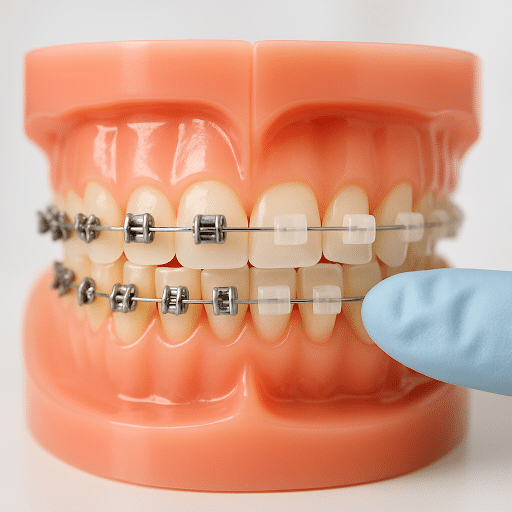
There’s no single winner here, because “better” depends on the patient, not the material. A useful way to think about it:
- Choose metal braces if: your child is young, active in sports, still developing good oral hygiene habits, or if cost is the deciding factor. Metal is the safer, more forgiving choice for most children under about 13.
- Choose ceramic braces if: your teen is self-conscious about appearance, is diligent about brushing and avoiding staining foods, and doesn’t play contact sports that risk chipping the brackets.
- Consider self-ligating options (metal or ceramic) if comfort, fewer friction points, or a slightly different adjustment schedule are priorities your orthodontist raises as suitable for your child’s case.
If you’re still unsure after weighing appearance, budget, and your child’s temperament, that’s genuinely normal, and it’s exactly what a consultation is for. An orthodontist examining your child’s teeth, jaw development, and lifestyle can give a recommendation grounded in their actual mouth, not a general comparison chart. You can learn more about the traditional metal bracket option here or explore the tooth-coloured ceramic alternative here before your visit.
A Note for Parents: Early Orthodontic Intervention
Here’s something that matters more than bracket material in the long run: timing. Many bite and alignment issues are easier and faster to correct when caught early, while the jaw is still growing and there’s more room to guide teeth and jaw development. This is often referred to as interceptive or early orthodontic treatment. It can sometimes reduce the complexity, and by extension the cost and duration, of treatment needed later.
Professional bodies generally recommend that children have an orthodontic evaluation by around age seven, even if they’re not showing obvious signs of crowding or misalignment yet. At that age, a mix of baby and permanent teeth makes it easier to spot developing issues like crossbites, crowding, or jaw growth discrepancies before they become harder to treat. Early evaluation also allows orthodontists to monitor jaw growth and tooth eruption patterns, even when treatment itself doesn’t begin for another year or two.
This is worth raising with your orthodontist regardless of whether you eventually choose metal or ceramic brackets, because bracket type is a decision made later in the process. The earlier decision, whether your child needs monitoring now or intervention already, is the one with the bigger long-term impact. If you haven’t had your child evaluated yet, it’s worth arranging an orthodontic consultation simply to understand where things stand, even if treatment itself is still a year or two away.
Other Options Worth Knowing: Self-Ligating Braces and Invisalign
Metal and ceramic aren’t the only paths to a straighter smile. Self-ligating braces use a built-in mechanism to hold the archwire instead of elastic ties, which some orthodontists use to reduce friction and simplify certain adjustment visits. These are available in both metal and ceramic versions, so choosing self-ligating doesn’t mean abandoning the metal-versus-ceramic decision, it just adds a design variation on top of it.
Clear aligners, often known by the brand name Invisalign, are a separate category entirely: removable, custom-fitted trays rather than fixed brackets and wires. They suit motivated teens and adults who will reliably wear them for the recommended hours each day. They’re generally less suitable for younger children or complex bite corrections where fixed appliances give more predictable control. If you want a deeper look at how aligners compare, that’s a separate conversation worth having directly with your orthodontist based on your child’s case.
Frequently Asked Questions
Not universally. Ceramic braces are better in one specific respect: they’re far less visible against teeth, which matters to patients who are self-conscious about appearance. Metal braces are better in terms of durability and cost. Neither is more clinically effective at straightening teeth, since both rely on the same archwire mechanism, so “better” really comes down to what matters more to your child and your family’s budget.
Neither type hurts noticeably more than the other. Discomfort with braces comes from the pressure the archwire applies to move teeth, not from the bracket material itself. Some slightly bulkier ceramic designs have historically caused a touch more cheek irritation, but modern ceramic brackets have largely closed that gap, so day-to-day comfort is now quite similar between the two.
Most patients find the first few days after the braces are initially fitted, and the day or two following each wire adjustment, to be the most uncomfortable stage. This usually presents as general tenderness or soreness rather than sharp pain, and it typically eases within three to four days as the teeth adjust to the new pressure. Soft foods, orthodontic wax for any rubbing spots, and staying on schedule with reviews all help manage this stage.
The main downside of metal braces is visibility. The silver brackets and wires are noticeable, which some children and teens, particularly self-conscious teenagers, would prefer to avoid. Beyond appearance, there are minimal downsides: metal is durable, generally more affordable, and doesn’t stain. Some patients also report needing a short adjustment period to get used to the feel of metal against the inside of the lips and cheeks, though this settles quickly.
The clearest way to know is a proper orthodontic evaluation, since factors like your child’s age, activity level, dental hygiene habits, and the complexity of their bite all influence which option makes sense. A short consultation, typically 15 to 30 minutes, gives an orthodontist enough time to examine your child’s teeth and jaw development and recommend a bracket type suited to their specific case rather than a generic rule of thumb.
Making the Decision With Confidence
Metal braces vs ceramic braces isn’t really a competition with a single winner; it’s a question of fit. Metal suits the practical needs of younger, more active children and budget-conscious families. Ceramic suits older, more careful teens who value a subtler look and are willing to invest a little more for it. Both, when properly cared for, do the same essential job: guiding teeth into a healthier, straighter position over time.
If you’re still weighing the options for your child, the most useful next step is a real conversation with an orthodontist who can examine their teeth and jaw growth directly. Book a consultation with Alfred Cheng Orthodontic Clinic to get a clear, personalised recommendation before you decide between metal and ceramic braces.
📍 Alfred Cheng Orthodontic Clinic
Mount Elizabeth Medical Centre
3 Mount Elizabeth #03-03
Singapore 228510
🌐 Visit: https://orthodontics.com.sg/
Contact Us: orthodontics.com.sg/contact/