
If you or your child has a misaligned jaw that affects chewing, breathing or facial balance, you may be wondering what is jaw surgery and how it can help. Jaw surgery, also known as orthognathic surgery, is a corrective procedure that repositions the upper jaw, lower jaw or both to restore proper function and alignment. This guide covers jaw surgery basics, the different types available, the step-by-step procedure and what to expect during orthognathic surgery recovery.
Key Takeaways
✅ Jaw surgery corrects skeletal jaw misalignments that braces alone cannot fix.
✅ The three main types target the upper jaw, lower jaw or both.
✅ Full orthognathic surgery recovery typically takes six to twelve weeks.
✅ Orthodontic treatment before and after surgery is part of the process.
What Is Jaw Surgery and How Does It Work?
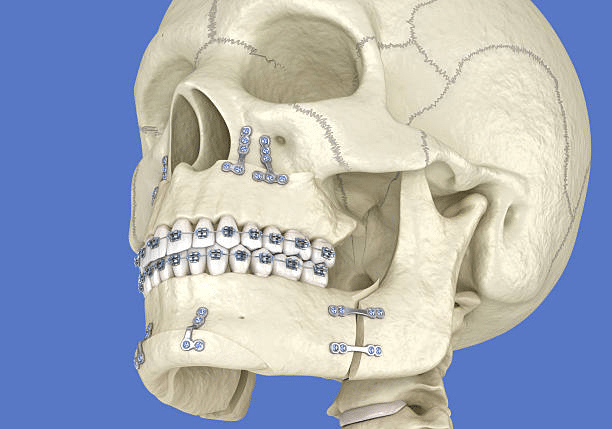
Definition:📌 Jaw surgery (orthognathic surgery) is a surgical procedure that repositions the upper jaw, lower jaw or chin to correct skeletal misalignments and restore proper bite function.
Understanding what is jaw surgery starts with recognising that it targets bone structure rather than teeth alone. While braces and clear aligners move teeth into better positions, jaw surgery addresses the underlying skeletal framework. An oral and maxillofacial surgeon performs the operation, working closely with an orthodontist who manages braces or aligners before and after the procedure.
According to a study published in Seminars in Plastic Surgery, orthognathic surgery is indicated when the jaw discrepancy is too large for orthodontic treatment alone. Jaw surgery is not a single event. It is a two- to three-year process that combines pre-surgical orthodontics, the surgery itself and post-surgical refinement. Most patients need to wait until their jaws have stopped growing, typically around 16 to 18 years of age.
Related Services: 👉 Jaw Surgery at Alfred Cheng Orthodontic Clinic | Clear Aligners
From Our Blog: 📖 How Clear Aligners Work: Understanding the Science Behind a Straight Smile
📞 Ready to find out if jaw surgery is right for you? Book a Consultation
What Are the Common Reasons for Orthognathic Surgery?
There are several reasons for orthognathic surgery that go beyond cosmetic concerns. This procedure is typically recommended when a significant jaw misalignment affects daily function and cannot be resolved through orthodontic treatment alone.
Functional Reasons for Jaw Surgery
One of the primary reasons for orthognathic surgery is difficulty chewing or biting food properly. Patients with a severe overbite, underbite or open bite often struggle with eating and speaking clearly. Jaw surgery corrects the alignment so that the upper and lower teeth meet as they should.
Another common reason is obstructive sleep apnoea (OSA). When the jaw sits too far back, it can narrow the airway and cause breathing difficulties during sleep. According to SingHealth, orthognathic surgery may be recommended for patients whose sleep apnoea does not respond to other treatments.
Structural and Developmental Reasons
Additional reasons for orthognathic surgery include facial asymmetry, a protruding or receding chin, cleft lip and palate conditions, and TMJ (temporomandibular joint) disorders that cause chronic jaw pain. Some patients also experience difficulty closing their lips comfortably, which is a sign that the jaw structure may require surgical correction.
Related Services: 👉 Metal Braces | Modification Treatment
From Our Blog: 📖 Solutions for Crooked Teeth: Expert Tips and Treatments | Are Dental Braces Right for You?
📞 Experiencing jaw pain or bite issues? Schedule Your Assessment
What Are the Different Types of Jaw Surgery?
When exploring what is jaw surgery in detail, it helps to understand the three main types. Each targets a specific part of the jaw and addresses different alignment issues.
1. Maxillary Osteotomy (Upper Jaw Surgery)
This type of jaw surgery repositions the upper jaw (maxilla). It is performed when the upper jaw protrudes too far forward, sits too far back or has grown unevenly. The surgeon makes cuts above the teeth, moves the jaw into the correct position and secures it with titanium plates and screws. Conditions treated include a significant open bite, crossbite and certain types of overbite.
2. Mandibular Osteotomy (Lower Jaw Surgery)
Lower jaw surgery corrects a mandible that extends too far forward or too far back. The surgeon makes incisions behind the molars, repositions the lower jaw and fixes it in place with surgical hardware. This is one of the most common jaw surgery basics and is frequently recommended for patients with a severe underbite or receding lower jaw.
Bimaxillary Osteotomy (Double Jaw Surgery)
When both the upper and lower jaws require correction, a bimaxillary osteotomy is performed. This is the most complex type of jaw surgery, repositioning both jaws during a single operation. According to the University of Utah Health, double jaw surgery is also used to treat obstructive sleep apnoea by advancing both jaws to open the airway.
Genioplasty (Chin Surgery)
In some cases, a genioplasty may be performed alongside jaw surgery. This procedure reshapes or repositions the chin bone to improve facial proportions and is often combined with mandibular surgery for a more balanced result.
Comparison of Jaw Surgery Types
| Surgery Type | Area Treated | Common Conditions | Typical Duration |
| Maxillary Osteotomy | Upper jaw | Open bite, crossbite, overbite | 1 to 2 hours |
| Mandibular Osteotomy | Lower jaw | Underbite, receding jaw | 1 to 2 hours |
| Bimaxillary Osteotomy | Both jaws | Complex misalignment, sleep apnoea | 2 to 4 hours |
| Genioplasty | Chin | Chin asymmetry, receding chin | 1 to 1.5 hours |
Related Services: 👉 Ceramic Braces | Damon Braces
From Our Blog: 📖 Top 5 Benefits of Ceramic Braces in Singapore | Damon Braces Singapore: Complete Guide
📞 Want to know which type of jaw surgery suits your condition? Get a Professional Assessment
How Is Jaw Surgery Performed? Step-by-Step Procedure
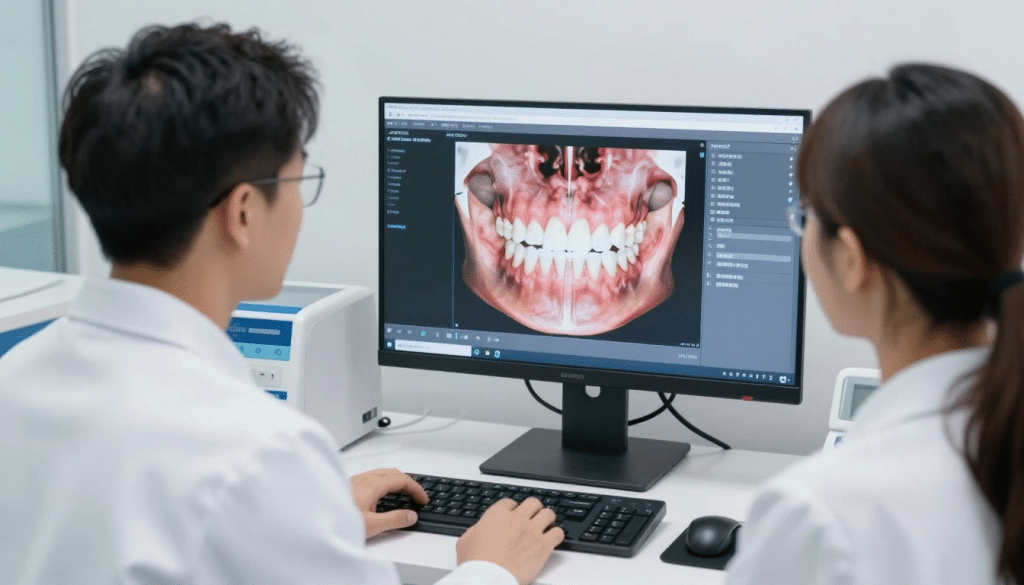
Understanding jaw surgery basics includes knowing what happens before, during and after the operation.
1. Pre-Surgical Phase
Before jaw surgery, patients undergo orthodontic treatment to move the teeth into positions that will align correctly once the jaw is repositioned. This phase typically lasts 12 to 18 months and involves wearing braces or aligners. The orthodontist and surgeon work together using 3D scans, X-rays and digital imaging to plan the precise surgical movements.
2. During the Surgery
Jaw surgery is performed under general anaesthesia. The procedure follows these general steps:
- The surgeon makes incisions inside the mouth to access the jawbone, minimising visible scarring.
- Precise cuts are made in the bone to allow the jaw to be moved into the planned position.
- Bone may be added, removed or reshaped as needed.
- The jaw is secured in its new position using titanium plates, screws or wires.
- Incisions are closed and a splint may be placed over the teeth for stability.
The entire procedure takes between one and four hours depending on the complexity.
3.Post-Surgical Phase
After the operation, most patients stay in the hospital for one to three days. Orthodontic treatment continues for several months to fine-tune the bite and ensure the teeth settle into their final positions.
Related Services: 👉 Braces for Students and Teens | Brace Care
From Our Blog: 📖 Understanding How Braces Work: The Science of Moving Teeth | Metal Braces Cost in Singapore
📞 Have questions about the jaw surgery process? Speak to Our Team
What Does Orthognathic Surgery Recovery Look Like?
Orthognathic surgery recovery is a gradual process that requires patience and careful follow-up.
The First Two Weeks
The initial phase of orthognathic surgery recovery involves managing swelling, bruising and discomfort. Patients are placed on a liquid diet as the jaw needs time to heal. Common side effects include nasal congestion, a sore throat and numbness around the chin or lips. These are temporary and typically improve within two weeks.
Weeks Three to Six
During this stage of orthognathic surgery recovery, most patients can return to work or school. The diet gradually transitions from liquids to soft foods. Swelling continues to decrease, and patients begin to see improvements in their facial profile and bite alignment.
Long-Term Recovery Timeline
Full orthognathic surgery recovery takes approximately six to twelve weeks for the bones to heal. Complete settling of the bite and final orthodontic adjustments may take an additional six to twelve months. Avoid contact sports and strenuous activity for at least six weeks post-surgery.
Practical Tips for a Smoother Recovery
- Stock up on soups, smoothies and soft foods before your surgery date.
- Arrange for someone to drive you home and assist you for the first few days.
- Follow your surgeon’s instructions on medication, oral hygiene and activity restrictions.
- Apply cold compresses to manage swelling during the first 48 hours.
- Attend all follow-up appointments to ensure proper healing.

Related Services: 👉 Braces for Kids | Common Questions
From Our Blog: 📖 5 Signs Your Child Might Need Braces | Everything You Need to Know About Retainer Care
📞 Planning for jaw surgery recovery? Get Personalised Guidance
Frequently Asked Questions About Jaw Surgery
1. Is jaw surgery painful?
Jaw surgery is performed under general anaesthesia, so you will not feel pain during the procedure. After surgery, some discomfort and swelling are normal. Your surgeon will prescribe pain medication to keep you comfortable during orthognathic surgery recovery. Most patients find that discomfort improves significantly within two weeks.
2. How long does it take to recover from jaw surgery?
Most patients return to daily routines within three to four weeks. Full bone healing takes six to twelve weeks. The complete treatment process, including post-surgical orthodontics, may extend for an additional six to twelve months.
3. Do I need braces before and after jaw surgery?
Yes, most patients require orthodontic treatment both before and after jaw surgery. Pre-surgical braces align the teeth so they fit together correctly once the jaw is repositioned. Post-surgical braces fine-tune the bite and ensure the teeth settle into their final positions.
4. Can jaw surgery fix sleep apnoea?
Jaw surgery can be an effective treatment for obstructive sleep apnoea. By advancing the upper and lower jaws, the procedure opens the airway and improves breathing during sleep. This is one of the important reasons for orthognathic surgery for patients whose condition does not respond to other treatments.
Related Services: 👉 About Dr Alfred Cheng | All Orthodontic Services
From Our Blog: 📖 Affordable Clear Aligners in Singapore | Buck Teeth No More: Straightening Solutions
📞 Get Your Questions Answered in Person. Book a Consultation
Take the Next Step Towards Better Jaw Alignment
Now that you understand what is jaw surgery, the different types, the procedure and what to expect during orthognathic surgery recovery, the next step is a professional assessment. At Alfred Cheng Orthodontic Clinic, our team provides comprehensive orthodontic care and works closely with oral surgeons to guide patients through every stage of jaw surgery treatment.
Book a consultation today to discuss your specific concerns and find out if jaw surgery is the right option for you or your child.
📞 Schedule Your Consultation Now | 📱 WhatsApp Us
Learn More About Damon Braces Treatment →
Explore Our Orthodontic Treatment Options →
Read About Clear Braces Options →
Schedule Your Orthodontic Consultation →
Learn About Our Treatment Approach →
Schedule Your Adult Orthodontic Consultation →
.Discuss Your Treatment Timeline →
Access Emergency Care Information →
| Read Treatment Guide → | Contact Our Clinic →
Explore Our Services:
- Metal Braces
- Ceramic Braces
- Clear Aligners
- Jaw Surgery (Orthognathic Surgery)
- Children’s Orthodontics
- Adult Orthodontics
- Interceptive Orthodontics
📍 Alfred Cheng Orthodontic Clinic
Mount Elizabeth Medical Centre
3 Mount Elizabeth #03-03
Singapore 228510🌐 Visit: https://orthodontics.com.sg/