
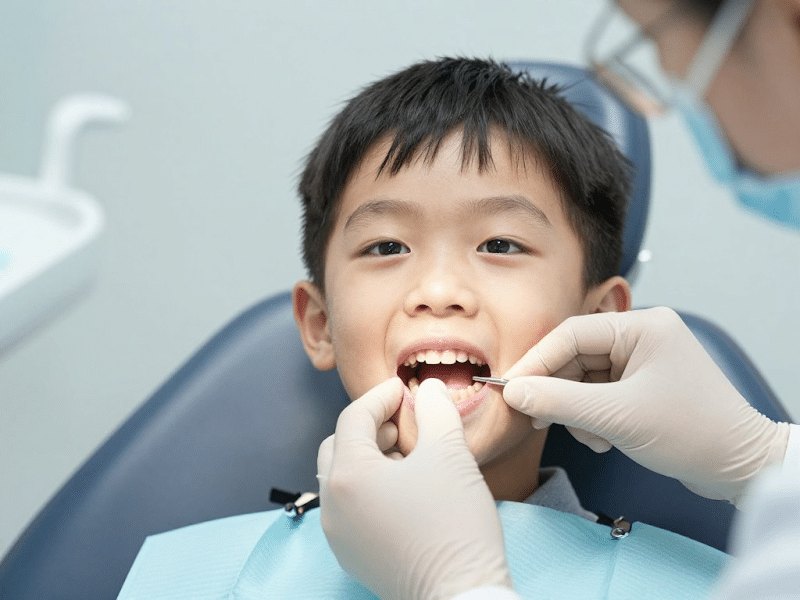
Is your child’s smile starting to look a little crowded? Are teeth coming in at odd angles? These are signs many Singapore parents notice and are not sure what to do about. Knowing when to visit a child orthodontist in Singapore is one of the most important decisions you can make for your child’s long-term dental health. The good news is that earlier is almost always better. This guide gives you a clear, practical roadmap. From the first signs to watch for, to what happens at a children’s braces consultation, to the treatment options available today.
At Alfred Cheng Orthodontic Clinic, located at Mount Elizabeth Medical Centre, we have guided hundreds of Singapore families through this journey. This guide is built on that experience.
Related Services: 👉 Braces for Kids | Braces for Students and Teens
Key Takeaways
✅ Most children should have their first orthodontic assessment by age 7
✅ Early evaluation does not mean immediate treatment as it means informed planning
✅ Signs like crowding, bite problems and mouth breathing warrant a prompt review
✅ Braces for kids in Singapore work best when the jaw is still growing
✅ Early orthodontic treatment in Singapore can reduce the need for complex procedures later
In Singapore, a child should first see an orthodontist by age 7, even if no obvious issues are visible. Early assessment allows the orthodontist to monitor jaw growth, identify bite problems and plan treatment at the right time. Early orthodontic treatment in Singapore is most effective when the jaw is still developing.
Why Does the Age of a Child’s First Orthodontic Visit Matter in Singapore?
Timing is everything in orthodontics. A child’s jaw grows rapidly between the ages of 6 and 14. During this window, orthodontists can use that natural growth to guide teeth and jaw development in ways that simply are not possible once growth is complete.
The American Association of Orthodontists recommends that all children have an initial orthodontic evaluation by age 7. This recommendation is widely followed by specialist clinics across Singapore, including Alfred Cheng Orthodontic Clinic. At this stage, the first permanent molars and incisors have typically come through, which gives an orthodontist a clear picture of how the bite is developing.
Definition:📌 Early orthodontic treatment is intervention carried out before all permanent teeth have erupted, designed to guide jaw growth and create space for incoming teeth.
A 2020 review published in the Journal of Clinical Orthodontics found that children who received early interceptive orthodontic treatment were significantly less likely to require tooth extractions or jaw surgery in their teens. Catching problems early genuinely changes outcomes.
Citable Insight:📌 Children assessed by a child orthodontist in Singapore before age 8 have a wider window for non-invasive treatment that uses natural jaw growth to their advantage.
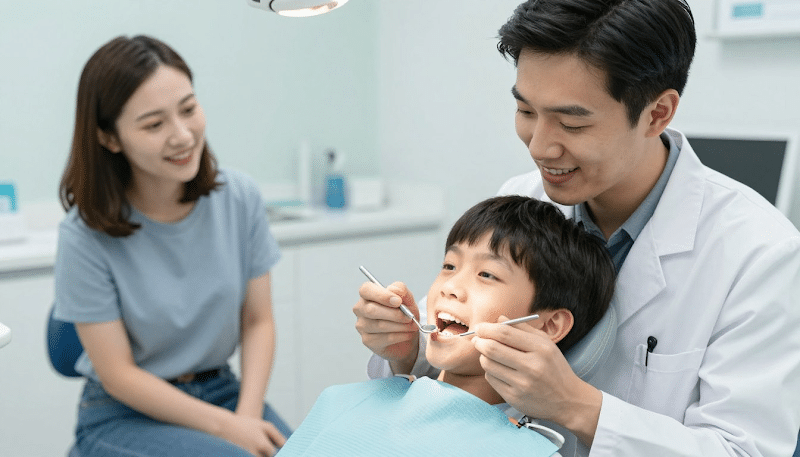
What Are the Signs Your Child Needs to See a Child Orthodontist in Singapore?
Many parents wait until a problem is obvious before booking a children’s braces consultation. But some of the most important signs are subtle. Here is what to look out for.
Physical Signs in the Mouth
- Crowded or overlapping front teeth when permanent teeth come through
- Large gaps between teeth that do not close naturally
- Upper teeth that sit too far in front of lower teeth (overbite)
- Lower teeth that sit in front of upper teeth (underbite)
- Upper and lower teeth that do not meet correctly on one side (crossbite)
- Baby teeth that are still present well past the normal falling-out age
- Permanent teeth coming through in unusual positions
Behavioural Signs to Watch
These are often overlooked but can point to underlying orthodontic issues:
- Mouth breathing during sleep or at rest
- Difficulty chewing, or always chewing on one side
- Biting the cheek or roof of the mouth frequently
- A jaw that clicks, pops or seems stiff
- Speech difficulties that have no other obvious cause
- Thumb or finger sucking past age 5
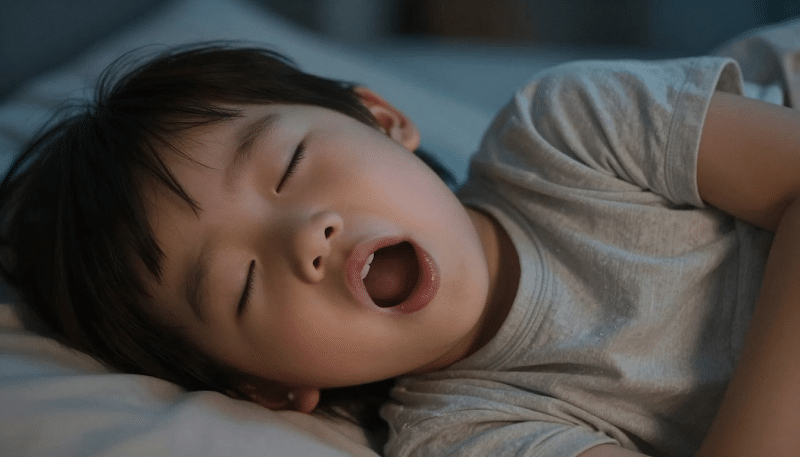
According to the Academy of General Dentistry, prolonged thumb-sucking can significantly alter the shape of the palate and the alignment of front teeth, making early review by a child orthodontist in Singapore particularly important for children with this habit.
Definition:📌 A crossbite is a misalignment in which one or more upper teeth sit inside the lower teeth when biting, rather than outside, a condition best addressed in growing children.
From Our Blog: 📖 5 Signs Your Child Might Need Braces | Everything You Need to Know About Retainer Care
When Should a Child See an Orthodontist? A Stage-by-Stage Guide
Understanding the different stages of your child’s dental development helps you know when to act.
Stage 1: Age 6 to 7 — The Assessment Stage
This is when we recommend your child’s first visit to a child orthodontist in Singapore. The goal is not to start treatment immediately. It is to assess growth patterns, check how permanent teeth are erupting and identify any early concerns.
At this stage, an orthodontist may recommend:
✅ Monitoring only, with a review in 6 to 12 months
✅ A space maintainer if a baby tooth has been lost early
✅ A simple appliance to address a crossbite or narrow palate
Early orthodontic treatment in Singapore at this stage is typically short and targeted.
Stage 2: Age 8 to 10 — The Interceptive Stage
This is the window where interceptive orthodontics can make the biggest difference. The jaw is still growing and can be guided more easily at this stage than in the teens.
Common interventions at this stage include palate expanders to widen a narrow upper jaw, habit-breaking appliances for persistent thumb-sucking and guidance of permanent teeth into better positions.
Braces for kids in Singapore are sometimes started during this window for specific problems. However, full braces treatment is not always begun this early.
Stage 3: Age 11 to 14 — The Comprehensive Treatment Stage
This is the most common window for full braces for kids in Singapore. By around age 11 to 12, most children have most of their permanent teeth. The jaw is still growing, which means orthodontic movements are faster and more effective than in adults.
This is the period when metal braces, ceramic braces or in suitable candidates, clear aligners, are most commonly placed. Treatment at this stage typically achieves thorough, lasting correction of bite and alignment issues.
Stage 4: Age 15 and Above — Late Teens and Beyond
Treatment is still effective in older teens and adults. However, the absence of growth means that purely dental movement is used rather than growth modification. Some skeletal problems that could have been partially managed with early intervention may require jaw surgery if left until this stage.
What Happens at a Children’s Braces Consultation in Singapore?

Many parents are unsure what to expect at a first children’s braces consultation. Here is a step-by-step guide to what typically happens at Alfred Cheng Orthodontic Clinic.
Step 1: Medical and dental history review.
The orthodontist reviews your child’s dental history and any concerns you have noticed at home.
Step 2: Clinical examination
The orthodontist examines your child’s teeth, bite, jaw joints and facial structure. This is a hands-on assessment.
Step 3: X-rays and records
Dental X-rays help the orthodontist see teeth that have not yet erupted and assess bone structure. Photographs of the face and teeth are also taken.
Step 4: Diagnosis and discussion
The orthodontist explains what they have found, what it means for your child’s development and what options are available.
Step 5: A personalised treatment plan
If treatment is recommended, you receive a clear plan covering the type of appliance, timeline and what to expect.
Step 6: Your questions answered
There is always time for parents and children to ask questions before any decision is made.
No treatment is ever rushed. At Alfred Cheng Orthodontic Clinic, every consultation is designed to give parents the clarity and confidence they need to make the right decision for their child.
What Are the Braces Options for Kids in Singapore?

Once treatment is recommended, parents often want to know which type of braces is right for their child. Here is a clear comparison.
Metal Braces — Reliable and Effective
Metal braces are the most commonly used option for children and remain the most effective for complex alignment and bite issues. Stainless steel brackets are bonded to the teeth and connected by wires that are adjusted over time.
Metal braces are durable, precise and able to handle even significant crowding and bite problems. They are a practical, time-tested choice for growing children.
Ceramic Braces — Discreet Without Compromise
Ceramic braces function in the same way as metal braces but use tooth-coloured or clear brackets that are far less visible. They are a popular choice for image-conscious older children and teens who want effective treatment without the bold appearance of metal.
Ceramic braces require careful oral hygiene as the brackets can stain if not cleaned properly.
Clear Aligners — For Cooperative Teens
Clear aligners are removable, nearly invisible trays that move teeth in gradual stages. They are best suited to older teens who are mature enough to wear them consistently for the recommended 20 to 22 hours per day.
Clear aligners are not suitable for all orthodontic cases and are generally not recommended for younger children.
Comparison Table — Braces Options for Kids in Singapore at a Glance
| Treatment | Best Age | Visibility | Suitable For | Removable |
| Metal braces | 8 and above | Visible | All complexity levels | No |
| Ceramic braces | 11 and above | Low visibility | Moderate to complex cases | No |
| Clear aligners | 14 and above | Nearly invisible | Mild to moderate cases | Yes |
| Interceptive appliances | 6 to 10 | Varies | Growth guidance | Sometimes |
For a full assessment of which option suits your child, book a children’s braces consultation at Alfred Cheng Orthodontic Clinic.
Frequently Asked Questions About Child Orthodontists in Singapore
1. At what age should a child first see an orthodontist in Singapore?
Most children should have their first visit to a child orthodontist in Singapore by age 7. This does not always mean treatment will begin immediately. It means an experienced orthodontist can assess growth patterns and identify any issues that benefit from early attention.
2. What is the difference between a dentist and a child orthodontist in Singapore?
A general dentist provides routine dental care including cleanings, fillings and extractions. A child orthodontist in Singapore is a specialist who has completed additional postgraduate training specifically in the diagnosis and treatment of dental and jaw misalignment in children. For complex alignment issues, seeing a specialist orthodontist rather than a general dentist gives children access to deeper expertise.
3. Are braces for kids in Singapore painful?
Some mild discomfort is normal after braces are placed and after adjustment appointments. This typically lasts two to four days and can be managed with over-the-counter pain relief and soft foods. Most children adapt quickly and report that appointments are much easier than they expected.
4. How long do braces for kids in Singapore typically take?
Treatment duration depends on the complexity of the problem and the age of the child. Interceptive treatment in younger children may last 6 to 12 months. Full comprehensive treatment in older children or teens typically runs from 12 to 30 months. Your child’s orthodontist will provide a personalised estimate based on their specific case.
5. What happens if we wait too long to see a child orthodontist in Singapore?
Some problems that are straightforward to address during a child’s growth become significantly more complicated once growth is complete. Severe underbites, for example, can sometimes be managed with growth modification in childhood. If left until adulthood, they may require jaw surgery. Early evaluation means early options — and early options are almost always simpler.
6. Is early orthodontic treatment in Singapore covered by insurance?
Coverage varies between insurers and policies. It is worth checking your specific policy. Alfred Cheng Orthodontic Clinic’s team can provide documentation to support any insurance claims you wish to make.
Choosing the Right Child Orthodontist in Singapore
Not all orthodontic practices are the same. Here is what to look for when choosing a child orthodontist in Singapore.
1. Specialist qualifications
Look for a practice led by a registered specialist orthodontist, not just a general dentist offering orthodontic services. Specialist training makes a real difference in complex cases.
Child-friendly environment
Clinics experienced in treating children understand that the experience matters as much as the outcome. A calm, welcoming environment reduces anxiety and builds trust.
Communication
Parents deserve clear, jargon-free explanations. You should leave every appointment understanding exactly what is happening with your child’s treatment and why.
A full range of options
From early interceptive appliances through to metal braces, ceramic braces and clear aligners, a comprehensive practice can match the treatment to the child and not the other way around.
Alfred Cheng Orthodontic Clinic at Mount Elizabeth Medical Centre meets all of these criteria. Dr Alfred Cheng brings extensive specialist orthodontic experience to every consultation, with a particular focus on achieving results efficiently and comfortably for young patients.
Final Thoughts: The Right Time to See a Child Orthodontist in Singapore Is Sooner Than You Think
The single most common thing parents say when they bring a child for their first children’s braces consultation is: “I wish we had come sooner.” The earlier a child is assessed by a child orthodontist in Singapore, the more options are available and the simpler the path to a healthy, well-aligned smile tends to be.
You do not need to wait until teeth look visibly crooked. You do not need to wait until your child complains. An assessment at age 7 gives you information, planning time and peace of mind.
Early orthodontic treatment in Singapore is not about rushing your child into braces. It is about ensuring that, if braces for kids in Singapore are ever needed, they work as efficiently and effectively as possible. Because the groundwork has been laid at the right time.
Book a Children’s Braces Consultation at Alfred Cheng Orthodontic Clinic

Alfred Cheng Orthodontic Clinic is Singapore’s specialist orthodontic practice dedicated to children, teens and adults. Located at Mount Elizabeth Medical Centre, we offer a full range of orthodontic treatments including metal braces, ceramic braces, clear aligners and interceptive appliances for young children.
Our team believes every child deserves a smile they feel proud of. We are here to make that journey clear, comfortable and effective for your family.
Book your child’s first children’s braces consultation today.
📞 Get Your Braces Questions Answered.
Take the first step towards a straighter smile. Book a consultation today to receive a personalised treatment plan and cost estimate from an experienced orthodontist in Singapore.
📞 Schedule Your Consultation Now | 📱 WhatsApp Us
Explore Our Services:
- Metal Braces
- Ceramic Braces
- Clear Aligners
- Jaw Surgery (Orthognathic Surgery)
- Children’s Orthodontics
- Adult Orthodontics
- Interceptive Orthodontics
📍 Alfred Cheng Orthodontic Clinic
Mount Elizabeth Medical Centre
3 Mount Elizabeth #03-03
Singapore 228510
🌐 Visit: https://orthodontics.com.sg/
Contact Us: orthodontics.com.sg/contact/