
Clear aligner braces or traditional braces? Your choice shapes daily routines, clinic visits, and long-term results. If you are weighing comfort, hygiene, and how treatment fits school, work, or sports, this guide breaks it down in plain terms. You will learn what clear aligner braces do well, where fixed brackets excel, how clear aligners teeth respond to different movements, and why some cases still need brackets and wires. We will also cover common search terms such as aligner clear and braces clear aligners, so you can compare options people ask about in Singapore and decide what suits your lifestyle best.
What Are “Clear Aligner Braces”?
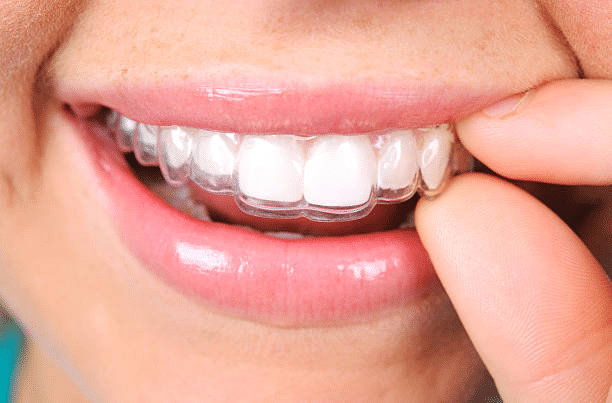
Clear aligner braces are removable, transparent trays made from medical-grade plastic. A planned sequence of trays moves teeth in small, controlled steps until the final alignment is reached. Each new set advances the plan.
How Treatment Is Planned
Digital Records (Photos, 3D Scans, X-rays)
Planning for clear aligner braces begins with precise photos, a 3D intraoral scan, and indicated X-rays to map roots and bone. These records create an accurate model of clear aligners teeth, guiding safe movements and realistic timelines.
Step-by-Step Simulation (Staging the Movements)
Software sequences each shift across trays, showing direction, speed, and total sets. This staged plan makes aligner clear progress predictable and helps you visualise outcomes in braces clear aligners comparisons.
Attachments and Enamel Polishing (When Indicated)
Tooth-coloured attachments act as grip points; minimal interproximal polishing (IPR) creates space for controlled movement. Used selectively, these expand what clear aligner braces can achieve and keep clear aligners teeth tracking to plan.
Review Points and Fit Checks (Keeping Trays on Track)
Regular reviews check tray seating, attachment integrity, and bite contacts; early tweaks prevent drift. If tracking slips, chewies, wear-time coaching, or a short refinement keeps aligner clear treatment on course.
Patient Role and Daily Routine (What You Control)
Consistent 20–22 hour wear, brushing before reinsertion, and storing trays in a case protect progress for clear aligner braces. Logging set changes and reporting issues early sustain the staged roadmap for clear aligners teeth.
Why People Choose Them
- Discreet and flexible day-to-day — You remove clear aligner braces for meals, brush and floss as usual, and feel confident in photos, meetings, and events. This blend of discretion and convenience fits busy school and work routines.
- Comfort and routine control — Smooth trays reduce cheek irritation, and planned set changes make progress predictable. For many, this control makes clear aligners teeth easier to live with than fixed brackets.
Who Usually Benefits
- Mild to moderate corrections — Spacing, mild crowding, front-tooth alignment, and small bite refinements respond well to clear aligner braces.
- Expanded range with auxiliaries — With attachments, elastics, or IPR, aligner clear plans handle more movement; very complex mechanics may still suit fixed systems over braces clear aligners.
Traditional Braces Explained With Real-World Context
What They Are
Traditional braces use brackets fixed to each tooth and an archwire that applies precise forces. Elastics, springs and other auxiliaries guide complex movements.
Strengths That Still Matter
Large rotations, deep bite correction, vertical movements and certain crossbites remain efficient with fixed systems. Because force is always engaged, progress does not depend on daily tray wear.
What Daily Life Looks Like
You brush around brackets with care, use interdental tools and return for scheduled adjustments. Diet needs attention to protect the appliance. For some, the structure helps. The routine is clear, the tools are fixed and the schedule keeps things moving.
Lifestyle Fit Side-by-Side
1. Comfort In Daily Use
Clear aligner braces feel smooth against cheeks and lips. Pressure is most noticeable for one to two days after switching sets.
Traditional braces can cause rubbing at the start or after adjustments. Orthodontic wax and salt-water rinses help.
2. Hygiene And Freshness
Clear aligners teeth care is direct. Remove trays, brush and floss, then clean trays with a soft brush and lukewarm water.
Brackets and wires need more time. Interdental brushes and threaders make a big difference. Fluoride support helps protect enamel.
3. Eating, Social And Sport
Clear aligner braces come out for meals, so there are no major food limits. A mouthguard can seat over trays for sport.
Traditional braces need food care to avoid breakage. Planning around adjustment days reduces tenderness at meals.
4. Appointments And Monitoring
Aligner clear pathways often mix in-clinic reviews with digital check-ins.
Fixed systems rely on regular in-clinic adjustments. The cadence is steady and predictable.
Comfort, Speech And Adaptation In The First Weeks
What To Expect
With clear aligner braces, a slight lisp can appear on day one and fade quickly as the tongue adapts. Tenderness follows new set changes, often short-lived.
With brackets, cheeks and lips adapt to edges across the first fortnight. Adjustments can cause soreness that settles in two to three days.
Simple Ways To Settle In
Stay hydrated — Keeps tissues comfortable and reduces dryness during early days of clear aligner braces or brackets.
Use tray chewies — Bite gently for a minute to help aligners seat fully and improve tracking.
Apply orthodontic wax — Cover any bracket or wire edges to protect cheeks and lips while they adapt.
Choose cold, soft foods — Smoothies, yoghurt, or chilled soups can ease tenderness after new sets or adjustments.
Clean little and often — Short, frequent brushing and quick tray rinses keep hygiene high and irritation low.
Carry a travel kit — Case, mini toothbrush, floss, and chewies make on-the-go care simple.
Rinse after meals — A quick water rinse before reinserting trays helps keep clear aligners teeth fresh and stain-free
Hygiene Workflows That Keep Treatment On Track
Clear Aligners Routine
Brush after meals, then reinsert your trays. Rinse aligners clear trays with lukewarm water and avoid hot water or abrasive toothpaste. Store them in a case to keep the plastic in good condition and reduce odour.
Fixed Braces Routine
- Brush with a soft brush at a 45° angle around brackets and the gumline to lift plaque.
- Use interdental brushes to clean under the wire and between brackets.
- Floss daily with a floss threader or superfloss to reach under the archwire.
- Rinse with a fluoride mouthrinse at night to strengthen enamel around brackets.
- Optional: A water flosser helps clear food traps; apply orthodontic wax for any rubbing spots.
Why It Matters
- Cleaner teeth move more predictably, reducing risks like decalcification, gum irritation, and breakages.
- Good hygiene shortens chair time and keeps treatment on schedule, supporting steady progress from one adjustment to the next.
Compliance And Discipline That Deliver Results
Wear Time For Clear Aligner Braces
- Aim for 20–22 hours of daily wear. Set meal windows, store trays in a clean case, and reinsert immediately after eating.
- Consistent wear keeps clear aligners teeth tracking to plan; missed hours accumulate and often lead to extra refinement sets.
- If a tray feels loose, use chewies to improve seating and message your clinic for guidance on your aligner clear schedule.
Discipline for Fixed Systems
- Since brackets stay on 24/7, focus on hygiene and punctual adjustments. Keep a strict routine for brushing and interdental cleaning.
- Elastics are the main variable: steady wear maintains bite correction and reduces treatment drift compared with braces clear aligners alternatives.
Tracking Progress at Home
- For clear aligner braces: check that trays seat fully with no edge gaps and transitions between sets feel smooth; flag any lift or rubbing early.
- For fixed appliances: watch for loose brackets or poking wires. Quick messages and photos help your clinic fix issues fast and keep momentum.
Who Typically Chooses Each Option
Students And Teens
Discreet look helps with confidence. Clear aligner braces suit school timetables when wear discipline is strong and family support is steady. Fixed systems remain a good match for complex corrections during growth.
Working Adults
Client-facing roles value trays that disappear in photos and meetings. Travel schedules also favour remote check-ins. For technical bite work, many still choose fixed brackets for stability.
Sport And Music
Mouthguards seat over trays. Wind instrument players usually adapt faster with aligners than with brackets. Contact sports can work with fixed appliances too, as long as protection is consistent.
Case Complexity & Treatment Scope
Mild, Moderate, Complex — What This Means In Practice
- Mild: Small spacing or crowding, light rotations, simple alignment of front clear aligners teeth. Often fewer trays and a shorter plan for clear aligner braces.
- Moderate: Mix of rotations, small bite refinements, midline balance with attachments and elastics. Braces clear aligners comparisons are useful here because both systems can work with different trade-offs.
- Complex: Deep bite correction, large canine rotations, vertical movements or multi-plane changes. Fixed appliances may offer more consistent control; aligner clear can still be used with auxiliaries, but timelines often stretch.
Movement Types That Stretch Plans
- Canine rotations beyond a quarter-turn
- Intrusion or extrusion of multiple teeth
- Transverse changes and crossbite correction
When these are present, expect more reviews, possible refinements and closer monitoring for clear aligner braces and fixed systems alike.
Ready to Choose Your Best-Fit Braces?
Book a consultation with Alfred Cheng Orthodontic Clinic to compare clear aligner braces and traditional braces for your lifestyle. Get a personalised plan that fits your routine, goals, and timeline so treatment stays comfortable, predictable, and on track.
Alfred Cheng Orthodontic Clinic
Mount Elizabeth Medical Centre
3 Mount Elizabeth #03-03
Singapore 228510
🌐 Visit: https://orthodontics.com.sg/