
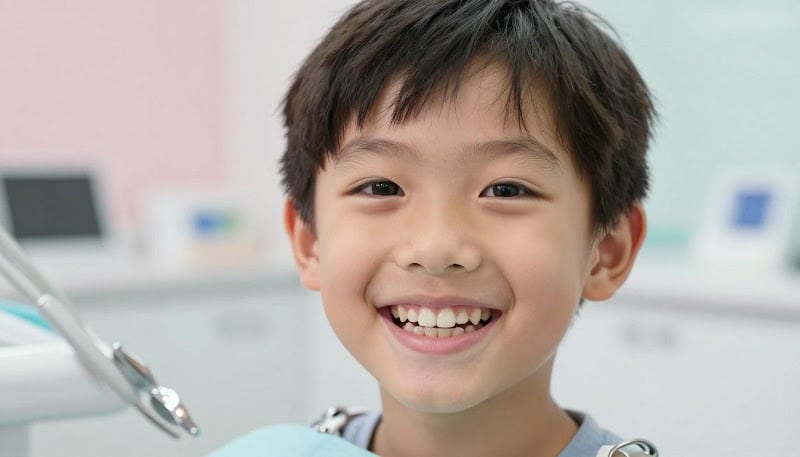
As a parent in Singapore, you want clear, practical advice about when to start orthodontic treatment for your child. At Alfred Cheng Orthodontic Clinic we specialise in children’s care and know that the right timing can make treatment quicker, simpler and more effective. If you’re wondering about braces for kids, this guide will help you understand the process and what to watch for so you can make the best decision for your child’s teeth and smile.
We offer a full range of treatments like Metal Braces, Ceramic Braces, Clear Aligners and Jaw Surgery at our clinic in Mount Elizabeth Medical Centre. Whether your child has crowded front teeth at age 7 or a developing bite issue in their early teens, we’ll create a clear treatment plan tailored to their age and needs.
Book a kids’ braces consultation
Understanding Orthodontic Development in Children
Teeth and jaw growth happen in predictable stages, and knowing those stages helps parents spot issues early. Understanding these milestones makes it easier to decide when to seek orthodontic treatment and to plan the right approach for your child.
1. Key Developmental Milestones in Children’s Teeth
Children normally develop two sets of teeth: primary (baby) teeth and permanent teeth. The first primary teeth usually appear at about six months, and most children have the full set of 20 primary teeth by around age three. From roughly age six the permanent teeth begin to replace baby teeth; eventually, including wisdom teeth, the adult dentition comprises up to 32 teeth. Monitoring eruption timing and alignment helps with early detection of problems that can affect function, appearance and long‑term oral health.
2. The Importance of Early Orthodontic Evaluation
We recommend a first orthodontic check by about age seven. This early assessment is not always to start braces straight away but to assess growth patterns, spot emerging issues and, if needed, draw up an interceptive treatment plan. Early intervention can guide jaw growth, create space for adult teeth and reduce the likelihood of more invasive treatment later.
Explore Our Orthodontic Treatment Options →
3. Behavioural Signs That Suggest Dental Problems
Changes in how your child eats, sleeps or behaves can indicate underlying issues:
- Difficulty chewing or frequently preferring one side of the mouth
- Consistent mouth breathing (may affect jaw growth)
- Recurring toothache or complaints of jaw discomfort
If behavioural signs appear alongside poor oral hygiene, for example, food trapping around crowded teeth that increases the risk of gum disease, an orthodontic assessment becomes more urgent.
4. Signs Your Child Might Need Orthodontic Treatment
Knowing what to look for can save time, discomfort and extra treatment later. Below are clear signs that your child may benefit from orthodontic assessment. If you spot any of these, consider booking a check-up.
Physical Indicators of Orthodontic Issues
- Crowded or overlapping teeth that make brushing difficult
- Teeth that protrude or show large gaps
- An obvious overbite, underbite or crossbite
- Jaw pain, clicking or difficulty fully opening the mouth
These issues can often be managed with appropriate braces such as traditional metal braces, ceramic brackets or clear aligners. Depending on the child’s age, the severity of the problem and how well they can follow treatment instructions.
Common Bite Problems in Singaporean Children
- Overbite (upper teeth excessively overlap lower teeth)
- Underbite (lower teeth protrude beyond upper teeth)
- Crossbite (upper and lower teeth do not align correctly)
Our team at Alfred Cheng Orthodontic Clinic diagnoses these bite problems and recommends suitable options to straighten teeth and improve jaw function. If you’re unsure if your child needs treatment, call us and book a consultation.
See if your child needs braces
The Best Age to Start Braces for Kids: A Timeline Guide
Knowing when to act makes orthodontic treatment more effective and often less invasive. Below is a parent‑friendly timeline that explains when to monitor, when to intervene and when to plan for comprehensive treatment so you can make informed decisions about getting braces for your child.
🦷 Early Intervention: Ages 7–10
At around age 7 we recommend an initial review. Early intervention is not always about fitting braces immediately but it is about spotting growth patterns and issues that can be managed sooner rather than later. Acting early can simplify later treatment and, in some cases, reduce the need for extractions or complex jaw work.
- What we look for: eruption timing of adult incisors, space for permanent teeth, airway and breathing patterns.
- Common early actions: space maintainers, simple appliances to guide jaw growth, or extracting persistently problematic baby teeth to allow proper eruption.
- Typical benefit: creating room for adult teeth and preventing worsening crowding.
🦷 Comprehensive Treatment: Ages 11–14
Between about 11 and 14 many children have most permanent teeth and are good candidates for full braces treatment. This is often the optimal window for comprehensive correction because growth can be used to our advantage while teeth are still moving into position.
- Usual goals: correct misaligned teeth, fix bite problems and improve overall alignment of adult teeth.
- Treatment types: traditional metal braces (durable for complex cases), ceramic braces for a lower‑visibility option, or in selected teens, clear aligners if they can reliably wear them.
- What to expect: regular adjustments, good oral hygiene to avoid gum disease, and a typical duration tailored to the severity of issues (your orthodontist will provide a personalised duration estimate).
🦷Interceptive Orthodontics: Preventing Future Problems
Interceptive orthodontics covers treatments done early to prevent more serious issues later. Interceptive procedures can:
| Procedure | Main benefit |
| Jaw‑guiding appliance | Improves jaw relationship and bite |
| Space creation | Reduces need for later extractions |
Comparing Orthodontic Treatment Options for Children

Choosing the right orthodontic option helps straighten teeth efficiently while minimising disruption to school, sports and daily life. Below is a parent‑focused comparison of the common treatments we offer at Alfred Cheng Orthodontic Clinic, with practical pros, cons and example plans to help you decide which option might suit your child.
1. Metal Braces: Durability and Effectiveness
Metal braces (traditional metal) remain the workhorse for many kids because they are strong and effective for complex problems. They consist of metal brackets bonded to teeth and wires that are adjusted over time.
- Pros: Highly durable, excellent for severe crowding or complicated bite issues; predictable results.
- Cons: More visible than other options; require careful oral hygiene to avoid plaque and gum problems.
- Example plan: Severe crowding in a 12‑year‑old → fixed metal braces for 18–24 months with periodic adjustments and strong hygiene support.
2. Ceramic Braces: Aesthetic Alternatives
Ceramic braces use tooth‑coloured or clear brackets to make treatment less noticeable while functioning similarly to metal braces. They are a popular choice for image‑conscious teens.
- Pros: Less visible than metal; effective for moderate cases.
- Cons: Brackets can be slightly more fragile and may stain if oral hygiene is poor; typically slightly higher cost.
- Example plan: Moderate crowding in a 13‑year‑old who prefers a discreet option → ceramic braces for 12–20 months, with regular hygiene checks.
3. Clear Aligners: Modern Solutions for Cooperative Teens
Clear aligners are removable, transparent trays custom‑made to move teeth in stages. They are best for responsible teens who will wear them for the recommended daily hours.
- Pros: Nearly invisible, removable for eating and brushing and easier to maintain oral hygiene and avoid gum disease.
- Cons: Not suitable for all problems; require excellent compliance and may be more costly than traditional braces.
- Example plan: Mild to moderate spacing in a 15‑year‑old who will reliably wear aligners → staged aligner sets over 6–18 months, with monitoring visits and retainers afterwards.
4. Jaw Surgery (Orthognathic Surgery): When It’s Necessary
In complex skeletal cases where jaw misalignment significantly affects function or appearance, jaw surgery combined with orthodontics can provide the best long‑term result. This is typically reserved for late teen or adult patients once growth is near completion.
- Pros: Corrects severe jaw problems and improves bite, chewing and facial balance.
- Cons: Surgical procedure with associated recovery, requires coordination between orthodontist and oral surgeon; often higher cost and longer overall duration.
- Example plan: Severe underbite with functional problems in a late teen → pre‑surgical braces, orthognathic surgery, then post‑surgical orthodontic finishing.
Adult Orthodontics vs Children’s Treatment: Key Differences
Children’s treatment often leverages growth (growth modification, interceptive orthodontics) and may use simpler appliances early on. Adult orthodontics typically focuses on tooth movement without growth‑modifying options and may include additional procedures such as restorations or surgical planning.
How We Decide: Clinical Criteria
Our team evaluates:
- Severity of alignment and bite issues (who needs braces vs who needs interceptive care)
- Child’s age and stage of eruption (adult teeth present vs still erupting)
- Oral hygiene and risk of gum disease
- Patient cooperation and expectations (important for aligners)
- Cost, insurance cover and realistic timeline for results
We always present a clear treatment plan with expected duration, likely results and cost considerations so parents can make an informed choice about getting braces.
Preparing Your Child for a Successful Orthodontic Journey
Preparing your child well before treatment begins helps reduce worry, improves cooperation and leads to better results. At Alfred Cheng Orthodontic Clinic, we aim to make the process comfortable, predictable and family‑friendly.
1. Practical tips to prepare
- Explain the process: Describe short visits for fittings and regular adjustments, and that any initial discomfort is normal and usually eases within a few days.
- Emphasise oral hygiene: Good brushing and flossing keep gums healthy and prevent gum disease while in treatment. This also helps get the best results and keep teeth strong.
- Discuss diet: Avoid hard, sticky or chewy foods that can damage brackets or aligners; give practical alternatives (soft fruit, cut sandwiches, cooked vegetables).
- Encourage questions: Let your child express worries and role‑play how to explain their braces to friends or teachers.
2. What to bring to appointments
- Any orthodontic wax (if already provided), a soft toothbrush and travel floss
- A spare mouthguard for children who play contact sports
- List of medications or health issues to tell the dentist/orthodontist
Quick FAQ for parents
1. Will my child be in pain?
Some discomfort is normal after fittings or adjustments, but it is usually mild and short‑lived; over‑the‑counter pain relief and soft foods help during this time.
2. Can my child play sports or musical instruments?
Yes , with simple precautions. Use a mouthguard for contact sports and discuss any instrument‑related concerns with your orthodontist so adjustments can be made.
3. How long until results?
Duration depends on the problem: interceptive measures can take months, while comprehensive braces typically last 12–30 months. The clinic will provide an estimated timeline in your child’s treatment plan.
Keeping up with appointments and following the orthodontist’s advice about hygiene and adjustments is key to achieving stable results and keeping teeth healthy for life.
Explore Our Services:
📍 Alfred Cheng Orthodontic Clinic
Mount Elizabeth Medical Centre
3 Mount Elizabeth #03-03
Singapore 228510
🌐 Visit: https://orthodontics.com.sg/