
Choosing between metal braces and ceramic braces is one of the most important decisions in your orthodontic journey. Both systems move teeth using the same proven mechanics, so weighing ceramic versus metal braces really comes down to balancing aesthetics, cost, durability and daily comfort against your lifestyle and budget. Adults weighing a professional image, teenagers navigating social pressures, and parents deciding for a growing child all face slightly different priorities in this decision.
This guide breaks down the current 2026 comparison for Singapore patients, covering pricing, treatment duration, maintenance and suitability, using clinical evidence and practical, everyday considerations to help you choose with confidence.
Book Your Free Braces Consultation
What Are Metal Braces and Ceramic Braces?
How Metal Braces Work
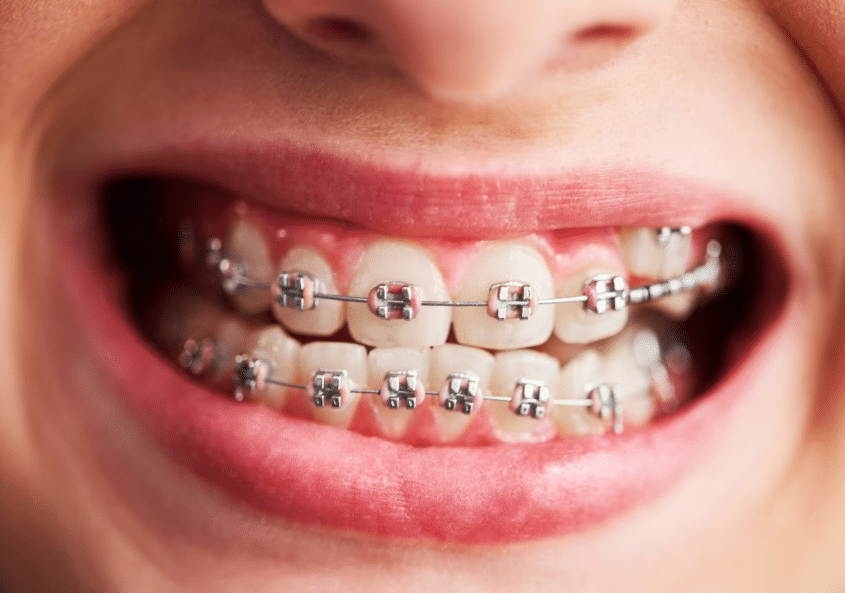
Metal braces use high-grade stainless steel brackets bonded to each tooth, connected by metal archwires that apply controlled pressure to move teeth into alignment. Modern versions feature smaller, more comfortable brackets than earlier generations, though the underlying mechanics haven’t changed.
Key components:
- Stainless steel brackets attached to tooth surfaces
- Metal archwires threaded through bracket slots
- Elastic ligatures (coloured or silver) securing wires to brackets
- Optional accessories like springs, hooks, or rubber bands
Metal traditional braces remain the most widely used orthodontic treatment worldwide, trusted for reliability across all case complexities. Full details are on our metal braces page.
How Ceramic Braces Work
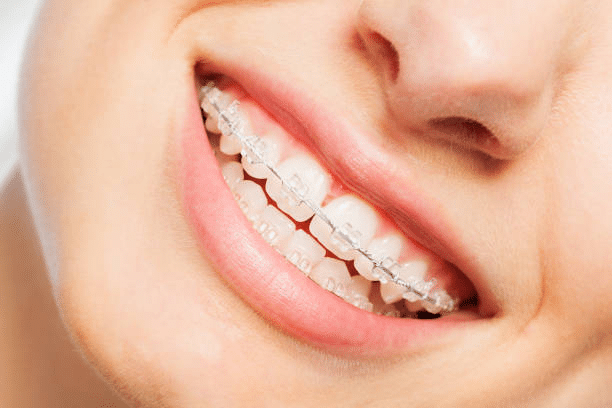
Ceramic braces work identically to metal systems but use tooth-coloured or clear polycrystalline alumina brackets instead of steel. They blend with natural tooth colour, offering a more discreet option while keeping the mechanical effectiveness of a fixed appliance.
Key components:
- Tooth-coloured ceramic or clear brackets
- Metal or tooth-coloured archwires
- Clear or tooth-coloured elastic ligatures
- Same auxiliary components as metal systems
See our ceramic braces page for a full breakdown of what treatment involves.
Metal Braces vs Ceramic Braces: Full Comparison
| Factor | Metal Braces | Ceramic Braces |
| Aesthetics | Visible silver/grey brackets; option to personalise with coloured elastics | Tooth-coloured, far less noticeable at conversational distance |
| Cost (2026, SGD) | From SGD 4,000 | From SGD 5,500 |
| Treatment duration | 18-30 months, depending on case complexity | 18-30 months, depending on case complexity |
| Discomfort | Comparable; temporary soreness after adjustments | Comparable; brackets sit slightly larger, similar adjustment period |
| Maintenance | Standard brushing and flossing, no staining concerns | Same brushing routine, plus attention to ligature staining from coffee, tea, curry, or red wine |
| Durability | Withstands high force well; rarely fractures | More brittle than steel; higher chip risk under impact |
| Best for | Complex cases, contact sports, budget-conscious families, younger children | Moderate cases, image-conscious adults and teens, special-occasion timing |
Case complexity, not bracket material, is still the biggest driver of your total treatment time.
Cost in Singapore (2026)
Ceramic braces typically cost more than metal braces due to higher material and manufacturing costs, greater breakage risk, and the aesthetic premium for discretion. Metal braces cost less thanks to established supply chains and lower replacement needs.
| Treatment | Indicative Range (SGD) |
| Metal Braces | From SGD 4,000 |
| Ceramic Braces | From SGD 5,500 |
These are general guides; your exact quote depends on case complexity and is confirmed at your clinical assessment. When weighing cost, consider total treatment value, not just the base price. If you’re comparing further, our Damon braces page covers a third option worth knowing about.
Who Should Choose Metal Braces?
Metal teeth braces suit patients who:
- Prioritise durability, active lifestyles, contact sports, or habits that increase breakage risk
- Have complex cases with severe crowding or significant bite issues
- Prefer cost efficiency without compromising results
- Aren’t concerned about visibility
- Are young children, where durability matters more than discretion
Who Should Choose Ceramic Braces?
Ceramic braces suit patients who:
- Prioritise aesthetics, particularly professionals or image-conscious teens
- Have moderate cases without extreme complexity
- Can maintain disciplined hygiene to prevent staining
- Accept a higher investment for discretion
- Want a lower-visibility option during a specific life event, such as a wedding or job search
How to Decide Between Metal and Ceramic Braces
Working through metal braces versus ceramic braces doesn’t need to be complicated if you follow a simple framework.
- Assess your priorities — rank what matters most: aesthetics, cost, durability, or treatment speed.
- Evaluate your case — consult an orthodontist to confirm both options suit your specific bite and crowding pattern.
- Consider practical factors — check your budget, your ability to maintain hygiene and dietary requirements, and any risk factors like sports or habits that increase breakage.
- Make an informed choice — balance clinical recommendations with your personal priorities, and trust your orthodontist’s guidance on suitability.
Questions worth asking your orthodontist:
- Which option do you recommend for my specific case?
- How might my lifestyle affect bracket choice?
- What are the cost differences for my treatment plan?
- What happens if ceramic brackets break during treatment?
Frequently Asked Questions
Yes. Both systems achieve comparable clinical outcomes. Bracket material doesn’t affect final alignment quality or bite correction success when treatment is properly managed.
When it comes to ceramic braces vs metal, case complexity, not bracket material, is still the biggest driver of your total treatment time.
Switching is technically possible but rarely recommended. Discuss any concerns with your orthodontist before starting treatment so you make the right initial choice.
Modern ceramic brackets resist staining, but elastic ligatures can discolour. Regular ligature changes, typically every 4-6 weeks, keep the aesthetic intact throughout treatment.
Discomfort levels are comparable between the two. Both cause temporary soreness after adjustments, managed with over-the-counter pain relief and soft foods for a day or two.
Metal braces start from around SGD 4,000, while ceramic braces start from around SGD 5,500. Exact pricing depends on case complexity and is confirmed after a clinical assessment.
Metal braces are generally more durable and less prone to chipping or fracturing under pressure. Ceramic brackets have improved significantly but remain more brittle than steel.
Metal braces are often recommended for younger children due to durability, since kids may be less careful with appliances. Adults and image-conscious teens more often lean toward ceramic for its discretion.
Start Your Orthodontic Journey with Confidence
The metal braces vs ceramic braces decision becomes clearer with professional guidance tailored to your specific case. Alfred Cheng Orthodontic Clinic offers consultations to help Singapore patients choose between metal and ceramic braces based on case complexity, lifestyle priorities, and budget.
Dr Cheng evaluates your orthodontic needs, explains both options in detail, and provides transparent recommendations without pressure. Book a consultation to understand your personalised treatment options.
Explore Our Other Services:
- Clear Aligners
- Lingual Braces (Hidden Braces)
- Jaw Surgery (Orthognathic Surgery)
- Bite Correction Surgery
- Children’s Orthodontics
- Adult Orthodontics
- Interceptive Orthodontics
📍 Alfred Cheng Orthodontic Clinic
Mount Elizabeth Medical Centre
3 Mount Elizabeth #03-03
Singapore 228510
🌐 Visit: https://orthodontics.com.sg/