
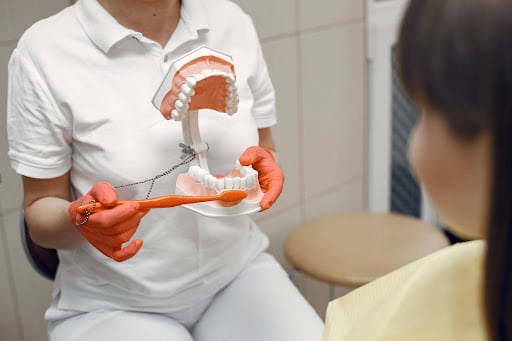
Choosing an orthodontist in Singapore means checking specialist registration, treatment approach, and how well they communicate with parents and children. Early evaluation, generally recommended from age 7, catches crowding, bite problems, and jaw growth issues before they need complex treatment later. A first consultation typically runs 15 to 30 minutes and costs around $80 before GST, giving parents a clear picture of next steps.
You’re probably here because a dentist, teacher, or relative flagged your child’s crowding, overbite, or uneven smile, and you want to know who to trust to fix it. Many parents search for dentists for braces, but the specialist you actually want is an orthodontist.
Key Takeaways
- An orthodontist is a dental specialist with additional postgraduate training focused solely on teeth alignment and jaw correction, not a general dentist who also does braces.
- Most children benefit from an orthodontist check around age 7, even if they don’t need treatment for years afterwards.
- A first consultation with an orthodontist in Singapore usually takes 15 to 30 minutes and costs around $80 before GST.
- Early evaluation doesn’t mean early braces. Often it means monitoring by an orthodontist, or simple interceptive treatment that avoids bigger problems later.
- Check an orthodontist’s specialist registration with the Singapore Dental Council before booking, the same way you’d check any medical credential.
What Does an Orthodontist Actually Do?
An orthodontist is a dental specialist trained to diagnose and correct crooked teeth, uneven bites, and jaw alignment problems. This covers braces, clear aligners, retainers, and, in more complex cases, an orthodontist coordinating jaw surgery with an oral surgeon. Parents often search for “dentists for braces” when starting out, but an orthodontist is the specialist trained specifically for this, rather than a general dentist offering braces as a side service.
The work an orthodontist does goes beyond straightening teeth for appearance. Misaligned bites can affect chewing, speech, and how easily your child can clean their teeth, which raises the risk of decay and gum problems down the line. An orthodontist Singapore parents choose should be assessing all of this, not just how the smile looks in photos.
Why Jaw Growth Is Part of the Job
Children’s jaws are still growing, which is exactly why an orthodontist wants to see them young. Guiding that growth while it’s still happening, sometimes called interceptive orthodontics, can reduce the need for extractions, surgery, or lengthy treatment later. This is different from adult orthodontics, where the jawbone has stopped developing, and an orthodontist’s options are more limited to working with the space already there.
Key insight: Interceptive orthodontics works with a child’s natural jaw growth, which is why timing matters more for kids than it does for adults starting treatment with an orthodontist later in life.
If you want a deeper look at exactly what a specialist orthodontist can fix, from crowding to speech-affecting bites, this breakdown of how an orthodontist helps with teeth problems covers it well.
Orthodontist vs Dentist: Why the Difference Matters for Your Child
Many parents assume any dentist can fit braces, and a search for “dentists for braces” will often turn up general dental clinics alongside specialist orthodontists. Technically, some general dentists do offer basic orthodontic treatment. But there’s a real difference in training between a general dentist and an orthodontist, and for a growing child’s bite and jaw, that difference matters.
General dentists complete broad training covering fillings, cleanings, and general oral health. An orthodontist goes further: after dental school, they complete an additional 3-year full-time specialist training programme focused entirely on braces, bite correction, and jaw development, followed by an accreditation exam before they’re recognised as an orthodontist specialist.
Factor | General Dentist | Registered Orthodontist |
Training focus | Broad general dentistry | 3 years additional specialist training in orthodontics only |
Registration | Dentist on the general register | Listed as a specialist orthodontist with the Singapore Dental Council |
Best suited for | Simple, minor tooth movement | Crowding, bite correction, jaw growth guidance, complex cases |
Diagnostic tools | Basic dental x-rays | Digital imaging, 3D scanning, growth assessment |
Ideal for children needing early monitoring | Limited | Trained specifically for developmental changes |
You can check whether a provider is a registered specialist orthodontist directly on the Singapore Dental Council’s public register, which lists qualifications such as MDS (Orthodontics) after a specialist’s name.
When Should Your Child First See an Orthodontist?
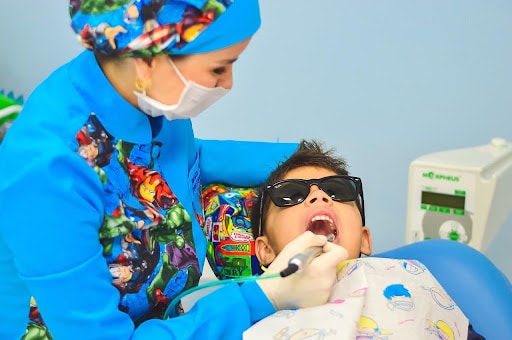
The general guidance is around age 7, once the first adult molars and incisors have come through. This surprises a lot of parents, who assume orthodontic visits only start once all baby teeth are gone.
At age 7, an orthodontist can already spot problems with jaw growth, crowding, or bite alignment while there’s still room to guide things gently. It doesn’t mean your child will need braces at 7. Most children won’t. It means the orthodontist has a baseline and can monitor changes as more adult teeth come through.
Why Waiting Until the Teen Years Can Cost More Time
If bite problems aren’t caught early by an orthodontist, they sometimes need more involved treatment once all permanent teeth are in and jaw growth has mostly finished. This can mean longer treatment, and in some cases, discussion of extractions or jaw surgery that earlier orthodontic guidance might have avoided. For a fuller explanation of the exact signs specialists look for at each age, this guide on when a child should first see an orthodontist in Singapore is worth reading before your first appointment.
Teen Orthodontics: The Second Common Entry Point
Plenty of children pass their age-7 check with no concerns, then need braces from an orthodontist once all their permanent teeth erupt, usually somewhere between ages 10 and 13. This is the more familiar image parents have of orthodontics: full braces for teenagers, and it’s often at this stage that parents go looking for dentists for braces or a specialist orthodontist to start treatment. Treatment here focuses less on growth guidance and more on straightening and bite correction directly.
Signs Your Child May Need Early Orthodontic Care
You don’t need to diagnose anything yourself, but knowing what to watch for helps you decide whether to book an orthodontist sooner rather than later.
- Baby teeth falling out very early or very late compared to siblings
- Difficulty biting or chewing food comfortably
- Mouth breathing or snoring, which can sometimes link to jaw or airway development
- Teeth that look crowded, overlapping, or with unusual gaps
- Jaws that seem to shift or click when your child opens or closes their mouth
- Thumb-sucking or dummy use continuing past age 4 to 5
- Speech sounds that seem affected by tooth position
None of these confirm a problem on their own. They’re reasons to get a professional opinion from an orthodontist rather than reasons to panic.
How to Choose the Best Orthodontist in Singapore
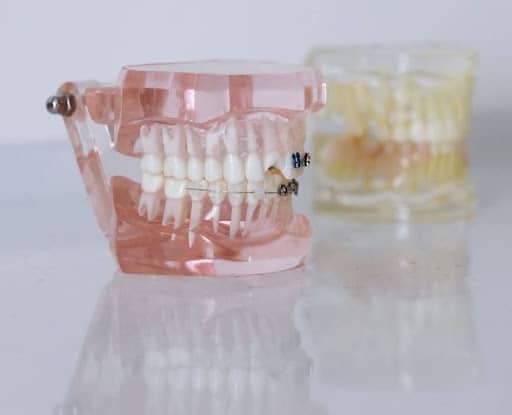
This is usually where parents get stuck. Searching “orthodontic near me” or “dentists for braces” brings up dozens of clinics, and most orthodontist websites sound similar. Here’s what actually separates a good orthodontist from an average one.
- Specialist registration. Confirm the orthodontist is listed on the Singapore Dental Council specialist register, not just a general dentist offering braces as one of many services.
- Clear explanations, not jargon. A good orthodontist should explain findings in plain language and show you scans or images, not just tell you “treatment is needed.”
- Technology used for diagnosis. Digital imaging and 3D scanning give a more precise picture than visual checks alone, which matters when an orthodontist is planning treatment around jaw growth.
- Experience with children specifically. Treating a nervous 8-year-old is different from treating an adult. Ask how the orthodontist’s clinic manages first-time young patients.
- Transparent costs and timelines. You should leave the first visit knowing roughly what’s next, what it involves, and how long monitoring or treatment with an orthodontist might take.
- Location and appointment efficiency. For ongoing treatment, you’ll be visiting an orthodontist every few weeks to monthly, so a clinic with minimal wait times and efficient scheduling saves real time over a year or two.
Comparing What Different Clinics Prioritise
Decision Factor | What to Ask | Why It Matters for Your Child |
Specialist credentials | “Are you a registered specialist orthodontist?” | Confirms the extra 3-year training beyond general dentistry |
First-visit approach | “What does the first consultation include?” | Tells you if it’s a proper assessment or a rushed sales pitch |
Growth monitoring | “Will you monitor jaw growth if treatment isn’t needed yet?” | Shows commitment to interceptive care, not just selling braces |
Communication style | “Can you explain findings to my child, not just me?” | Reduces anxiety and builds cooperation during treatment |
Appointment scheduling | “How often will we need to come in?” | Affects how manageable treatment with an orthodontist is around school and work |
If your child is already past the early-monitoring stage and heading towards actual treatment, this 2026 guide to choosing the best orthodontist for braces walks through treatment-stage decisions in more depth.
What Happens at the First Consultation
A first visit to an orthodontist Singapore clinic offers is usually straightforward and shorter than people expect. It typically lasts 15 to 30 minutes and costs around $80 before GST, it isn’t a complimentary check-up, so it’s worth knowing that upfront.
During this time, the orthodontist will usually:
- Examine your child’s teeth, bite, and jaw alignment
- Take digital scans or images if needed
- Discuss any concerns you or your child have noticed
- Explain whether treatment is needed now, later, or not at all
- Outline next steps, whether that’s monitoring visits or a treatment plan
Nothing about this first visit commits you to treatment. It’s an assessment, and a good orthodontist treats it that way rather than pushing straight into a sales conversation.
Addressing Common Parent Worries
"Is my child too young for this?"
No. Age 7 is the recommended starting point for seeing an orthodontist precisely because it’s early. The visit at this age is about assessment and monitoring, not fitting braces immediately. Most 7-year-olds seen by an orthodontist won’t start any active treatment for years, if at all.
"What if treatment costs more than we can manage?"
This is a fair concern, and a transparent orthodontist will walk through costs clearly during the consultation rather than leaving you guessing. Ask directly about payment arrangements if cost is a worry. Orthodontist clinics that value long-term patient relationships are generally upfront about this rather than vague.
"Will this hurt my child, or make them self-conscious at school?"
Discomfort with braces, when treatment does start, is usually mild and settles within a few days after adjustments. On the self-consciousness side, many children find having a visible plan to fix something they’re already aware of, like crowding or a gap, more reassuring than ignoring it. Discreet options exist too, which is worth discussing with your orthodontist if this is a concern for an older child or teenager.
Key insight: A consultation with an orthodontist is a diagnostic step, not a commitment. Most parents leave the first visit simply knowing whether to monitor or act, which is often more reassuring than the uncertainty of not knowing at all.
Treatment Options Once Your Child Is Ready
If your child does need treatment, options vary by age, bite complexity, and lifestyle, and an orthodontist will help you weigh them. This is often the point where parents comparing dentists for braces narrow their search down to a specific orthodontist and treatment plan.
Treatment Type | Best Suited For | Visibility | Typical Consideration |
Metal braces | Most cases, including complex crowding | Visible | Reliable, often most cost-effective option |
Ceramic braces | Teens wanting a less visible option | Subtle | Tooth-coloured brackets, slightly more delicate |
Clear aligners | Cooperative teens with mild to moderate cases | Nearly invisible | Removable, requires discipline to wear consistently |
Interceptive appliances | Younger children with jaw growth concerns | Varies | Used before permanent teeth fully erupt |
Jaw surgery (orthognathic) | Severe jaw discrepancies, usually post-growth | Not applicable | Planned jointly by the orthodontist with an oral surgeon |
For families weighing aligners against traditional braces for a teenager, this comparison of clear aligners and finding the right orthodontist in Singapore breaks down which situations suit which option.
Braces typically involve monthly check-ins with the orthodontist to adjust wires and monitor progress, so factor that ongoing commitment into your decision alongside the treatment type itself.
Frequently Asked Questions
Around age 7 is the commonly recommended starting point, once the first permanent molars and incisors have come in. This allows the orthodontist to catch developing bite or jaw issues early, even if active treatment isn’t needed for several more years.
Not typically. A first consultation with an orthodontist is usually a paid assessment, generally around $80 before GST, and takes about 15 to 30 minutes. It’s not usually offered as a complimentary check, so it’s worth budgeting for this as a distinct step from ongoing treatment costs.
An orthodontist has completed an additional 3-year specialist training programme after dental school, focused entirely on teeth alignment and jaw correction, plus an accreditation exam. A general dentist may offer some orthodontic services but hasn’t gone through this specialist pathway, which matters more for complex bite or jaw cases in children. This is why parents searching for “dentists for braces” are usually better served booking directly with a registered orthodontist.
Not necessarily. Many children are monitored by an orthodontist for a few years before any treatment starts. Early evaluation is about tracking how the jaw and teeth develop, so the orthodontist can step in with simpler treatment if and when it’s actually needed.
This varies by case complexity, age, and treatment type, so it’s best discussed directly with your orthodontist during the consultation once your child’s specific bite and alignment have been assessed. The orthodontist should give you a realistic timeframe rather than a generic estimate before treatment begins.
Booking That First Check-Up
If your child is around age 7, or you’ve already noticed crowding, an uneven bite, or a jaw that doesn’t quite meet properly, the next step is simple: book an assessment with an orthodontist rather than wait and see. A short, paid consultation gives you clarity, whether that means monitoring for now or starting simple interceptive care while there’s still room to guide growth.
📍 Alfred Cheng Orthodontic Clinic
Mount Elizabeth Medical Centre
3 Mount Elizabeth #03-03
Singapore 228510
🌐 Visit: https://orthodontics.com.sg/
Contact Us: orthodontics.com.sg/contact/